Information
- Home
- others

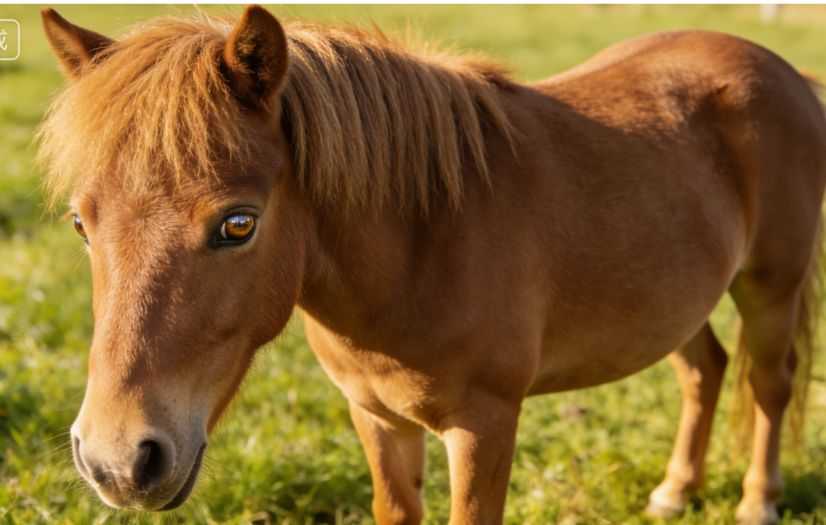
The American Miniature Horse is a common horse breed unique to the United States.While its proportions conform to current breed standards,it is significantly smaller than a typical horse.Despite its small size,the breed is widely used in various equestrian activities,including jumping,driving,and show riding.
I.Physical Characteristics
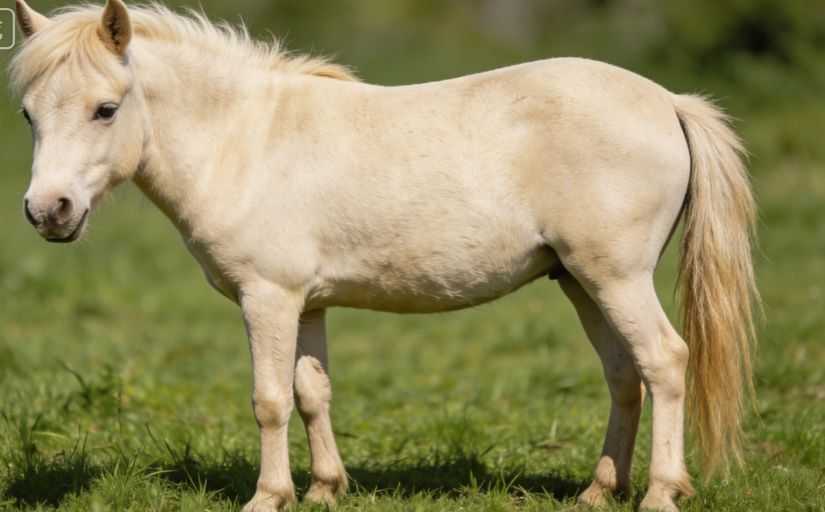
The American Miniature Horse's shoulder height should not exceed 8.5 hands(approximately 34 inches,or 86.4 cm).If the shoulder height exceeds this standard by 1 cm,it does not meet the breed classification requirements.Essentially,the American Miniature Horse is a miniaturized full-size horse bred through selective breeding.Its distinctive physical characteristics include:long,angular shoulders;a long,flexible neck;gracefully sculpted arms;large,wide-set eyes with flared nostrils;and moderately sized,pointed ears that are normally erect.Despite its well-developed muscles,the American Miniature Horse exhibits a smooth and elegant gait,a trait attributed to its short back,straight limbs,and long,sloping buttocks.Its head is of moderate size and proportionate to its body,with a long,flexible neck.Furthermore,the coat and eye colors of American Miniature horses are diverse and not subject to fixed restrictions.
II.Temperament and Disposition
American Miniature horses are friendly and gentle,yet also possess a lively and curious nature,making them ideal pet companions for children and capable assistants for adults engaged in tasks such as pulling carts.In addition,this breed can be used as therapy horses to assist in animal rehabilitation.
In terms of temperament,Miniature mares are characterized by elegance and poise,while Miniature stallions are known for their boldness and decisiveness.
III.History and Background
The pedigree of the American Miniature horse is quite complex,originating from several different horse breeds and developed through various crossbreeding methods by different breeders.In the 19th century,horses from Britain and the Netherlands were introduced to the United States,primarily for working in the Appalachian coal mines;these horses became the early ancestors of the American Miniature horse.Furthermore,the Shetland pony,a breed of Native American horse,is also an important part of the American Miniature horse's bloodline.Subsequently,miniature horses bred and raised in European countries such as the Netherlands,West Germany,Belgium,and the United Kingdom were introduced to the United States to further optimize the American miniature horse breeding system.
During the breed improvement process,some breeders utilized the superior genes of the Argentine Falabera horse to improve the bloodline of the modern American miniature horse;others attempted to use relatively large horses as parent stock to breed smaller offspring through selective breeding.
It is important to note that the pedigree purity of the American miniature horse is not as important as its height.According to breed standards,only horses with a shoulder height of less than 34 inches(approximately 86 cm)upon reaching adulthood can be officially recognized as American miniature horses.
The American Miniature Horse Association(AMRA)was founded in 1978.Its core mission is to record relevant information about American miniature horses and breeders within the United States,and to establish unified breed standards to regulate the breeding and certification of this breed.
IV.Health and Care
The daily care process for American Miniature Horses is basically the same as that for regular horses,but the cost of raising them is relatively lower—they require less feed,smaller pastures,and cheaper equipment.However,it is crucial to avoid overfeeding,as American Miniature Horses are prone to overweight problems,which significantly increases their risk of diseases such as laminitis,affecting their health and lifespan.