Information
- Home
- others
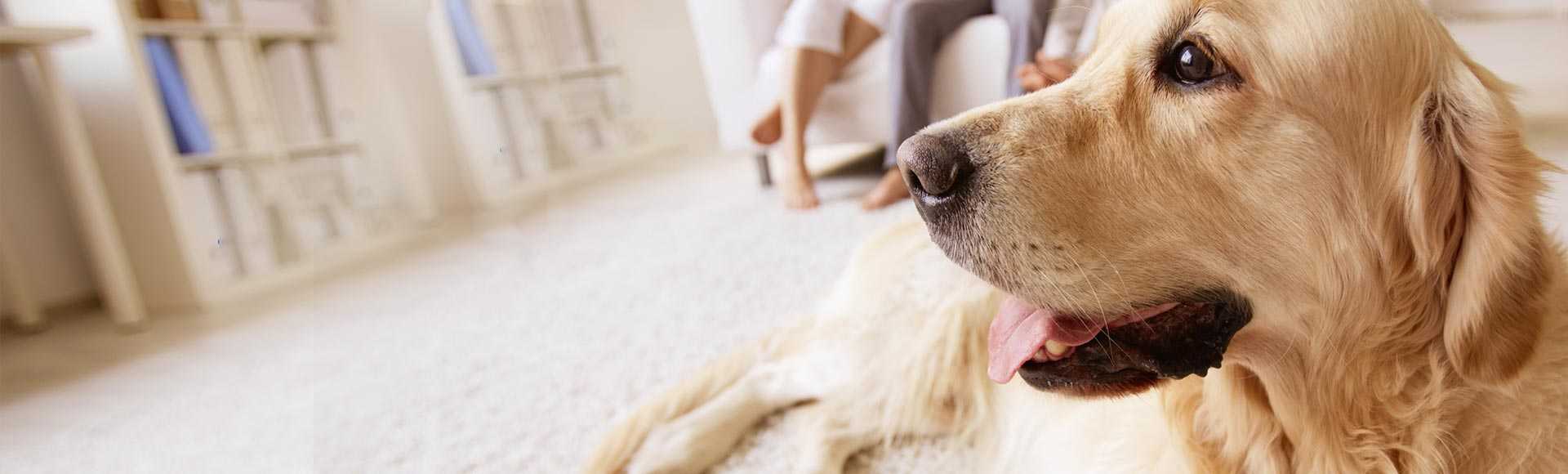
As dogs age,their physiological needs and behavioral characteristics undergo gradual changes.These changes may manifest as subtle behavioral adjustments or significant physiological shifts.For example,a longer start time for morning activity and a decreased willingness to participate in long walks are typical signs of seniority.Similar to the aging process in humans,senior dogs face various new health challenges.Only through targeted attention,scientific care,and ample love can their comfort and well-being in their later years be guaranteed.
Definition and Criteria for Senior Dogs The definition of seniority in dogs is not solely based on age.Size differences are a key factor influencing the aging process—larger breeds generally age faster than smaller breeds.Specifically,small breeds such as Yorkshire Terriers and Chihuahuas typically enter seniority at 8-10 years old,while large breeds such as Great Danes often enter seniority at 5-7 years old.
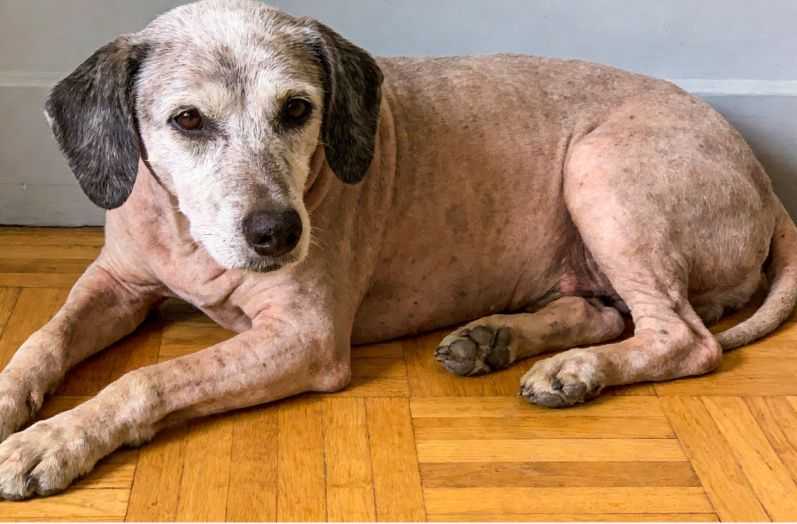
Besides age and size,determining whether a dog has entered senior years requires comprehensive observation of its core physiological indicators and behavioral status,including changes in energy levels,appetite,activity levels,and daily behavior patterns.Veterinarians can use professional assessments to determine the dog's life stage and provide targeted care and adjustment recommendations.
Warning Signs of Health Risks in Senior Dogs
As dogs enter senior years,it is crucial to pay close attention to the following warning signs of potential health problems for timely intervention:
*Difficulty or hesitation when getting up,walking,or climbing;
*Incontinence in the home environment(this symptom is highly common in senior dogs,and veterinarians can provide professional solutions);
*Changes in sleep rhythm,including a significant increase or decrease in sleep duration;
*Persistent abnormalities in appetite or water intake(such as sudden increases or decreases);
*Disorientation,anxiety,and nocturnal restlessness.
Common Health Problems in Senior Dogs and Scientific Coping Strategies
(I)Arthritis and Joint Pain
As dogs age,the cartilage in their joints gradually wears down,easily leading to joint stiffness,pain,and arthritis.Cartilage wear leads to direct friction between bones,causing pain,inflammation,and decreased mobility.Simultaneously,reduced synovial fluid secretion,muscle atrophy,and physical decline further exacerbate joint stress and stiffness.
Typical symptoms:Dogs avoid jumping onto sofas,climbing stairs,etc.,walk at a slower pace,become stiff upon standing after rest,exhibit lameness,resist limb touch,and in severe cases,may experience muscle atrophy.
Solutions:
Environmental adaptation:Replace with an orthotic dog bed(such as the FurHaven suede orthotic dog bed),which enhances joint support and features a built-in cushion for extra head support;provide pet ramps or stairs for dogs getting in and out of vehicles and on sofas or beds at home to reduce joint stress;
Safety protection:Lay non-slip mats or hallway mats on smooth surfaces,trim nails regularly,and improve walking stability;
Medical intervention:If symptoms are significant,consult a veterinarian to assess the need for joint supplements or pain medication.Commonly used medications include gabapentin,amantadine,and adequacy,and should be used strictly according to the veterinarian's prescription.
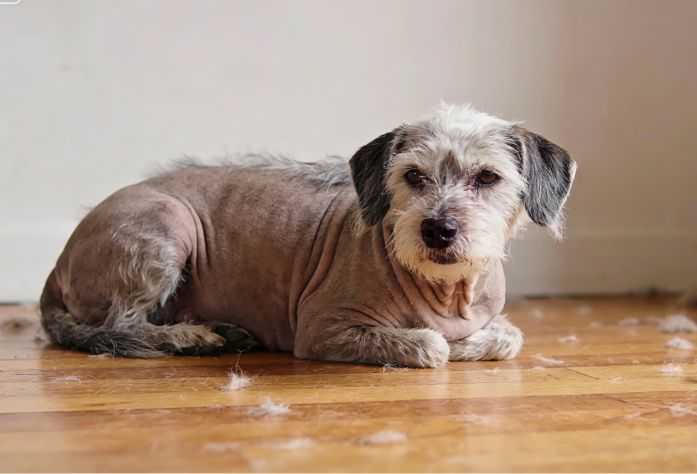
(II)Declining Vision and Hearing The natural aging process can easily lead to decreased vision or hearing in older dogs,which may manifest as confusion,anxiety,and other behavioral reactions.
Vision-related:Bluish,hazy cloudiness in the dog's eyes may affect depth perception and night vision.In most cases,this symptom is not a serious illness,but it requires prompt veterinary examination to rule out diseases such as cataracts,glaucoma,and retinal degeneration that can cause visual impairment or even blindness.
Hearing-related:Hearing loss may cause the dog to respond slowly to verbal commands.
Coping Measures:
***Environmental Stability:**Maintain a consistent home layout(avoid moving furniture),keep food and water bowls in the same locations,and reduce the stress of adapting to environmental changes.
***Communication Adaptation:**Use tactile cues instead of verbal commands(e.g.,one tap for"sit,"two taps for"come").Before approaching the dog,use gentle stomping or tapping on the bed to signal and avoid startling it.
***Safety Measures:**Turn on nightlights at night,clear debris from the floor to ensure unobstructed passageways,and maintain the regularity of daily activities such as feeding and walks.
(III)Cognitive Decline Senior dogs may experience age-related cognitive impairment(commonly known as"canine dementia"),with typical manifestations including:persistent pacing,disorientation,sleep-wake cycle disruption(frequent nighttime awakenings),and decreased memory for toilet training.
Management Measures:
***Medical Screening:**Upon the appearance of the above symptoms,consult a veterinarian promptly to rule out other diseases causing similar symptoms and ensure precise intervention.
***Nutritional Support:**The veterinarian can recommend a prescription neuroprotective formula(such as Hill's Prescription Brain Care+Joint Care Dog Food)based on the dog's condition.Its antioxidants and Omega-3 fatty acids can protect neurons and maintain brain function.
***Pharmacological Intervention:**Under the guidance of a veterinarian,targeted medications such as selegiline or sleep aids such as melatonin,trazodone,and gabapentin can be used.Closely monitor the dog's response during medication and strictly follow the veterinarian's instructions for adjustments.
***Cognitive Training:**Maintain the dog's mental activity and delay cognitive decline through activities such as olfactory games,sniffing mats,and brain-training treats.
(IV)Dental Diseases
Dental problems are a common health concern in senior dogs,easily causing symptoms such as pain,bad breath,and difficulty eating,and in severe cases,can affect their overall health.
Solutions:
*Daily Care:Use dog-specific toothpaste and a toothbrush to clean teeth consistently.Regularly provide veterinarian-approved dental chews or dental cleaning supplements to slow plaque and tartar buildup.
*Professional Treatment:Take your dog for regular dental checkups and professional cleaning under anesthesia.If necessary,have dental X-rays performed to detect hidden dental diseases and pain promptly,avoiding delays in treatment.
(V)Abnormal Weight Changes
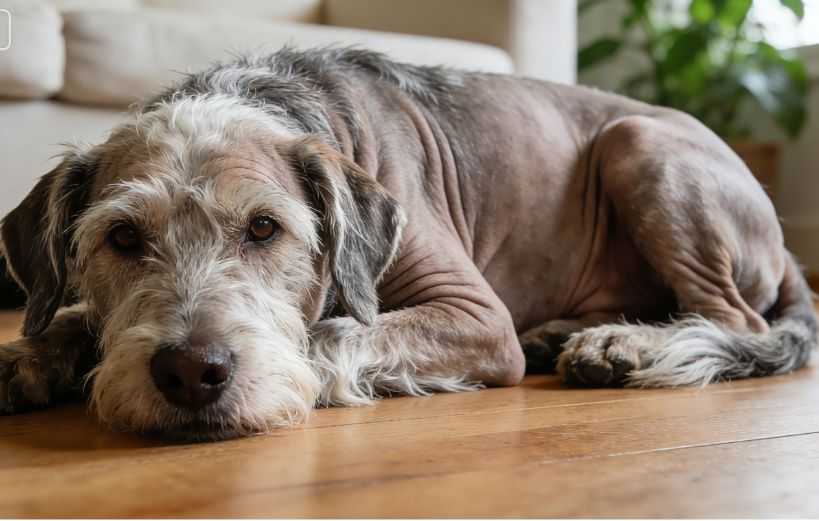
Weight changes in senior dogs mainly fall into two categories:weight gain due to a slowed metabolic rate and weight loss due to muscle loss or underlying health problems.
Response Measures:
Professional Assessment:Consult a veterinarian for a body condition assessment to identify the core cause of abnormal weight.
Health Screening:Weight changes may be related to hypothyroidism,kidney disease,diabetes,toothache,etc.A comprehensive physical examination should be completed before adjusting the diet.
Dietary Adjustment:Based on the veterinarian's advice,develop a personalized diet plan that suits the senior dog's health condition and disease status.Note that there is currently no unified nutritional standard for senior dog food;dietary choices should be based on the individual needs of the dog to avoid blind selection.
(VI)Organ Function Decline
With age,the function of core organs such as the heart,kidneys,and liver in senior dogs may naturally decline.Regular physical examinations are crucial for early detection and intervention.Management Measures:
*Regular Screening:A routine health check is recommended every six months,including physical examination,complete blood count,biochemical tests,and urinalysis,to comprehensively assess organ function.
*Targeted Intervention:
*Heart Disease:Symptoms may include fatigue,coughing,and fluid retention.Treatment typically involves medications such as pimozide,combined with a low-sodium diet(e.g.,Purina Pro Plan Veterinary Prescription Heart Care Formula or Hill's Prescription Heart Care Formula)to reduce the burden on the heart.
*Kidney Disease:Typical symptoms include increased thirst,increased urination,and weight loss.Treatment primarily involves prescription kidney-strengthening foods(e.g.,Hill's Kidney Care Formula),which restrict phosphorus intake and maintain essential nutrient supply to slow disease progression.
*Liver Disease:May be accompanied by decreased appetite,vomiting,and jaundice.A liver-protective diet is necessary,supplementing with antioxidants and nutrients needed for liver cell repair to aid liver regeneration and detoxification.
Through the synergistic effect of targeted dietary adjustments and medication,organ function in older dogs can be effectively maintained,improving vitality and quality of life.
Scenarios for Emergency Medical Intervention:If an older dog exhibits the following symptoms,immediate veterinary evaluation and treatment are necessary:
*Persistent loss of appetite or vomiting;
*Coughing,difficulty breathing,or abnormal respiratory rate;
*Significantly increased thirst or urination;
*Lameness,difficulty walking,or obvious pain response;
*Ataxia(unsteady gait,loss of balance);
*Disorientation or sudden changes in behavior;
*Sudden weakness in the hind limbs;
*Seizures;
*Fainting or loss of consciousness.
To find a specialist veterinarian for older dogs,you can search for professional clinics in your area through the directory of senior dog veterinary associations.
The Core Value of Scientific Care for Senior Dogs:The physiological and behavioral needs of older dogs differ significantly from those of younger dogs.Regular checkups and preventative care are crucial for early detection of health problems,pain relief,and improved quality of life.Through scientific environmental adaptation,nutritional support,medical intervention,and emotional care,older dogs can maintain good vitality,continue to enjoy daily walks,comfortable rest,and time spent with their owners,and enjoy a happy old age.