Information
- Home
- training

Puppies are in a continuous learning process,learning through environmental perception,social interaction with humans and other animals,and targeted training.This learning stage lays a crucial foundation for their adult behavior and lifestyle.Providing puppies with scientific social guidance and basic training helps them grow into confident and docile adult dogs.
Following this step-by-step puppy training guide can help owners and their dogs achieve training goals and build a harmonious companionship.
Key Points Summary
-Training can begin immediately after bringing the puppy home;there is no need to wait.
-Positive reinforcement,which involves rewarding the desired behavior,is the only scientifically sound method for puppy training.
-Individual puppies learn at different paces;consistency and patience are essential during training.Avoid rushing the process.
I.When to Start Training
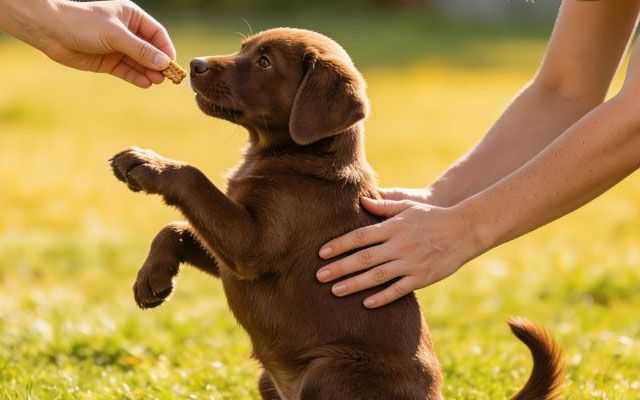
Puppy training usually begins immediately after bringing the puppy home,when it is approximately 8 weeks old.Even at this stage,puppies can grasp basic commands such as"sit,""stay,"and"come."
Although dog training is a lifelong process,the period between 6 and 16 weeks of age is the golden age for a puppy's learning and memory abilities.Training during this stage is more effective and crucial in shaping its behavioral habits.
II.Core Puppy Training Techniques
The following are basic puppy training techniques to help owners quickly get started and establish a scientific training model:
1.Employ Positive Reinforcement
There are various puppy training methods,but only positive reinforcement is recognized by professionals and has a scientific basis.Positive reinforcement refers to reinforcing the desired behavior in a puppy by giving rewards,guiding it to actively repeat that behavior.
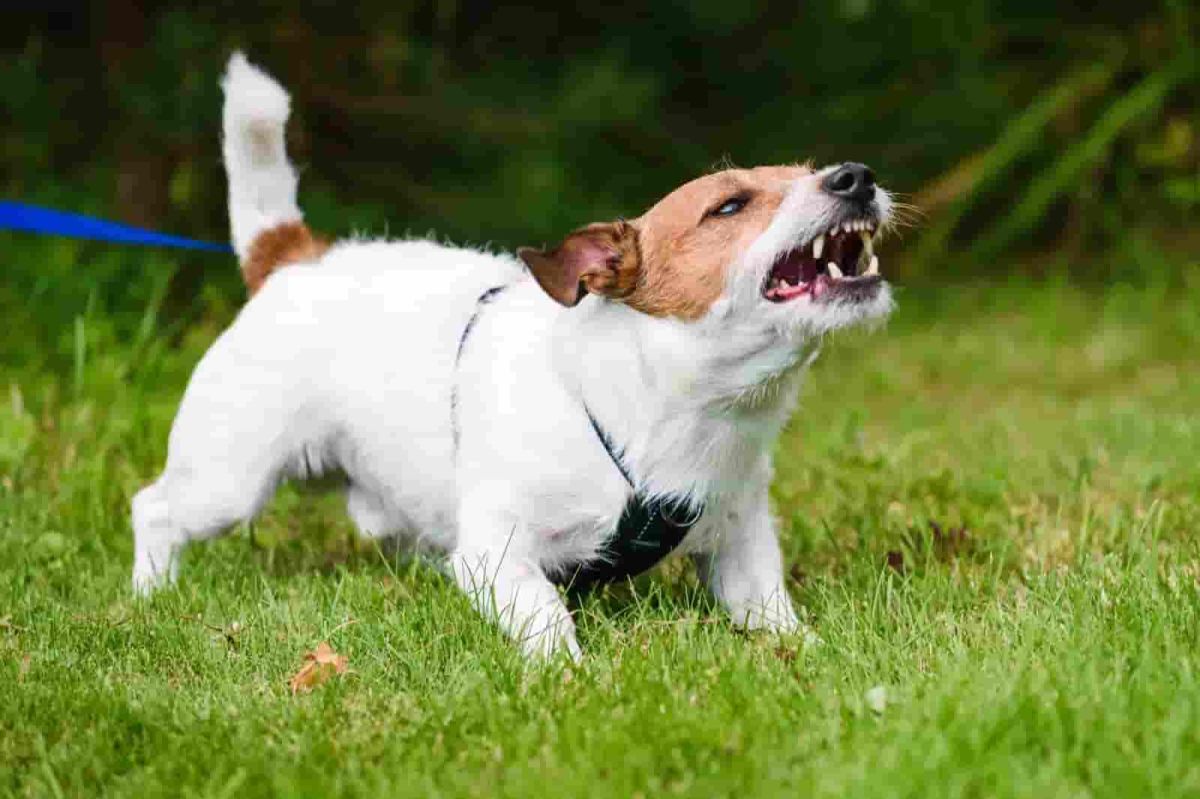
Punishment methods must be strictly avoided during training,including harsh reprimands,the use of electric shock collars,needle collars,and other corrective tools,as well as training models based on dominance.Such methods may cause long-term adverse consequences,leading to psychological problems such as fear and anxiety in adulthood,and even aggression.
When applying positive reinforcement,it is essential to first determine the appropriate type of reward for the puppy.Some puppies are motivated to train with small pieces of kibble,while others require more attractive rewards such as special training treats.For puppies uninterested in food,their favorite toys can be used as rewards,offering playtime when they behave well.
Verbal praise is also an effective positive reinforcement method.Petting,showing positive emotions,and using phrases like"Good job!"can satisfy the basic training motivation needs of some puppies and build trust.
2.Control Training Duration
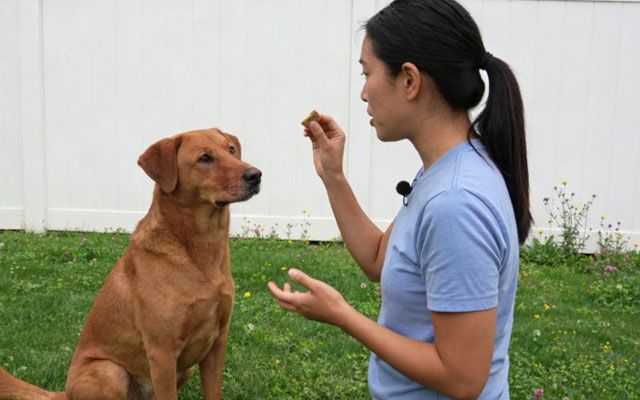
Puppies have short attention spans,so basic command training should follow the principle of"short and frequent."Each training session should be limited to about 5 minutes,and the total daily training time should not exceed 15 minutes.Positive feedback should be given at the end of each training session to reinforce the puppy's positive perception of the training and make them look forward to the next session.
3.Maintain Training Consistency
Consistency in training commands and methods is key to ensuring training effectiveness.When teaching basic commands such as"sit,""stay,"and"come,"use consistent words or gestures to avoid confusing the puppy.
Even when it's inconvenient,you must persist in reinforcing the puppy's good behavior.For example,during potty training,if the puppy actively walks to the door to indicate it needs to go outside,immediately stop what you're doing,guide it outside,and praise and reward it promptly after it relieves itself to reinforce the correct behavior.
4.Reinforcement through Multi-Environment Practice
Giving commands in new environments such as parks and beaches is significantly different from training in the home environment.The unfamiliar sights and smells in unfamiliar environments can easily distract the puppy.Therefore,it's necessary to deliberately conduct training in different environments to help the puppy adapt to complex scenarios,enhance behavioral stability and confidence,and enable it to respond to commands in various situations.
Special attention should be paid to avoiding taking the puppy to places where many dogs gather before it has completed all its vaccinations to prevent the infection of diseases.Consult a veterinarian at any time for professional advice on safe socialization and training of the puppy.
5.Be Patient
Puppies,like children,are in the process of growing and learning.Making mistakes and not immediately understanding commands are normal phenomena.Due to individual differences,each puppy learns at a different pace.Consistency is key during training;avoid discouragement.
Establishing a regular routine for puppies,including feeding,potty training,naps,and playtime,helps them feel secure.Puppies in a safe environment are more motivated and receptive to learning,leading to more efficient training.
III.Specific Training Methods
(I)Toilet Training
Toilet training typically begins when puppies are 8 to 12 weeks old,with a training period generally lasting 1 week to 1 month.This training requires constant guidance from the owner,as puppies cannot independently master toileting procedures.
During training,take the puppy outside for 30 minutes daily,securing the leash and waiting quietly in place for 5 minutes to minimize external interference and guide the puppy to defecate.Immediately praise and reward the puppy after successful defecation to reinforce the correct behavior.
(II)Crate Training
Crate training is crucial for puppies.The crate should be a safe and exclusive space for the puppy,not only aiding in potty training but also alleviating separation anxiety.The first step in training is to choose a dog crate of suitable size and create a warm and comfortable environment,including a soft mat and favorite toys.
Next,choose a suitable location,prioritizing a quiet and not secluded area(such as a corner of the living room),and guide the puppy into the crate to explore and familiarize itself with the environment.In the initial stages of training,try closing the crate door and briefly leaving to closely observe the puppy's condition and ensure it remains comfortable.If signs of tension or barking appear,immediately open the door and release the puppy.Gradually increase the time the puppy spends in the crate,completing the training step by step.
(III)Basic Command Training(Sit,Wait,Come)
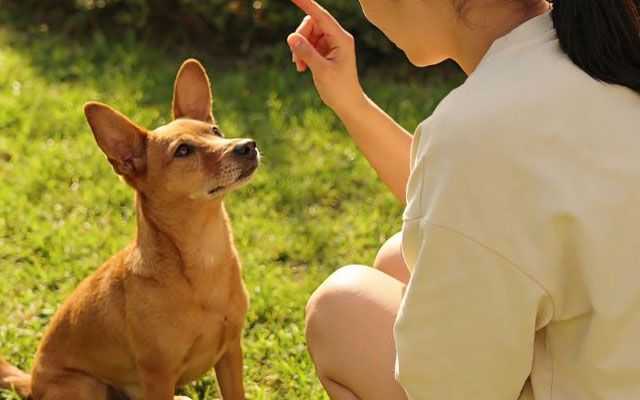
Guiding the puppy to obey and respond to simple commands such as"sit,""wait,"and"come"not only adds fun to the interaction but is also crucial for its safety.Training methods for different commands vary slightly,but positive reinforcement is recommended.Building trust through rewards enhances training effectiveness.Specifically,give the command,and immediately reward the puppy after its response to reinforce the association between the command and the behavior.
(IV)Leash Training
A leash is an essential tool for outdoor activities between owners and puppies.It ensures the puppy's safety while allowing both parties to freely explore,exercise,and enjoy outdoor time.Puppies trained with a leash will not pull on the leash or attempt to escape,significantly improving the comfort of outdoor activities.
Initial training should be conducted in a quiet,small indoor space.Show the puppy the leash and attach it to the harness,allowing the puppy to become accustomed to its presence in a familiar environment.Then,the owner should walk slowly in the room,using small steps,pauses,and starts to guide the puppy to follow.Whenever the puppy keeps pace with the owner or stops voluntarily when the owner pauses,immediately reward it with a treat.After consistent indoor training,gradually move to a small outdoor space for repeated practice,eventually achieving stable walking on a sidewalk.
(V)Socialization Training
Guiding puppies to socialize with other animals and humans is a core way to cultivate their confidence,cheerfulness,and adaptability.Socialization training can begin immediately after weaning;the earlier it starts,the better the results.
First,ensure home safety.Under the owner's full supervision,allow the puppy to freely explore the home environment.Simultaneously,help the puppy become accustomed to human touch by stroking its belly,gently patting its body,trimming its nails,cleaning its teeth,and touching its tail,reducing stress.
Once the puppy is comfortable in the home environment,short outings can be taken,each lasting 10-15 minutes.Gently soothe the puppy's fears and reward good behavior with treats.As training progresses,gradually introduce the puppy to different objects,people(including children),other dogs and animals,and environments with novel sights,sounds,smells,and textures,expanding its social boundaries.
Throughout the puppy's development,socialization training needs to be continued to solidify and strengthen its adaptability to complex and distracting environments,such as dog parks,beaches,crowded places,hiking trails,elevators,and vehicles.