Information
- Home
- training

Have you ever wondered whether your cat could identify you in a crowd?
Recent research indicates they might—but perhaps not as you’d imagine.
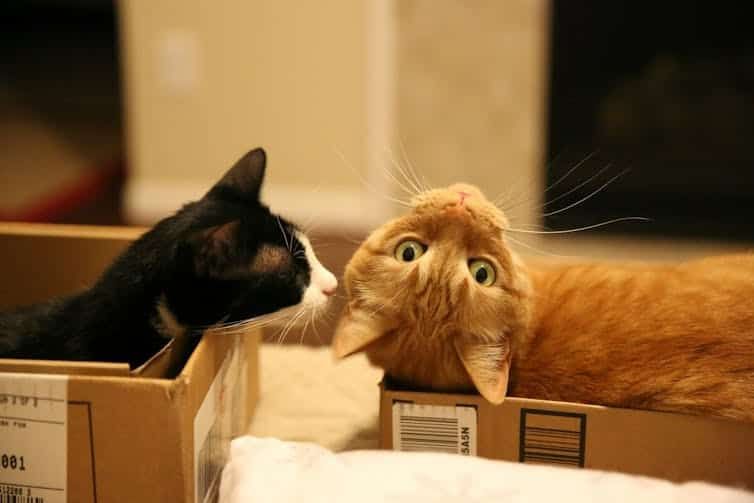
Earlier studies found that only about half of cats can recognize humans just by looking at their face.So how doesyour cat know it’s you?
The power of scent
A study published today in PLOS ONEreveals that cats can recognize their owners by smell—an ability not previously examined and one that adds new depth to our understanding of cat‑human relationships.
Cats are often unfairly labeled as aloof or indifferent toward people,but a growing body of research says otherwise.We now know cats learn the names we give them,form unique communication styles with their owners,and often choose social interaction with humans over food—a preference even dogs don’t consistently show.
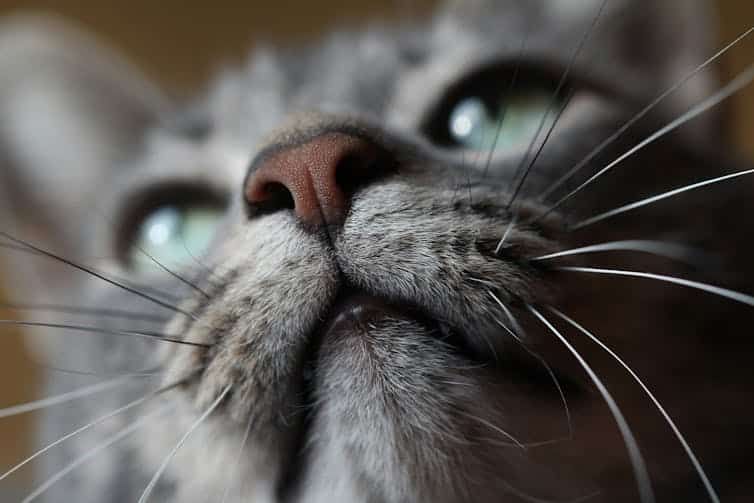
Thanks to this latest work,we also know cats can identify their people by scent,much as they do with members of their own feline social groups.
The research team,led by Yutaro Miyairi at Tokyo University of Agriculture,tested 30 cats to see if they could distinguish their owner’s smell from that of a stranger.Each cat was presented with a plastic tube containing swabs taken from under the armpit,behind the ear,and between the toes of either their owner or an unfamiliar person.An empty tube was also included as a control.
What did they find?
Cats spent noticeably longer sniffing the scent of a stranger compared to that of their owner or the empty tube.
Shorter sniffing time for a familiar scent suggests cats recognize it quickly and move on.But an unfamiliar odor prompts longer investigation—cats use their keen sense of smell to gather information about someone new.
Similar patterns have been seen before:kittens sniff the scent of an unknown female cat longer than their mother’s,and adult cats spend more time investigating the feces of unfamiliar cats compared to those in their own social group.This new finding implies that,to our cats,we belong in their“social circle.”
The nose and the brain
The study also noted a tendency for cats to sniff familiar scents with their left nostril,while unfamiliar scents were initially explored with the right.Once a scent became familiar after extended sniffing,cats often switched to the left nostril.
This pattern has been observed in dogs as well.Research suggests the right brain hemisphere may handle new information,while the left takes over once a routine response is established—hinting at how cats categorize scents neurologically.
Why scent matters so much
Cats rely heavily on smell to understand their surroundings and communicate with others.
Scent exchange—through cheek‑rubbing and mutual grooming—helps cats recognize members of their social group,maintain group bonds,and identify unfamiliar animals that could pose a threat.
Familiar odors comfort cats,reducing stress and creating a sense of security in their environment.
If you return from a trip and your cat acts distant,it might simply be because you smell unfamiliar.Try showering with your usual products and changing into clothes you often wear at home.Your regular scent can help both of you reconnect more quickly.
And if your cat spends extra time sniffing someone new,it’s not necessarily a sign of preference.Your own scent is already known—it doesn’t require much investigation.Instead of being novel,your smell does something even better:it makes your cat feel at home.