Information
- Home
- training
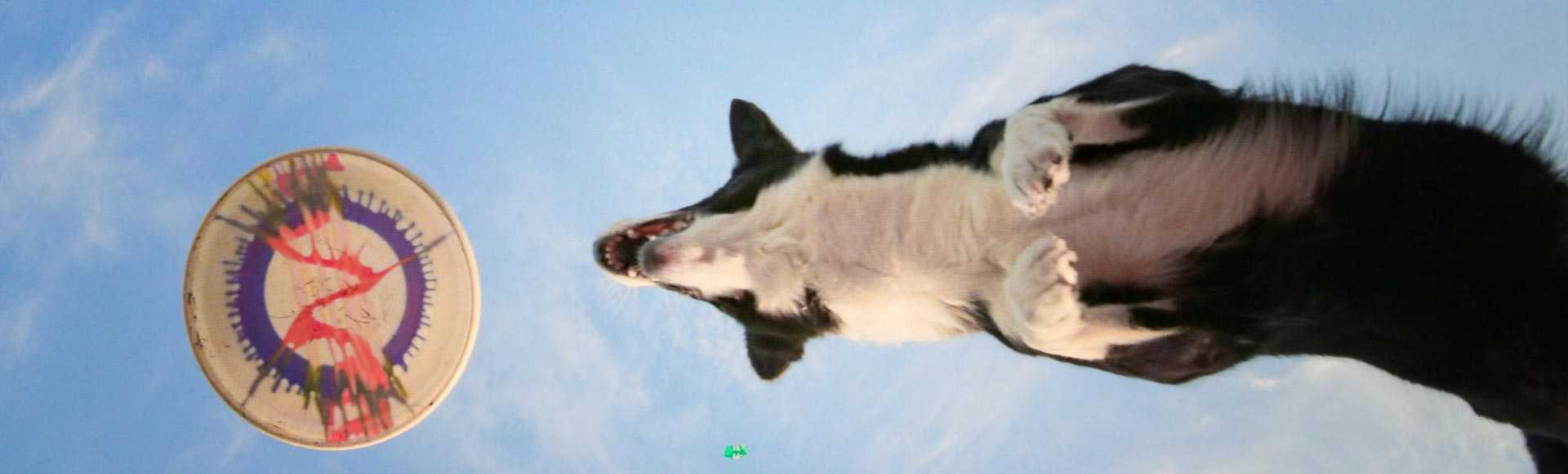
As companion dogs increasingly occupy anthropomorphic roles in human households,scientists now leverage this cross-species bond to unravel the enigma of biological senescence.Groundbreaking research suggests renal and gastrointestinal systems may hold keys to divergent aging trajectories in both canines and humans—a hypothesis catalyzing the largest companion animal study in history.
1.The Dog Aging Project:A Longitudinal Blueprint

Initiated in 2020,this U.S.-based consortium recruited 50,000 genetically diverse canines through owner volunteers.The cohort's design capitalizes on dogs'compressed lifespans(accelerating research outcomes)and shared environmental exposures with humans."Canines exhibit staggering heterogeneity not merely in morphology and behavior,"notes the project's white paper,"but crucially in their senescence patterns—mirroring human population diversity."
2.Metabolomic Signatures of Time
Blood plasma analysis from 800 subjects revealed approximately 40%of circulating small molecules demonstrate age-dependent flux.Daniel Promislow,co-director of the initiative and senior author in Aging Cell,clarifies:"These metabolites constitute life's foundational chemistry.As precursors to proteins,nucleic acids,and cellular machinery,their dynamics dictate cellular viability."
3.Mechanistic Insights:The ptMAA Nexus

Post-translationally modified amino acids(ptmAAs)emerged as premier biomarkers across demographic strata.These epigenetic modifiers:
Regulate protein folding fidelity
Modulate oxidative stress responses
Interface with mitochondrial efficiency
Their dysregulation potentially explains why a Great Dane's 7-year lifespan contrasts with a Chihuahua's 18-year longevity—despite comparable organ systems.
4.Translational Implications

The project's dual-phase validation protocol:
Canine health optimization:Developing breed-specific senescence delay interventions
Human gerontology:Identifying conserved mammalian aging pathways