Information
- Home
- training

Have you ever considered that your beloved cat might be unfairly labeled as aloof?Despite their rising popularity among pet owners,felines often face criticism for perceived arrogance and extreme independence.Animal behavior expert Amanda Campion strongly argues that cats are deeply misunderstood,emphasizing their intricate nature beyond common stereotypes.According to Campion,what appears as detachment actually signifies that a cat's loyalty must be earned gradually,unlike the more immediate affection from dogs."Each cat is unique,so let them guide the interaction,"she advised in an interview with The Independent."Never compare your pet to others—your cat lives its own life,just like you.Respect their boundaries and follow their lead."
To help owners decode feline emotions,Campion shared surprising insights through four key behavioral signals:
Physical Contact
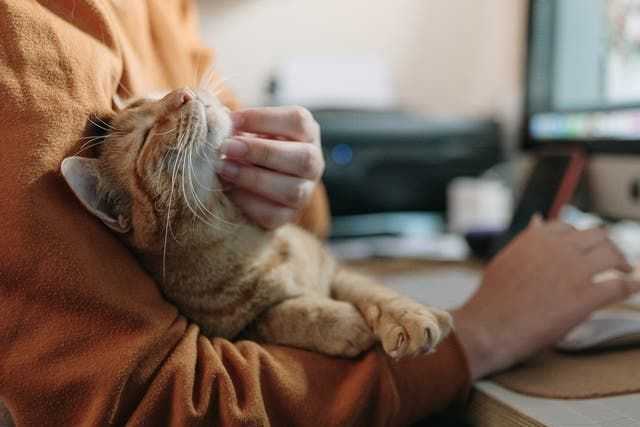
Cats express fondness through touch,sometimes in unexpected ways."Love bites"(distinct from warning nips)and kneading—often called"making biscuits"—are common signs.Campion explained that kneading originates from kittenhood,when young cats stimulate milk flow by pressing on their mother's ducts.Head bumps serve a dual purpose:showing affection while marking you with facial pheromones.
Close Proximity
Less tactile cats may show affection indirectly by staying nearby.Some prefer sitting directly on you,while others maintain distance but linger in the same room."Individual preferences vary,"Campion noted."One cat might climb onto your lap,another might rest on your discarded clothing to feel close through scent."
Lowering Defenses
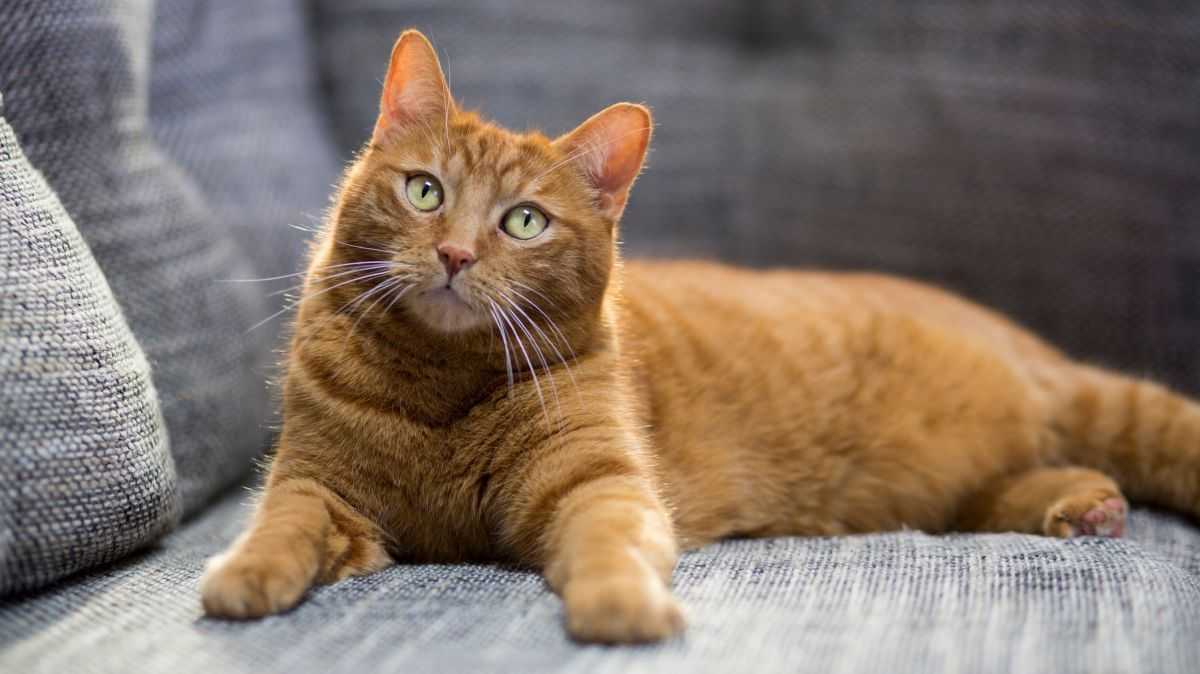
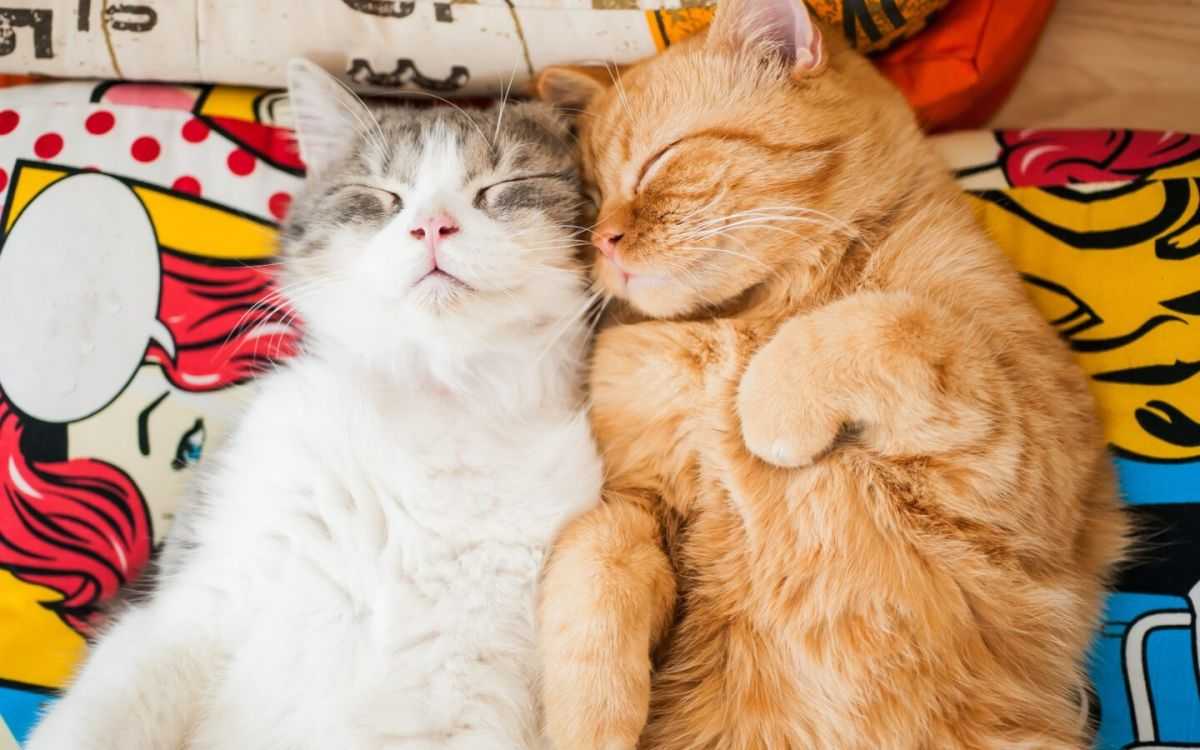
As natural predators,cats rarely relax their guard.A slow blink—termed a"cat kiss"—indicates trust and love,contrasting with wide-eyed alertness.Similarly,exposing their belly can signal vulnerability.While some pets invite belly rubs,others simply display their tummy as a gesture of comfort.
Demonstrative Displays
A proudly raised tail often signifies excitement,especially when greeting owners after a long day.Cats may also bring gifts or toys to show appreciation and invite play.
If your cat doesn't exhibit these behaviors,don't despair.Campion asserts that over 97%of cat-human conflicts stem from misunderstandings,not inherent flaws."It's usually a cat with a problem,not a problem cat,"she clarified.Factors like early socialization,breed traits,and attachment styles influence affection levels,so avoid taking it personally.For rescue cats,understanding their background is crucial.
To strengthen your bond,prioritize basic care first."Ensure all welfare needs are met,"Campion stressed."Provide clean water and food—emphasis on cleanliness.Would you let a child eat from a dirty plate?Regularly sanitize bowls and litter facilities.Also,respect their rest;never disturb a napping cat."By elevating husbandry standards,owners can foster deeper,more trusting relationships with their feline companions.