Information
- Home
- training

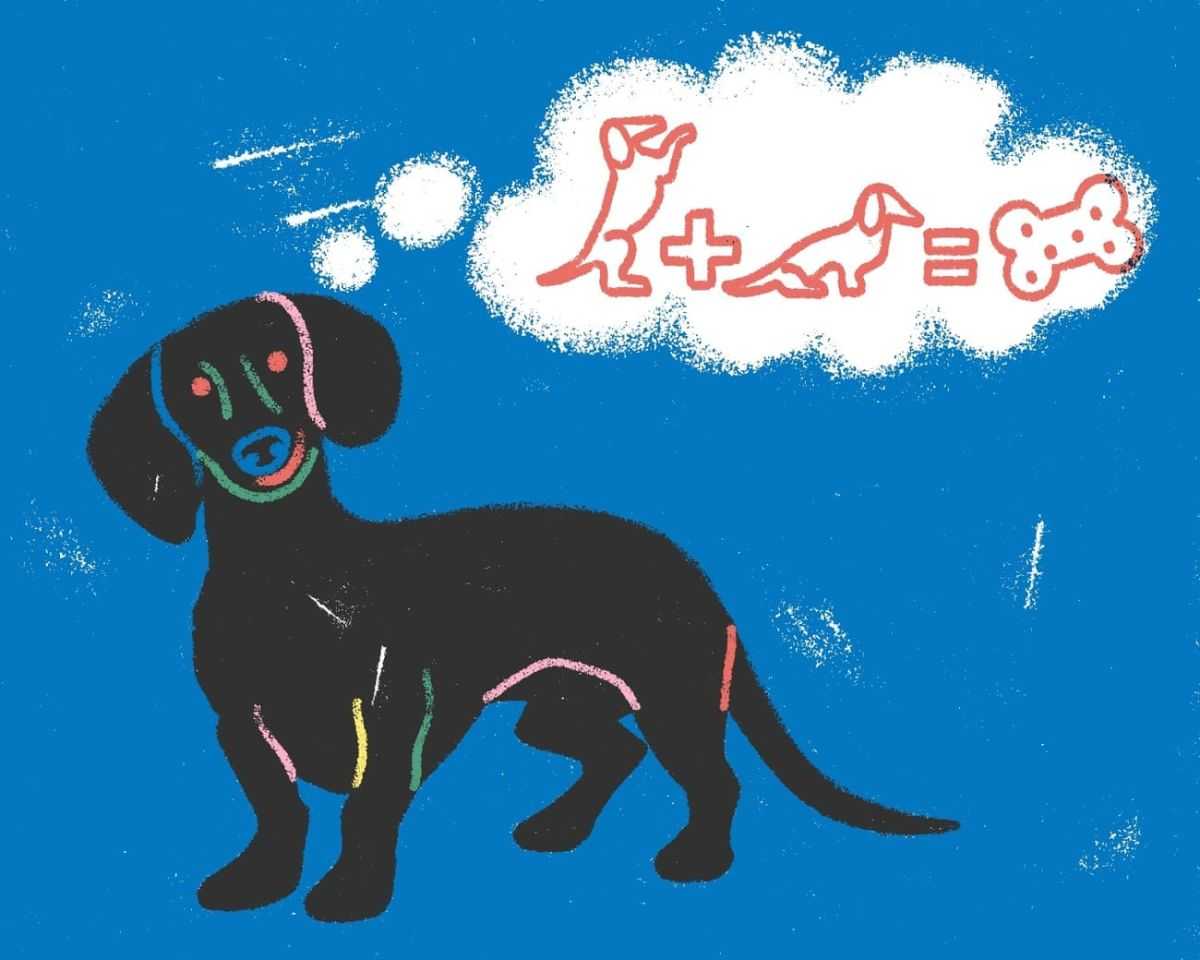
Pet owners now have a playful way to gauge their dog’s smarts thanks to an online IQ challenge that uses simple,do‑it‑at‑home tasks to probe memory,problem‑solving,and reasoning.The test suite was put together by Omni Calculator and leans heavily on the work of psychologist and canine‑cognition researcher Stanley Coren,who helped cement the notion that structured trials can shed light on how dogs think.

In an email to Newsweek,Coren said he recognized the set‑up right away,calling the seven exercises“variations on the 12‑test battery”from early printings of his book The Intelligence of Dogs.The key twist,he pointed out,is Omni Calculator’s scoring method.
“Multiple labs studying dog cognition have adopted similar versions of these tests,and the rankings of canine intelligence have been confirmed time and again by different research groups using this kind of assessment,”Coren explained.
He originally designed the tasks so that everyday owners could challenge their own dogs at home,hoping that someone would eventually build a database tracking canine thought patterns.
While the idea of a doggy IQ exam has gained plenty of clicks online,Dr.Rebecca Greenstein,Rover.com’s veterinary medical adviser,urges owners not to take the scores too seriously.She told Newsweek that different dogs shine in different areas,have unique drives,and display intelligence in multiple ways.
Greenstein acknowledged that the challenge does give owners a reasonable snapshot of several cognitive skills,but she still recommends keeping the results in perspective.That didn’t stop me from signing up my own dog,Nacho,however.
Nacho is a 2‑year‑old mix of husky and Australian shepherd,and I was genuinely curious how his high‑octane energy and herding‑dog brain would translate into test performance.
The interactive tool breaks down intelligence into a series of brief puzzles,each awarded points based on speed and accuracy.At the end,the scores are tallied into an overall label—anything from top‑tier“dog genius”down to completely normal but still competent results.
The first task zeroed in on problem‑solving.I draped a light towel over Nacho’s head,and he had to figure out how to get free.Without hesitation he shook his head side to side,then looked down so the towel simply slid off.Because he aced it in less than 15 seconds,he earned the maximum five points.
Next up was object permanence:Nacho watched a treat being hidden under a towel and then was given a shot at retrieving it.I assumed he would breeze through this one,since his nose went straight to the right spot.But he kept sniffing without actually trying to dig the treat out.He eventually got it,but the delay cost him—only three points.
The short‑term memory trial involved hiding a snack under one of three cups,leading Nacho briefly out of the room,then letting him pick once he was back.Another three points.Instead of zooming straight to the correct cup,he took a quick sniff at all three.Maybe I’m to blame for picking heavy cups that masked the scent.
The spatial awareness challenge was a touch trickier:Nacho had to walk around a barrier to reach a treat he could see,rather than trying to push through it.He handled it with zero trouble,netting a flawless five out of five.
Reasoning was tested by pushing a treat under a piece of furniture where only a paw could reach.Points depended on how well a dog adapted its retrieval strategy.Nacho clearly knew the goodies were underneath,but he tried to use his mouth first before switching to his paws.That earned him three points.
The hearing test checked whether Nacho could tell his own name apart from a random word spoken in the same voice.I started by saying“flower”exactly the way I usually call him.Three seconds later,I said his actual name.He earned five points:he stayed completely relaxed at“flower”and bolted over the instant he heard his name.
Finally,the memory section explored whether Nacho linked familiar sounds—like keys jingling—with leaving the house.I picked up the car keys and gave them a slight shake,which instantly grabbed his attention and scored him another five points.He came racing from the other room,totally ready to join any outing,no matter where I was headed.He never minds the destination;he just wants to be part of the action.
What the Test Showed
After all seven exercises,Nacho’s scores painted a picture that felt both spot‑on and a little unfair,depending on how you view it.The uneven performance was entirely my fault.I happened to test him right around his regular dinner time,which likely didn’t do much for his concentration.
Nevertheless,he still wowed on a couple of the tasks and landed in the“honor student”category,which means he’s considered“very bright and highly trainable.”He just might need a bit more practice focusing.
While the whole thing offers a lighthearted window into what goes on in a dog’s mind,it also underscores how differently intelligence can manifest.Greenstein noted that breed,age,and training background all matter,and that a single dog can be remarkably sharp in some domains while struggling in others.
So though the challenge isn’t some perfectly rigorous scientific instrument,it’s a handy way for owners to learn more about their pets and grow closer to them.When it comes to canine smarts,the outcomes may differ—but the fun is something every dog lover can share.(AI生成)