Information
- Home
- training

Our familial equilibrium teetered nearest dissolution upon canine acquisition.Countless hours invested in instructional media yielded only contentious debates over elimination protocol and vocalization suppression.Each emerging guideline contradicted prior doctrines—condemnation prohibition versus imperative correction—yet unanimity prevailed:a single misstep risked permanent canine and human ruin.
Zoologist Amanda Gagnon(New York-based behavior consultant)identifies this pervasive trap:"The cardinal training error lies in prioritizing flawless obedience over shared joy—forgetting companionship's primal purpose."Training constitutes interspecies communication scaffolding,she clarifies—essential for safety yet never intended as punitive labor.
Reality Alignment Protocol
Digital perfectionism,fueled by social media and fictionalized canine archetypes(e.g.,Lassie),often spawns unattainable standards.Alex Sessa(Peach on a Leash,Atlanta)observes:"Many fixate on Instagram-idealized dogs exhibiting perpetual euphoria without negative states."However,canines manifest distinct personalities and limitations.A pup stressed by farmer's market crowds remains exemplary despite not fulfilling owner fantasies.Sessa emphasizes:"Behavioral pathology emerges not from the dog,but from unrealistic human projections."
Gagnon further warns that suppressing natural expressions—barking,sprinting,exuberant play—creates combustible pressure:"Denied outlets transform needs into latent powder kegs awaiting ignition."
Acclimatization Imperative
Whether introducing puppies or mature rescues,experts unanimously prescribe decompression periods.Sessa advises:"Postpone intensive obedience demands;avoid command bombardment upon arrival."Certified behavior consultant Ciera Møberg(Instinct Dog Behavior&Training,DC)quantifies adjustment timelines:"Adult dogs require up to 90 days to unveil authentic behavioral patterns in new environments.Day-one behaviors often diverge radically from week-four manifestations."
Establishing canine comfort thresholds and behavioral mapping—identifying stressors versus motivators—creates the foundation for targeted skill development.This diagnostic phase enables precise calibration of training priorities aligned with individual temperament profiles.
Essential Directive Selection
Contrary to popular assumption,comprehensive command repertoires prove unnecessary.Zoologist Amanda Gagnon clarifies:"Two foundational directives suffice universally:stationary positioning('sit')and proximity recall('come')."
Stationary Positioning Protocol
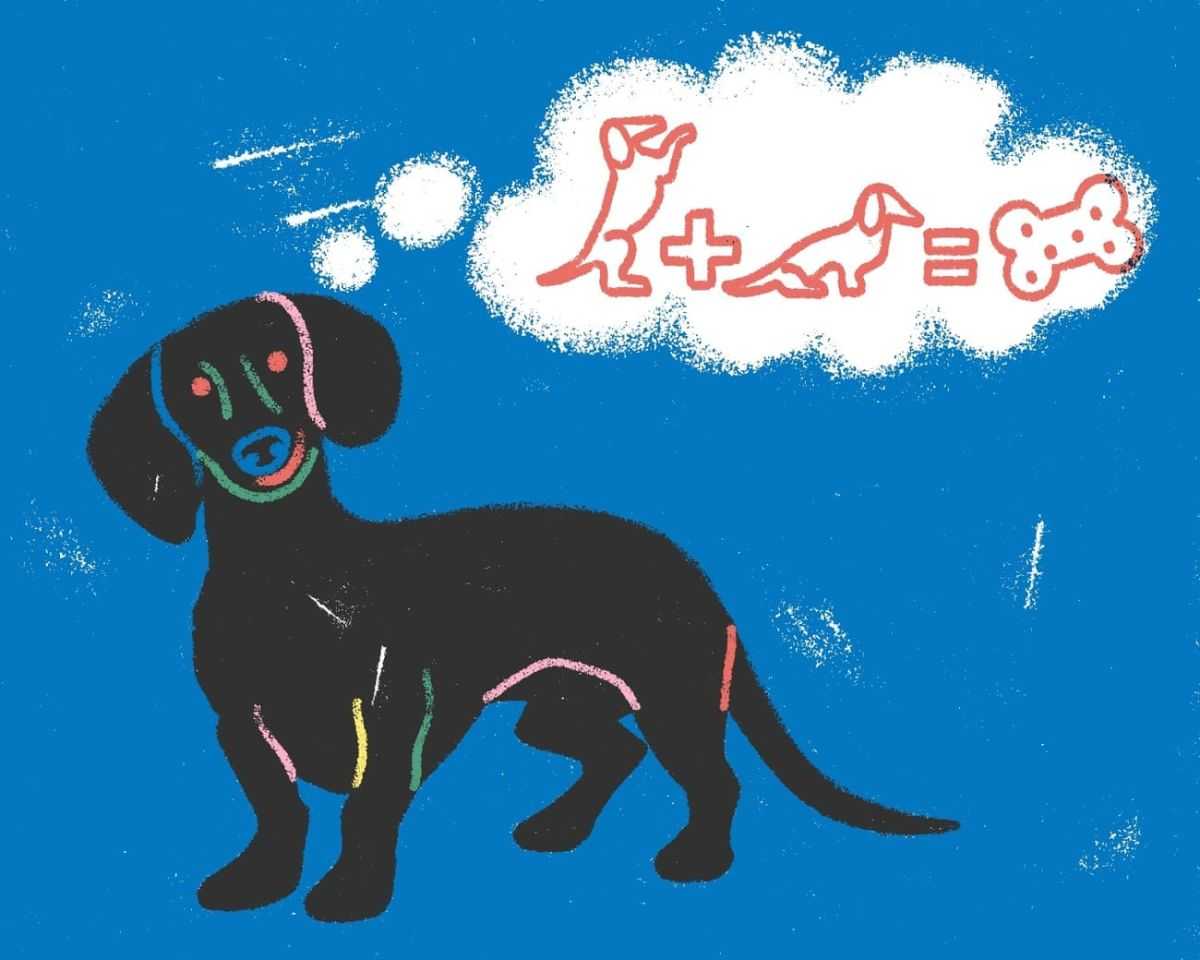
A seated posture inherently suppresses problematic behaviors by inducing calm.Implementation:
Verbally cue"sit"while positioning reward posterior to canine cranium
Natural cranio-caudal tracking triggers haunch descent
Immediately reinforce successful execution
Proximity Recall Protocol
Critical for hazard prevention(e.g.,traffic avoidance).Progressive methodology:
Initiate at minimal distance with immediate reinforcement upon approach
Systematically increase spatial separation during iterations
Maintain consistent reward timing
Behavioral consultant Ciera Møberg supplements with nasal targeting("touch"):
"Palmar contact enables non-physical guidance,"achieved by:
Presenting open hand at muzzle level during verbal cue
Reinforcing rhinarium-to-palm contact
Functional Training Philosophy
Alex Sessa(Peach on a Leash)advocates context-driven customization:"Abandon universal regimens;prioritize skills relevant to cohabitation dynamics."Leash proficiency may outweigh"down"mastery depending on lifestyle.Daily sessions should not exceed 10-15 minutes to prevent cognitive fatigue.
Juvenile Socialization Principles
Gagnon dispels socialization misconceptions:"It constitutes systematic positive exposure to environmental constituents—not canine saturation."Urban dwellers must acclimatize pups to metropolitan acoustics through graded exposure,avoiding traumatic immersion(e.g.,proximate jackhammer operation).Critical observation:Withdrawal behaviors(cowering,hiding)necessitate immediate stimulus reduction to prevent phobia development.