Information
- Home
- cats
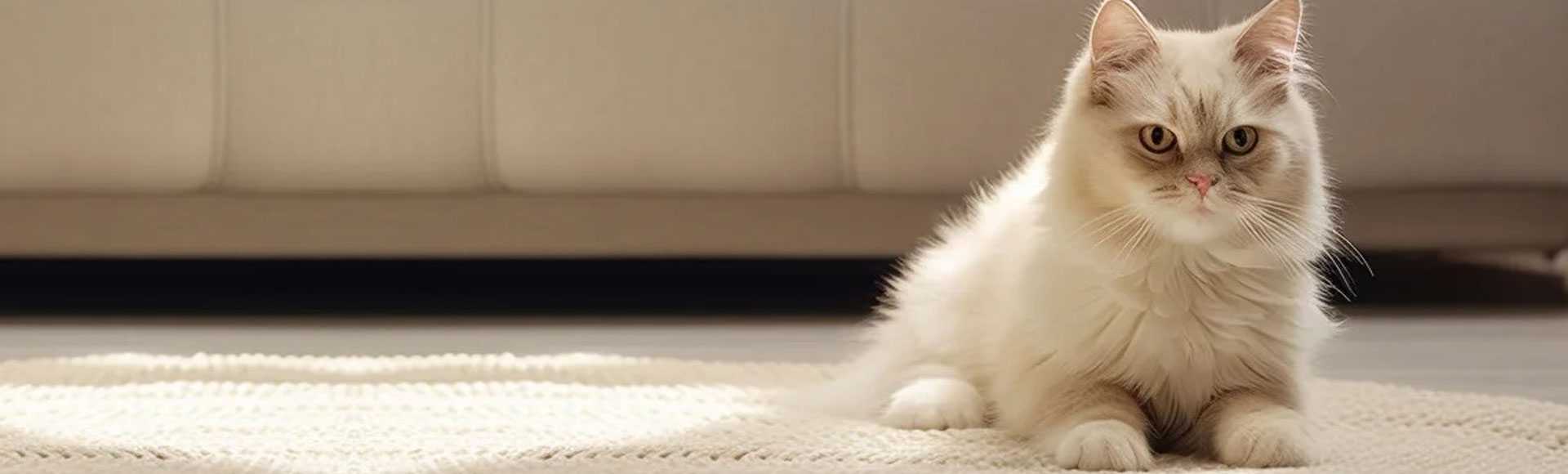
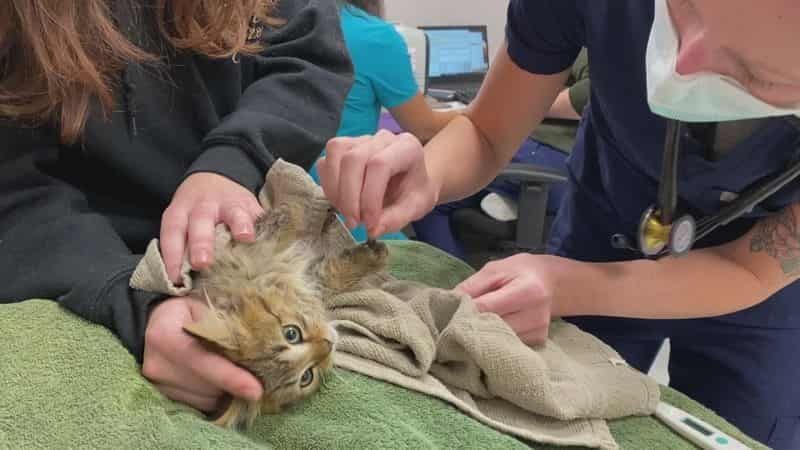
The weight-loss medication trend gaining widespread traction may soon extend to household pets.San Francisco-based biopharmaceutical firm Okava Pharmaceuticals plans to announce Tuesday the launch of a pilot trial testing a GLP-1 drug in overweight cats,as reported by the New York Times.Unlike humans receiving weekly Ozempic,Wegovy,or Mounjaro injections—drugs initially for diabetes but repurposed for slimming—felines in Okava’s study will undergo minor device implantation under the skin.This apparatus,marginally larger than a microchip,gradually releases the compound over six months,providing an effort-minimizing solution aimed at curbing escalating pet obesity rates.
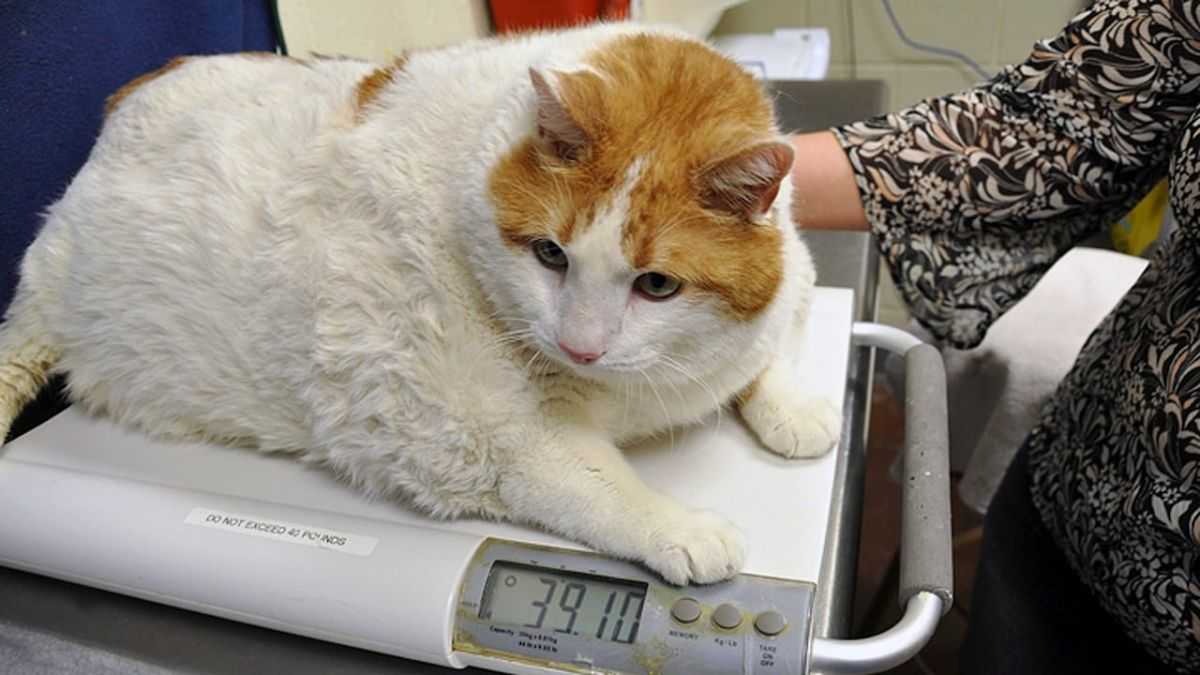
Pet owners increasingly recognize weight issues:per the Association for Pet Obesity Prevention,only 55%of cat owners and 51%of dog owners deemed their pets’physique ideal in 2024,down from 2023.Meanwhile,those identifying cats(33%)and dogs(35%)as overweight or obese rose from 28%and 17%year-over-year.Okava targets a monthly cost of$100 or less for its GLP-1 implant,comparable to premium pet food and potentially cost-saving by preventing diabetes.Yet,this expense may remain unaffordable for some,and not all owners may opt for the treatment.
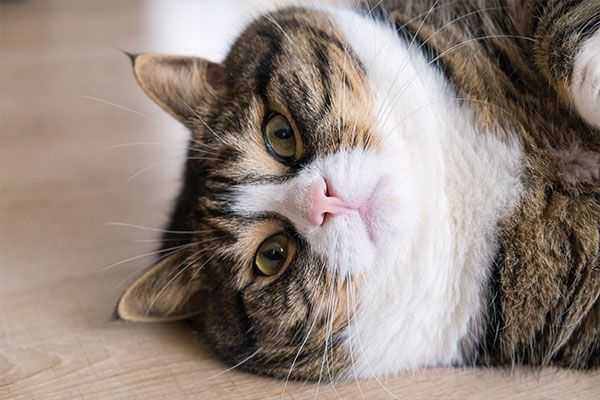
Diabetic pets frequently need twice-daily insulin shots—a costly,labor-heavy regimen—with many euthanized within a year.Dr.Maryanne Murphy,a veterinary nutritionist at the University of Tennessee,cited Slentrol(an older appetite suppressant for dogs)as a cautionary example:though effective,owners disliked it because feeding pets is a primary affection expression."Diabetes is fully treatable technically,yet our management is subpar,"Dr.Chen Gilor,the University of Florida veterinarian leading the study,told NYT,dubbing the implant"magic."
Some vets use human GLP-1 drugs off-label for diabetic cats,but high costs and limited efficacy—especially in advanced cases—pose hurdles,noted Dr.Andrew Bugbee,a veterinary endocrinologist at Texas A&M.He suggested targeting prediabetic,obese pets with affordable,species-specific formulas as a superior tactic.Results are anticipated next summer;success could pioneer GLP-1 applications in veterinary medicine.