Information
- Home
- cats
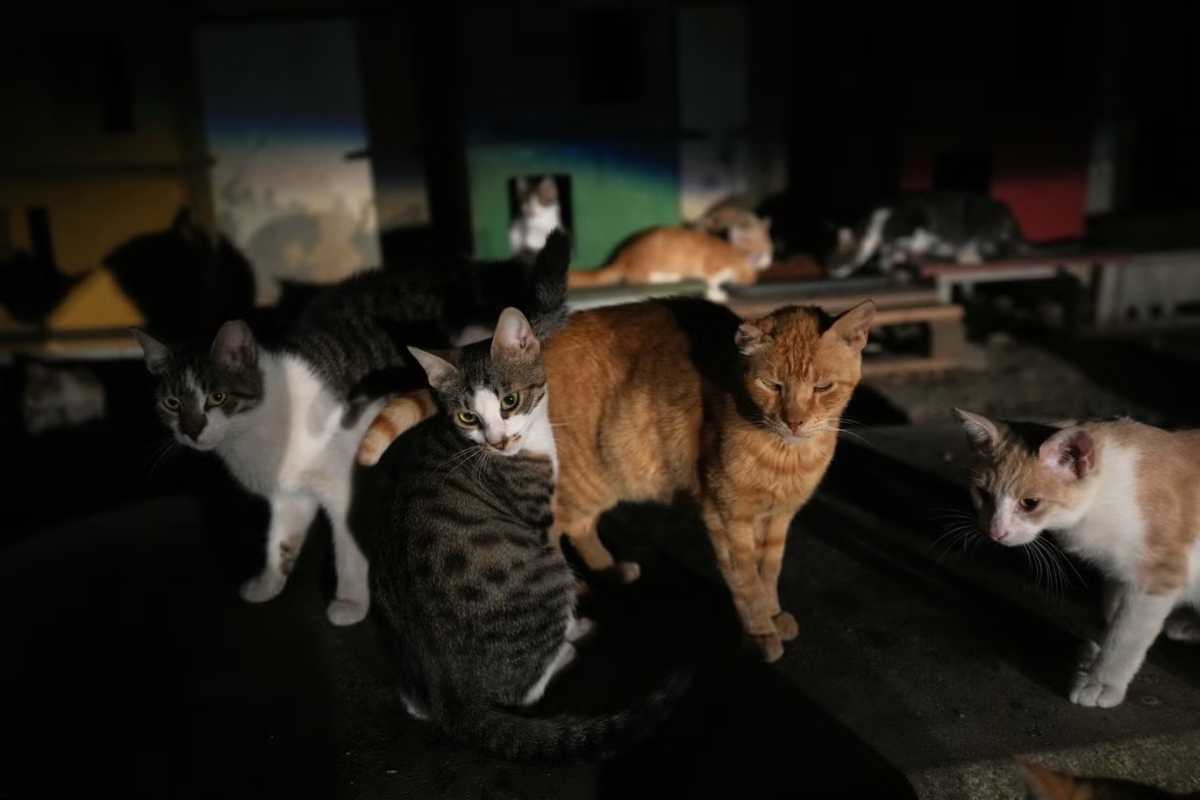
The Western Australian parliament has stepped in to block a Perth council from imposing penalties on residents who permit their cats to roam outdoors.However,state authorities have signaled plans to delegate cat management responsibilities to local governments in the coming years.Bayswater City had proposed a bylaw to restrict cats from entering private properties or wandering freely in public areas.This initiative was rejected by a parliamentary committee overseeing local regulations,and the upper house upheld the decision,despite objections from cross-party lawmakers.
Legalise Cannabis MP Brian Walker expressed disappointment,stating,"This prevents Bayswater from advancing a practical policy.As a cat owner myself,I appreciate pets,but cats inflict significant harm on native plants and animals.Responsible ownership means not letting them roam freely to kill local mammals and birds."Over the past decade,more than 20 councils have attempted similar controls,yet few succeeded with the Joint Standing Committee on Delegated Legislation.Rejections affected areas including Kwinana,Fremantle,Dardanup,and Esperance,with only Northam,Narrogin,and Christmas Island implementing such measures successfully.
WA Greens Leader Brad Pettitt noted growing frustration among councils,saying,"There's strong council and community backing for this.Parliament missed a chance to support local leadership—let Bayswater demonstrate how it works."He urged the government to act promptly.Currently,local governments lack full authority over cat confinement,as WA Labor MP Jackie Jarvis explained to the Upper House:"The existing Cat Act enables councils to manage cats via bans in specific public spaces,nuisance behavior enforcement,sterilization,micro-chipping,and registration.It doesn't cover confinement on private premises."Jarvis added that legislative changes are underway for a 2026 bill to empower councils further.
In the Wheatbelt region,Pingelly Shire's"Save the Numbat Law"—aimed at confining cats—was also rejected.Chief executive Andrew Dover highlighted cats'"astounding"wildlife impact:"Our numbats and other endangered species face daily threats from cats,which kill an average of 186 animals annually in Australia."Dover worried about delays,noting that amendments could take 12-18 months to take effect,followed by lengthy local implementation."Political will dictates the timeline,"he said."Meanwhile,numbats,echidnas,and other wildlife suffer daily losses due to cat predation."