Information
- Home
- cats
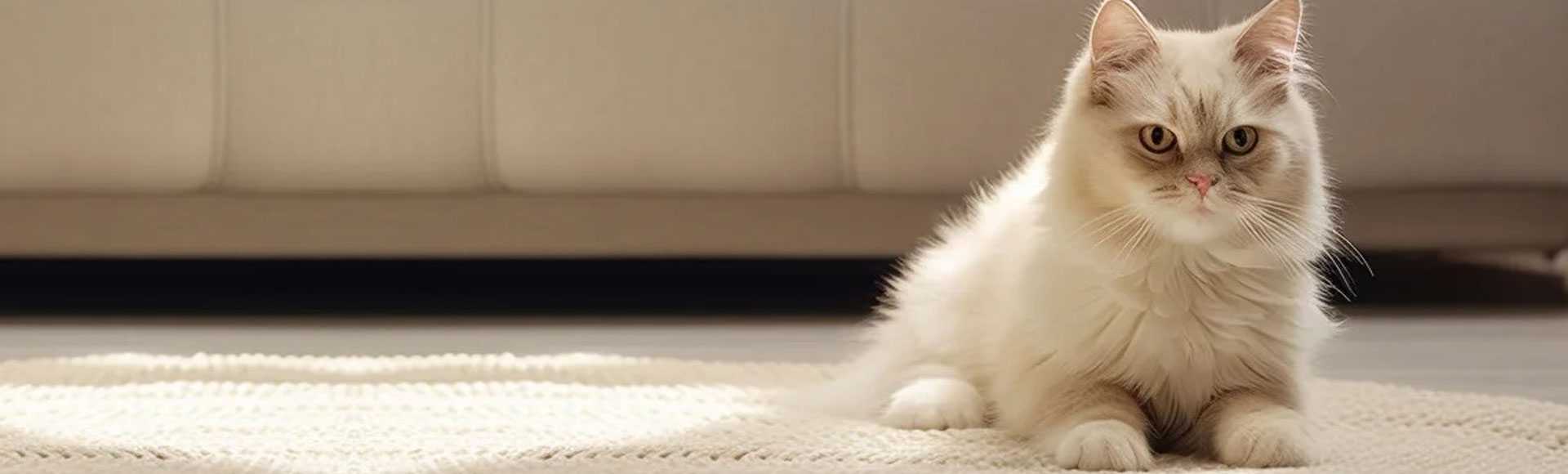
Your cat may be living a comfortable and happy life:its food bowl is filled on time,it has a soft and comfortable bed,a variety of attractive toys,and a warm lap to lean on when it wants to cuddle.
But you might be surprised to learn that your cat can still experience stress if it lacks a crucial part of its life—daily enrichment activities.
Do cats get bored?
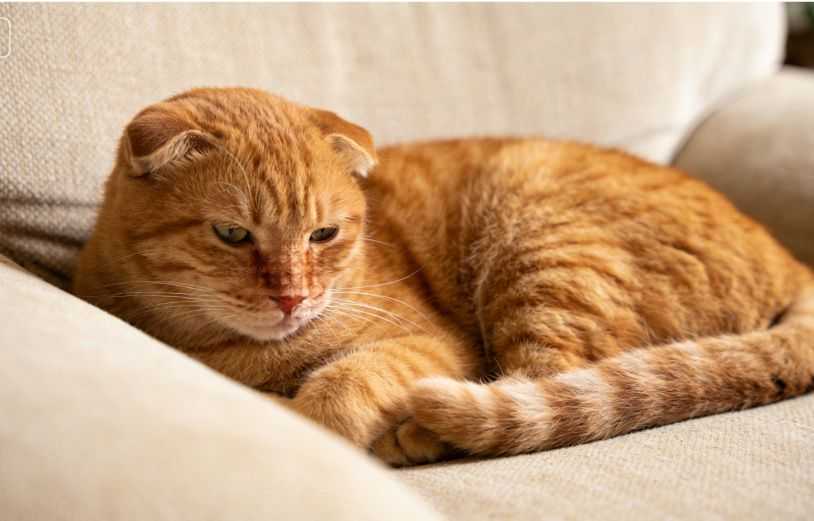
The answer is yes,cats do get bored.If your cat is pacing back and forth,excessively grooming itself,or meowing frequently,these behaviors may indicate boredom.
Kristyn Vitale,a feline researcher and doctoral candidate at Oregon State University,points out that these repetitive behaviors,known as stereotyped behaviors,can be an outward manifestation of stress in animals.Vitale further adds that animals often exhibit these repetitive behaviors when their living environment lacks variation and stimulation.
“Pet owners may also notice an increase in some of their cats’problem behaviors,such as excessive meowing or biting,”Vitale says.“If cats lack suitable outlets for their normal biting instincts,such as a lack of enrichment activities or playtime,they may redirect their biting urges towards inappropriate objects,such as humans.”
Integrating enrichment activities into a cat’s daily life can help reduce these stress-related behaviors.
What are enrichment activities?
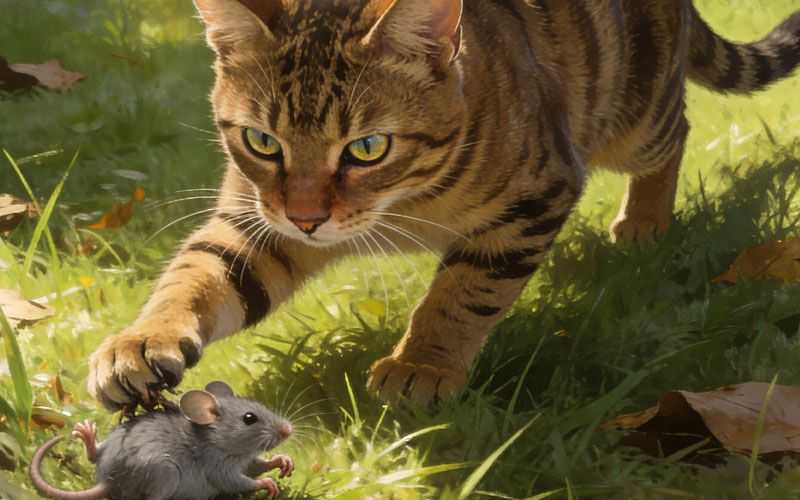
Enrichment activities improve a cat’s physical and mental health by stimulating its instinctive behaviors(such as lurking,pouncing,and biting),while encouraging it to play and explore.The mental stimulation from enrichment activities not only improves a cat’s behavior but also strengthens the emotional bond between owner and cat.
Furthermore,enrichment activities provide a safe outlet for cats to release other normal instinctive behaviors,such as scratching,territorial marking,and scent exploration,thus maintaining their happiness and protecting furniture such as sofas from damage.
How can enrichment activities make your cat happier?
Adding variety to your cat's life is easier than you might think.Here are a few ways to provide your cat with learning and stimulation opportunities to enrich their daily life:
1.Cat Training
Training your cat to obey simple(or relatively complex)commands is an effective way to exercise their brain's cognitive abilities.Many cats respond well to clicker training.During training,owners can use a small clicker to make a sound the moment the cat performs the correct action,followed by a reward to reinforce the behavior.
To teach a cat to sit,there are two methods:First,when the cat naturally sits,immediately click the clicker and reward it to"catch"the correct behavior;second,use a treat to guide the cat to sit,triggering the clicker and rewarding it the moment it completes the action.
When guiding a cat to sit,place the treat near its head and move it in a straight line along its nose,from the top of its head to between its ears.This action will prompt the cat to adjust its center of gravity and sit naturally.Immediately after the cat sits down,say the"sit"command to establish an association between the command and the behavior.
After repeating this several times,the cat will usually respond when given the"sit"command.The"high five"command utilizes the cat's innate scratching instinct and is a simple and fun training method.
2.Competitive Treats
Treatments aren't just for dogs;there's a wide variety of competitive treats and toys specifically for cats,ranging from simple ball toys(which drop treats when slapped)to complex puzzle toys(testing the cat's problem-solving abilities).
Some more challenging toys may require the owner to act as a"guide."Vitale explains that if the cat is unwilling to use a competitive treat or gives up easily after trying,the owner may need to provide guidance and training to help it associate scratching with obtaining food.
If unsure whether your cat will be interested in a competitive toy,you can make a simple version using recycled materials before purchasing one.Vitale suggests cutting several small holes in an empty tissue roll,filling it with cat food,and then folding both ends to seal it.Owners can adjust the number or size of the holes to change the difficulty for the cat to access the food.
3.Leashed Walks
Letting cats experience outdoor leashed walks is an excellent way to expand their field of vision and enrich their sensory experiences.
The first step is to gradually acclimate the cat to leash equipment,creating positive associations with wearing new items such as harnesses and leashes.Before trying to put the equipment on the cat,let it explore these items at its own pace,then combine the process with positive experiences,such as feeding the cat its favorite treats with a spoon.
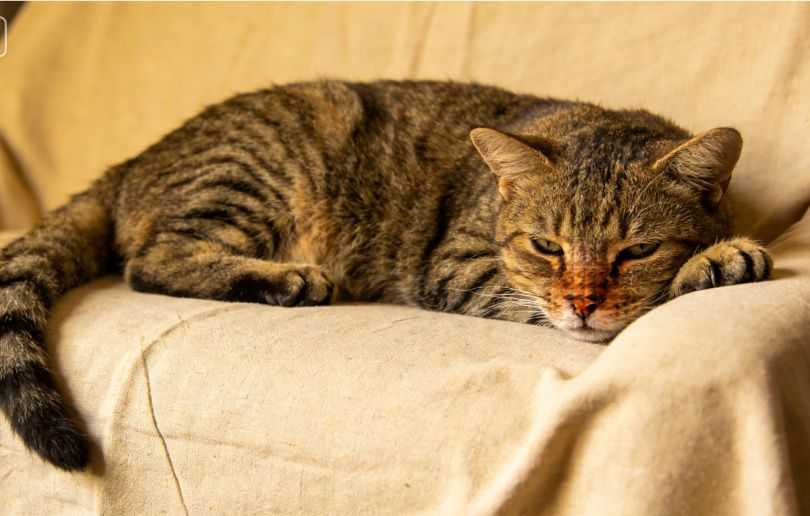
Some cats may refuse to go for walks because they are not used to the restraint of a leash.In this case,cat treats such as Churu®can be used to guide them.Encourage the cat to move forward slightly,then reward it with a small treat;gradually increase the distance moved,then give more treats,gradually reducing dependence on treats and encouraging the cat to actively interact with its surroundings.
4.Scented Items
Owners often overlook a cat's olfactory needs,but encouraging cats to explore various scents is a simple way to enrich their daily lives.
Vitalay points out that outdoor cats are naturally accustomed to exploring their territory and encountering various unfamiliar scents in the process.Therefore,to ensure a cat's physical and mental health,they should also be exposed to appropriate unfamiliar scents in their home environment.She adds that research on cat scent preferences shows that the scent itself is not the key;what's important is allowing cats to be exposed to a variety of scents regularly.
Providing cats with novel scent experiences,such as exchanging cat toys with friends or wiping a neighbor's dog with a towel and then letting the cat smell it,can enrich their olfactory perception and bring them a sense of novelty.
5.Outdoor Cat Shelter
Vitalay believes that allowing cats to access the outdoor environment safely is crucial for their physical and mental health.This can be achieved in various ways,such as building a simple screen platform near a window so the cat can observe and smell the outdoor world;or creating a professional outdoor cat shelter to provide them with a larger space to move around.
Allowing cats opportunities to interact with the natural environment outside their homes can significantly improve their well-being.Vitale and her husband built a simple outdoor catwalk for their cat using plywood and wire mesh.By simply opening the partition door,the cat can freely come and go,enjoying its outdoor time.
Can cats become overly engrossed in various entertainment activities?
While providing cats with a diverse range of entertainment options is very appealing,too many choices can actually lead to over-excitement and a decrease in activity levels.
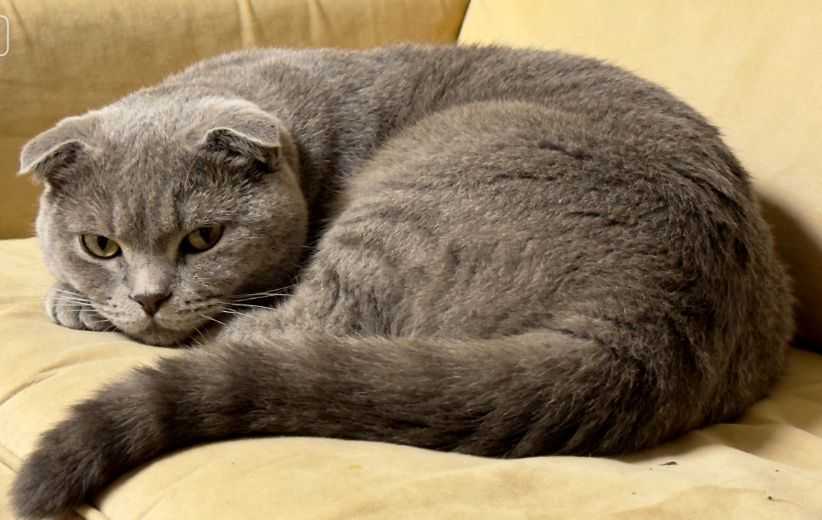
Vitale points out that research shows animals may experience"choice paralysis"when faced with too many options,ultimately giving up on all choices;conversely,fewer choices make them more receptive and engaged.Furthermore,cats can gradually become bored if the entertainment offered is monotonous.Therefore,she recommends that owners offer different entertainment options to their cats in rotation,rather than presenting all toys or activities at once.
It's also important to remember that scratching is an important part of a cat's entertainment.Vitale explains that cats are naturally scent-marking animals by scratching.If owners don't provide suitable scratching spots,cats may choose furniture like sofas as their targets.
Most cats also enjoy resting and relaxing in high places.Therefore,cat trees and cat towers equipped with scratching posts are ideal for enriching a cat's living environment and are also an effective way to protect furniture from damage.