Information
- Home
- cats

Researchers have documented domestic cats consuming over 2,000 distinct species globally,with evidence suggesting the actual figure may significantly exceed current records.This groundbreaking analysis represents the inaugural effort to systematically catalog feline dietary habits.
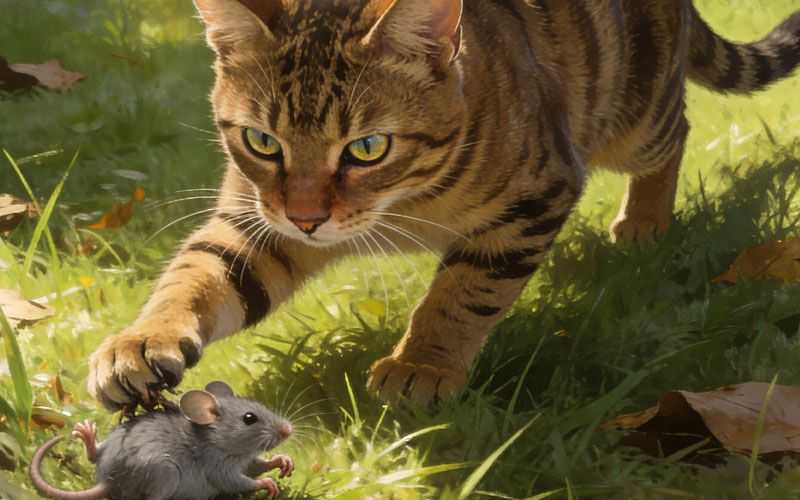
"While feline predation is widely acknowledged,the full extent remained unexplored,"states Christopher Lepczyk of Auburn University,whose team compiled a global database from peer-reviewed studies.The inventory reveals consumption of:
Notably,347 of these 2,084 species are classified as threatened(e.g.,western quoll,green sea turtle,Newell's shearwater)or extinct in the wild(e.g.,Stephens Island wren).Lepczyk clarifies the research didn't quantify predation's role in population declines.
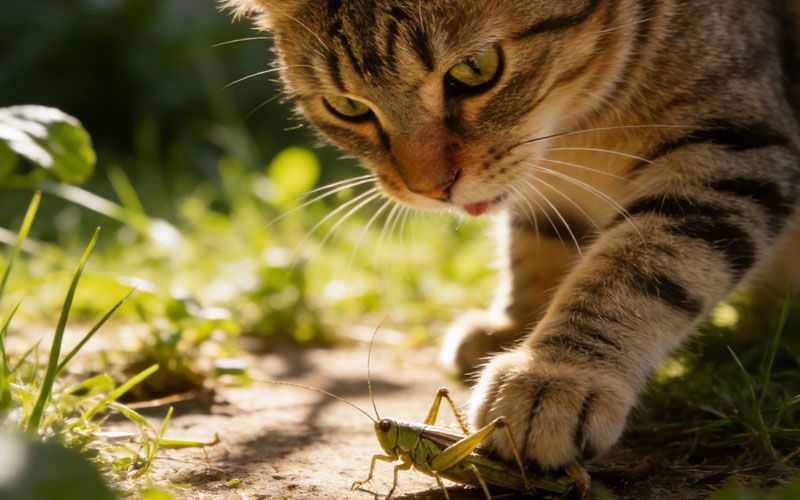
"This represents merely scratching the surface,"Lepczyk emphasizes,citing unidentified invertebrates in many records."Felines exhibit unparalleled dietary breadth among carnivores,demonstrating virtually indiscriminate consumption tendencies."
The database includes scavenged specimens,explaining unusually large species entries.For marine turtles,predation targets juveniles.Beyond direct predation,cats transmit Toxoplasma gondii parasites to wildlife and humans,altering neural functions.
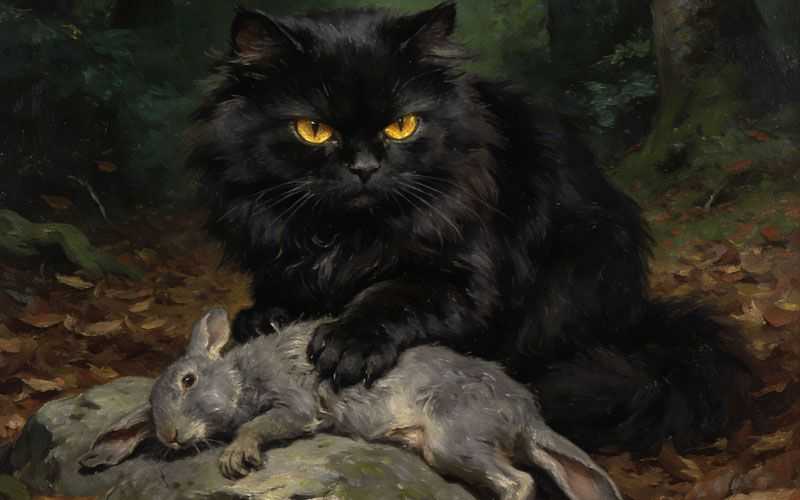
While not evaluating mitigation efficacy,researchers suggest containment strategies:indoor confinement,enclosed outdoor spaces,microchipping,and sterilization programs to reduce ecological impact.