Information
- Home
- cats
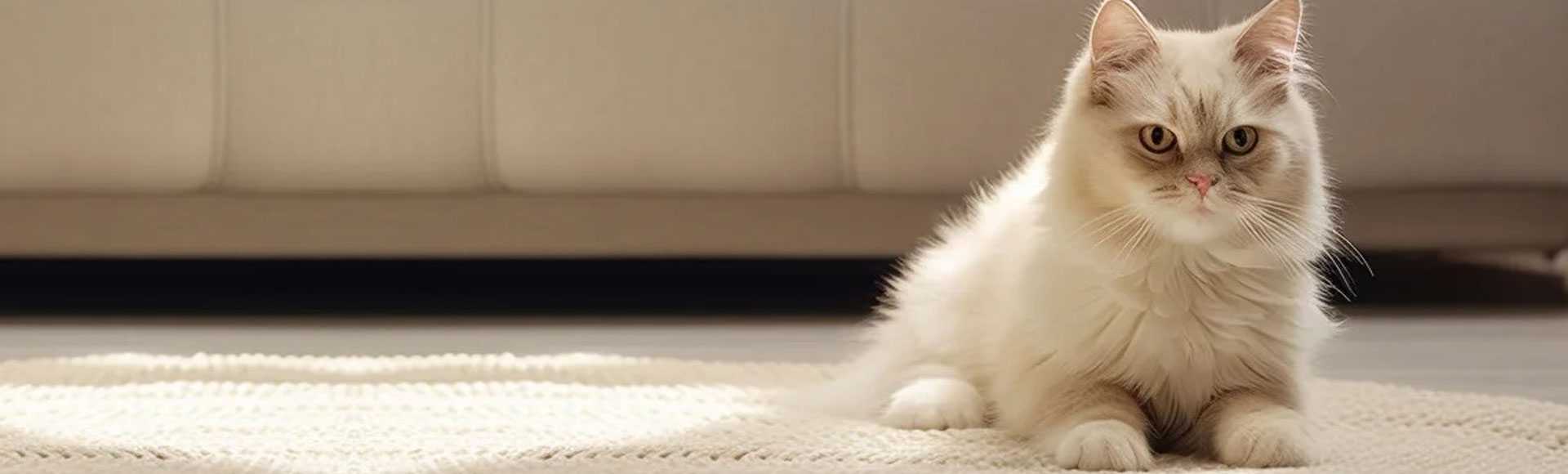
Nearly every cat parent believes they fully understand their furry companion—until their pet suddenly swats at them,bolts underneath the couch,or delivers an unexpected nip.These sporadic behavioral outbursts aren’t random accidents for the most part.Instead,they’re direct reactions to commonplace human routines that leave kitties feeling overwhelmed,confused,or anxious.
Dawn LaFontaine,a seasoned feline specialist and the founder of Cat in the Box,shared with Newsweek that a widespread misconception plagues countless cat owners.Most people assume our feline friends engage and socialize in the exact same way people or dogs do,which simply isn’t the case at all.
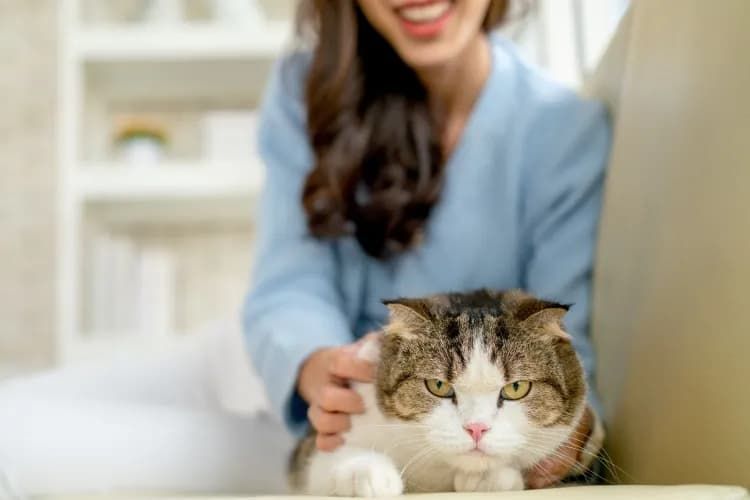
Cats do fall under the category of social creatures,yet their social needs are highly selective.The majority favor predictable,low-pressure exchanges over constant interaction.Whenever they feel overstimulated or misread by their owners,they’ll often isolate themselves as a coping mechanism.
According to LaFontaine,most conflicts that strain the bond between humans and cats happen completely unintentionally.The root cause is straightforward:owners apply social rules that work for human relationships or canine companions,which clash heavily with a cat’s natural instincts.
Listed below are five everyday routines that could slowly make your cat grow distant or develop dislike toward you.
1.Trying to Dominate All Interactions
The biggest error many cat owners make is attempting to initiate and control every single moment of contact with their pets.
“I always tell people that loving a cat is comparable to a middle school romance,”LaFontaine explained.“Half the time you wonder if they’re fond of you,and the other half,you have to play hard to earn their attention.”
Cats prefer to hold the reins when it comes to socializing.Constantly picking them up,approaching them unprompted,and petting them on your own schedule can feel invasive and stressful from a cat’s perspective.There’s a counterintuitive trick to build a better bond:sometimes,you just need to leave your cat alone.
Pet owners ought to let their cats take charge of interactions.When you back off and ignore them,your cat gets to decide when to come near you.If your kitty creeps out from under furniture or walks straight toward you,that’s their way of inviting contact—not a signal for you to immediately scoop them up or shower them with excessive attention.
Have you ever noticed why cats always fixate relentlessly on house guests who suffer from cat allergies?It’s usually because those guests naturally ignore the cat entirely,which is exactly what these animals crave.
2.Prolonged,Intense Eye Contact

For human beings,steady eye contact demonstrates focus and respect during conversations.However,the same behavior carries an opposite meaning in feline body language;extended staring is viewed as a threat or a direct challenge.
Pet experts suggest owners keep their glances short and soft whenever looking at their cats.
Cats show they feel relaxed and secure by slowly blinking their eyes.Mimicking this slow blink back at your cat helps strengthen mutual trust,while holding an unbroken stare will easily make them defensive and wary.
3.Overdoing Physical Affection
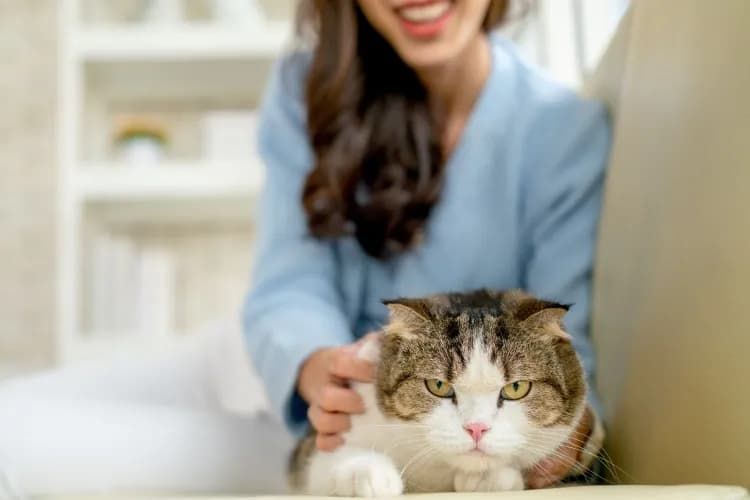
Humans instinctively want to touch and cuddle anything cute and comforting,but every cat has its own unique limit when it comes to physical touches.
While individual preferences differ across kitties,LaFontaine advises sticking to universally safe spots for petting at first—such as the top of the head,chin area and cheeks—until you learn your pet’s personal boundaries.
Cats send out subtle warning signs once they’ve had enough petting:flicking tails,rippling skin,or shifted ear positions.Regrettably,most people fail to pick up on these tiny clues.
Ending a cuddle session while your cat still seems relaxed and happy helps build positive long-term associations,instead of pushing them to the point of overstimulation and irritation.
4.Raising Your Voice
Many owners don’t realize they’re raising their voices or speaking sharply,yet even minor shifts in tone won’t go unnoticed by their cats.
Per research published by Cornell Feline Health Center,cats possess far sharper hearing than humans.They can detect sound frequencies up to 60 kilohertz,whereas the human maximum only sits around 20 kilohertz.This makes our feline companions extremely sensitive to loud,abrupt tones,which they interpret as frightening or stressful within a household setting.
Speaking in a calm,steady tone not only lowers a cat’s stress levels but also makes daily communication more effective.Gentle verbal cues always outperform loud scolding when it comes to guiding a cat’s behavior.
5.Scolding or Punishing Bad Habits
Using punishment to correct problematic behaviors ranks among the most harmful things an owner can do to their cat.
You might think scolding or disciplining your cat will help fix unwanted habits,but this corrective method should never be used on felines,LaFontaine emphasized.
Cats never act out aggressively without reason.Hissing,biting and swatting are always preceded by faint stress indicators that most humans overlook completely.
Tactics like shouting,spraying water,or physical discipline might stop bad behavior for a short time.Even so,these harsh methods will only heighten a cat’s anxiety and erode the trust it has in its owner over time.
“Punishment only teaches cats one single lesson:that their owner isn’t someone they can trust,”LaFontaine stated plainly.
Decoding Your Cat’s Behavior
At the end of the day,nearly all conflicts between cats and their owners stem from clashing communication styles,rather than the cat simply acting“misbehaved”.
Once pet owners adjust their unrealistic expectations and take the time to study and understand their cat’s subtle body cues,the bond between them will almost always improve dramatically.