Information
- Home
- cats
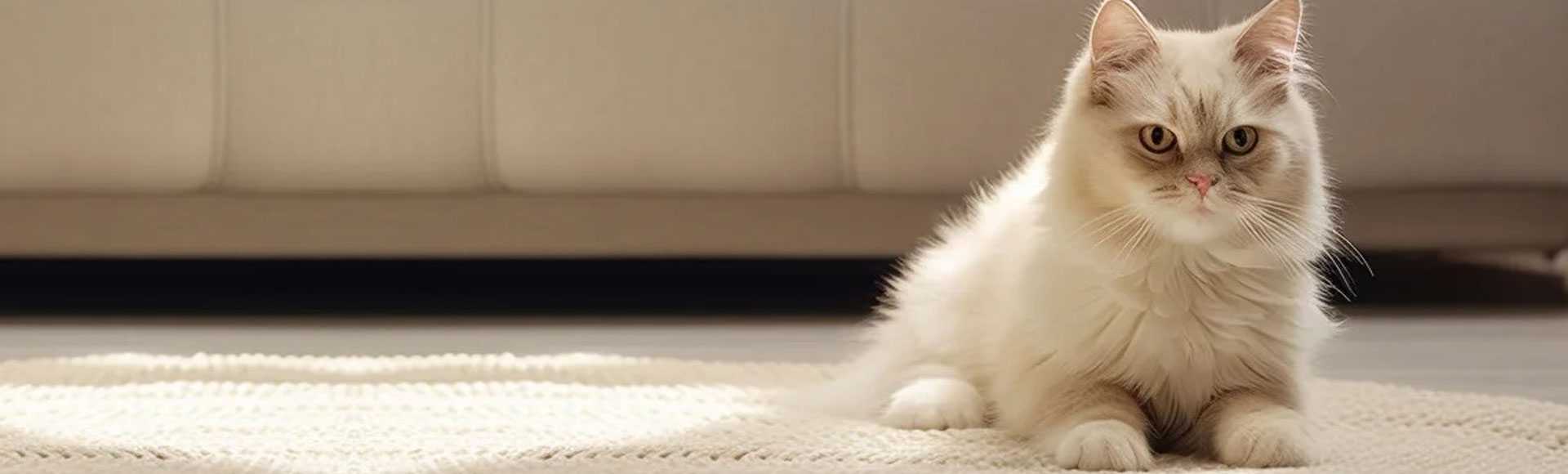
When tough days leave you drained,many pet owners instinctively turn to their cats,expecting a gentle purr or a warm nuzzle to wash away the tension.Yet emerging evidence indicates that while felines may contribute positively to general emotional health,their role in easing acute stress might not align with popular belief.
A research effort published in*Frontiers in Psychology*followed 188 pet owners across five days,collecting multiple daily questionnaires to assess how routine interactions with animals shaped mood and stress levels.Broadly,time spent with pets correlated with an uptick in positive feelings.But when the team zeroed in on moments of strain,there was scant support for the idea that pet contact lessened the psychological weight of those episodes.
Among those with cats,an unexpected trend surfaced:more regular engagement with their feline friends amid tense situations corresponded with a mild rise in unfavorable emotions.

Still,the investigators stress that this should not be interpreted as cats triggering distress or undermining mental health.Rather,it hints that the interplay among pets,feelings,and pressure is more layered than formerly assumed.
Dr.Annie Valuska,a Purina pet behavior specialist and certified applied animal behaviorist,advised caution when interpreting the cat-specific outcome in an interview with Newsweek.
"This work is being framed in some media as decisive'proof'that cats raise our tension levels,but to my mind,that misrepresents the study,"she remarked.
Valuska observed that the research still linked interactions with both dogs and cats to enhanced emotional states.Instead of demonstrating that cats worsen how people feel,she contended,the data simply suggests that pets might not serve as an instant stress buffer in every challenging situation.
The authors acknowledged they cannot pinpoint why this pattern was exclusive to cat owners,yet they floated several hypotheses.One theory is that individuals may actively look for their cats when they are already feeling pressured or distressed.In such cases,the interaction could mirror a preexisting mood rather than generate it.
They further proposed that cats and dogs might deliver comfort through distinct avenues.Canine companionship often entails walks,play,or shared physical activity,whereas feline bonding tends to involve quieter,less vigorous pastimes.This contrast might shape how owners perceive stress at the moment,though the researchers caution that additional exploration is needed to unravel why the pattern emerged solely for cat caregivers.
Unlike earlier investigations that relied on participants'recollections of past feelings,this study had subjects log their emotions,stress levels,and recent pet encounters multiple times daily.That approach enabled the team to record experiences as they happened.
Even so,Valuska warned against leaping to definitive judgments from a single piece of research.She noted that varied methodologies—like measuring hormonal markers of stress versus relying on self-reported emotions—can expose different facets of the human-animal connection.
She also pointed out that the feline-related effect was modest in magnitude.
"This suggests that this result is by no means the last word on the matter,and it ought to be treated with care unless and until follow-up studies can confirm it,"Valuska added.
For cat owners who might feel unsettled by these findings,Valuska reassured them that the study offers no grounds for changing their habits.
"If a cat owner personally derives comfort from spending time with their cat during hard moments,there's no reason to stop,"she said.
Rather,she recommended paying more attention to which kinds of interactions feel most restorative—whether that's active play,snuggling,or simply coexisting in calm stillness.
Ultimately,although the evidence indicates your cat may not instantly dissolve the residue of a tough day,it in no way undercuts the worth of feline companionship.The research instead underscores that cats can enrich emotional well-being over time,even if they don't always act as an immediate antidote to stress.