Information
- Home
- cats

Most cats live between 13 and 17 years,but with balanced nutrition,comprehensive preventative healthcare,and a safe living environment,many can live into their teens or even their twenties.
If you've ever wondered about your cat's lifespan or the general range for cats,the answer largely depends on your and your veterinarian's collaborative efforts—meeting your cat's needs throughout its lifespan in terms of nutrition,vaccinations,oral health,and environmental adaptation.
The average lifespan of a cat is 13 to 17 years.Some lucky cats can live to 20 years or more—the longest-lived cat known is a cat named Creme Puff,who lived an astonishing 38 years.
A cat's lifespan is influenced by several factors,including:
-Nutritional status:A comprehensive and balanced diet provides the cat with the nutrients,vitamins,and minerals needed for growth,development,and daily activities.This promotes normal organ function,strengthens the immune system,and maintains an ideal weight,laying the foundation for longevity.
-Lifestyle:A cat's lifestyle directly impacts its lifespan.Indoor cats typically live longer than outdoor cats,primarily because indoor cats are less exposed to harsh environmental factors and receive regular preventative healthcare from their owners.
-Preventative Healthcare:Cats that receive timely vaccinations and regular blood tests have their health problems diagnosed and treated more promptly.Furthermore,cats that regularly take preventative medications(such as flea,tick,and heartworm medications)are less prone to parasite-related diseases and generally live longer.
-Breed Differences:Lifespans vary between different cat breeds.For example,Siamese cats typically live longer than Maine Coons.Siamese cats generally have fewer health problems,hence their longer lifespan;while the larger Maine Coons are more prone to various health issues,thus affecting their lifespan.
-Thanks to hybrid vigor,mixed-breed cats typically live longer than purebred cats.When kittens are born from mating two cats with significantly different genes,the kittens are often healthier and have fewer genetic problems.
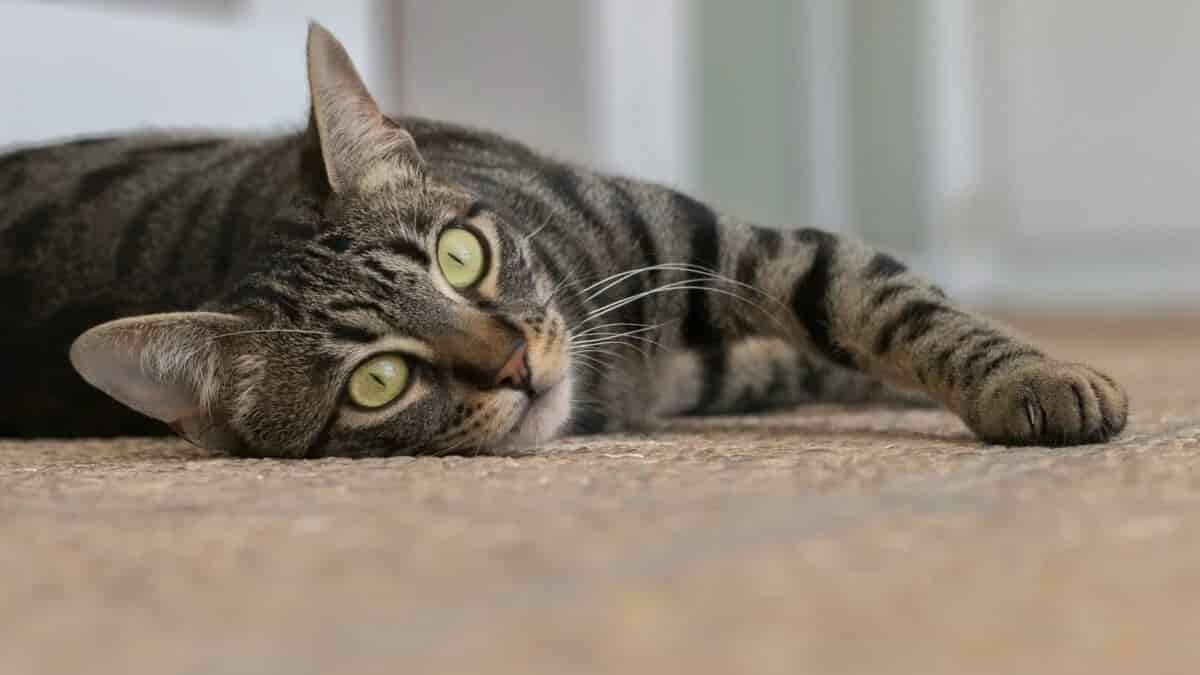
It's important to note that tabby cats are not a separate breed,but rather a coat pattern.However,their average lifespan is remarkably high,reaching 15 to 20 years.
-Genetic Factors:A cat's genetic makeup and susceptibility to certain diseases directly affect its lifespan.Genetic defects can shorten lifespan.Therefore,genetic testing is essential before breeding cats to reduce the risk of inherited diseases.
-Spaying/Neutering:Spayed/neutered cats typically live longer than unspayed/neutered cats.Unspayed/neutered cats have higher hormone levels,significantly increasing their risk of reproductive system cancers,thus affecting their lifespan.
Life Expectancy of Outdoor vs.Indoor Cats
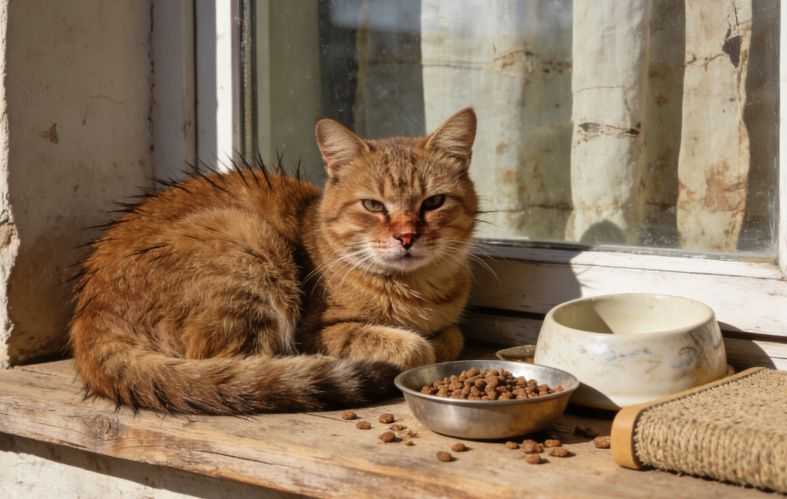
Unfortunately,outdoor cats or cats that frequently go outside have an average lifespan that is only about half that of indoor cats.Outdoor cats face numerous safety and health risks,including:
-Infectious disease infection:They may contract various infectious diseases through contact with wild animals or other cats;
-Risk of injury:They may suffer serious injuries from predator attacks or vehicle collisions;
-Parasite infection:They are susceptible to fleas,ticks,intestinal parasites,etc.,leading to related diseases.
While some cats may experience positive effects on their mood and behavior development when supervised by their owners(such as leashed walks or exploration within outdoor enclosures),most cats thrive in suitable,active indoor environments as purely indoor pets.
Domestic or purely indoor cats typically have longer lifespans,primarily because they are protected from common outdoor dangers and receive a stable,balanced diet and regular health care.
Care Focus for Cats of Different Ages
Kittens(Birth to 1 Year Old)
The core task for kittens is growth and development,and learning how to interact with their environment.This energetic and active early childhood stage is crucial for their future behavior and health.While most kittens can develop good potty and eating habits on their own,socialization training and providing ample play activities are crucial.This helps them establish positive behavioral patterns and reduces the likelihood of future behavioral problems.
A cat laser pointer is an excellent tool for developing a kitten's cognitive abilities and increasing its activity level,satisfying its hunting instincts through interaction.
Kittens need to be fed specially formulated growing-up cat food,as they grow rapidly at this age and require higher calorie intake to ensure healthy growth.
A qualified growing-up cat food label should include a nutritional adequacy statement from the American Association of Feed Control Officials(AAFCO),clearly stating that the food provides"all the nutrients a kitten needs for growth,"ensuring a comprehensive nutritional supply.
The kittenhood period is also a critical stage for the establishment and strengthening of its immune system.Timely protective vaccinations are essential,such as the feline triple vaccine(FVRCP),rabies vaccine,and feline leukemia vaccine(FeLV).Older kittens should be spayed/neutered around 6 months of age to reduce the risk of certain cancers and decrease behavioral problems such as urine marking and spraying.Young Cats(1-6 years old)
Young cats remain highly active,but their physical development has largely ceased.
During this stage,their calorie requirements decrease,and they should be switched to adult cat food.Proper weight management can reduce the likelihood of future health problems such as arthritis and diabetes.
Although cats in this age group have relatively strong resistance to disease,regular vaccinations and checkups are still essential.It should be noted that some diseases(such as asthma and feline lower urinary tract disease,FLUTD)are more easily diagnosed at this age.
Early detection of such health problems helps in implementing more effective long-term treatment;basic blood tests help establish normal ranges for the cat's health indicators,providing a basis for comparison as they age.
Adult Cats(6-10 years old)
Adult cats may gradually decrease their activity levels,play less frequently,and adopt a more sedentary lifestyle.
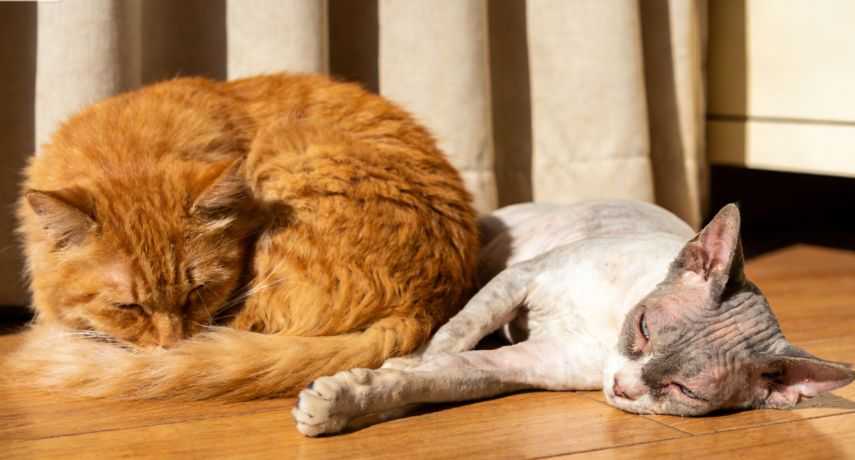
The cat's behavior may change,such as the frequency of litter box use and changes in nighttime activity levels.For example,some adult cats become more active at night and sleep more during the day;others who previously had good bowel habits may stop burying their feces or even defecate outside the litter box.
In such cases,a low,open litter box can be purchased for easy access,especially suitable for cats experiencing mobility issues.
Mobility difficulties in cats may be related to arthritis,cognitive impairment,or even early kidney or digestive system diseases.Therefore,adult cats should have a routine blood test annually to monitor early functional changes in organs such as the kidneys,liver,and thyroid.
Pet owners should closely monitor their cats'grooming behavior,hairball removal,and weight changes,while also paying attention to their oral health.Based on veterinarian recommendations,dental cleaning can be considered for cats in this age group,especially for those who are unwilling to cooperate with brushing.
If you can find a suitable pet toothbrush and toothpaste for your cat and maintain daily oral hygiene,you can reduce the need for frequent dental cleanings and continue to maintain your cat's oral health—provided that your cat can adapt to and cooperate with the cleaning process.
Senior Cats(10 years and older)
The transition from adult to senior cats exhibits significant individual differences.Some cats in this age group can maintain high energy and agility for many years,while others are more prone to various health problems.
It is generally recommended that cats aged 10 years and older have blood and urine tests every six months,as the health of their organs changes rapidly at this stage and requires timely monitoring.Senior cats are also prone to abnormal blood pressure,and high blood pressure can lead to serious consequences such as stroke and blindness.Therefore,including blood pressure monitoring in your cat's annual checkup is convenient and necessary.
Senior cats are usually slower than adult cats,which may be due to untreated arthritis pain.If your cat is not currently taking joint supplements,consult your veterinarian and consider adding products such as Nutramax's Cosequin feline joint supplement to help maintain joint health and alleviate mobility discomfort.
How to Extend Your Cat's Lifespan
While we all wish there were a magical way to make cats live forever,some diseases are unavoidable,and death is an inevitable part of life.However,pet owners can help extend their cats'lifespan and improve their quality of life in their later years through several methods:
-Timely vaccination:Timely vaccination,tailored to the cat's lifestyle,is crucial for preventing certain difficult-to-treat or even incurable infectious diseases.Note that even indoor cats need timely vaccinations to avoid potential infection risks.
-Early spaying/neutering:Unspayed/neutered cats have a significantly higher risk of developing life-threatening reproductive system diseases and cancers in their youth than spayed/neutered cats.Therefore,early spaying/neutering is an important measure to extend their lifespan.
-Consistent preventative care:Cats are adept at hiding disease symptoms.Therefore,annual comprehensive physical examinations and routine blood tests are highly beneficial for early detection and timely intervention of potential health problems.The more familiar the veterinarian is with the cat,the easier it is to detect subtle changes in their physical condition and behavior during examinations.Therefore,it is essential to communicate any behavioral changes in your cat to your veterinarian promptly,as these changes,even if seemingly minor,may be signs of health problems.