Information
- Home
- cats

Cat owners across Scotland are sparking outrage over a controversial proposal to limit where their pets can roam freely and hunt wildlife.A new report urging drastic action from the Scottish Government cites staggering annual figures:approximately 27 million birds killed by domestic cats,prompting recommendations that include mandatory indoor confinement and even potential ownership bans in certain zones.
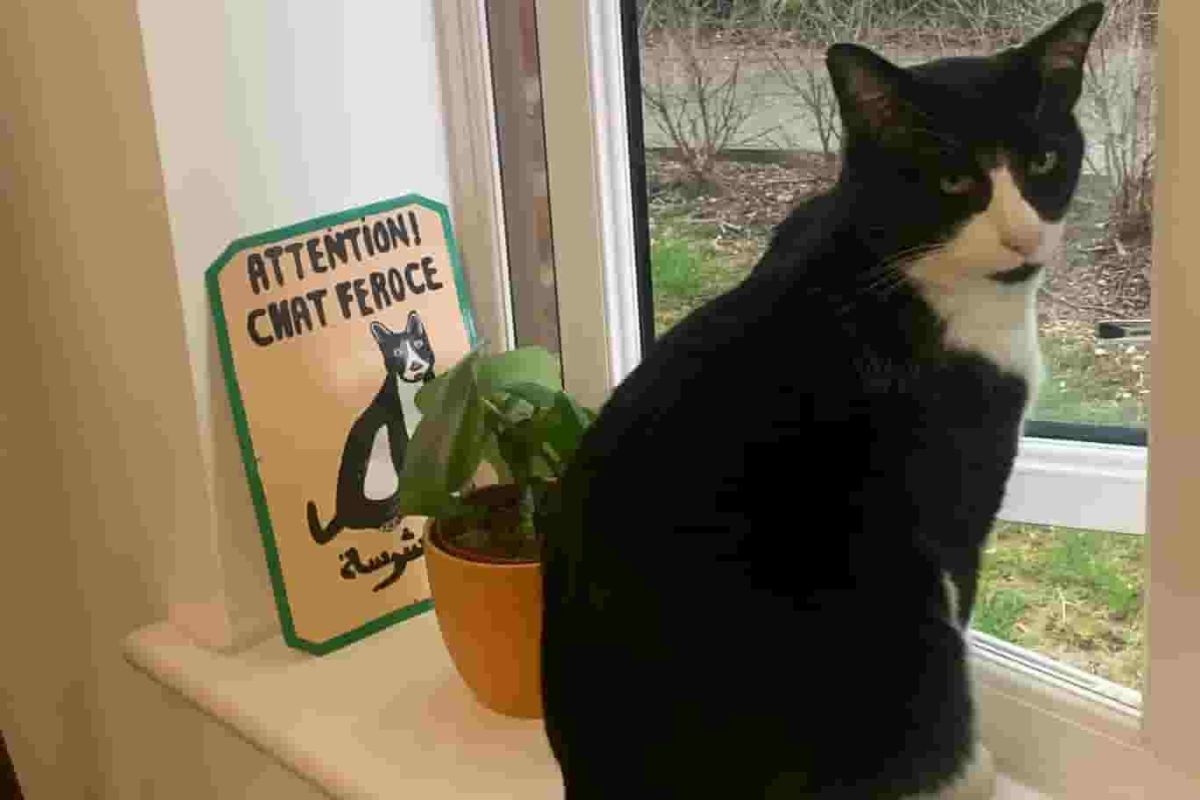
The Scottish Animal Welfare Commission(SAWC)has proposed establishing"cat containment areas"–specific regions where compulsory restrictions would prevent pet cats from roaming and preying on wildlife.According to their report:"Evidence confirms all cats significantly impact wildlife populations through predation and resource competition with vulnerable wildcat species.Several nations already mandate permanent or seasonal cat containment to protect wildlife.This approach could reduce the welfare impacts domestic cats impose on wild animals."
Australia has implemented similar containment zones,requiring cats to remain indoors.Owners there may only take cats outside on a leash or must construct secure outdoor enclosures for exercise.
However,Alice Palombo,Cats Protection's Advocacy&Government Relations Officer for Scotland,expressed concern that such restrictions in this"nation of cat lovers"could distress the country’s 840,000 pet cats."Ideally,all cats should have outdoor access,"she stated."Performing natural behaviors like scratching and climbing outdoors is essential for their happiness and health."Regarding leash walks,Palombo added:"Unlike dogs,most cats resist leashes and find prolonged restraint stressful.As territorial animals,they feel safest in familiar surroundings.Forced exploration of new environments is frightening without the freedom to retreat to safety or find hiding spots."

Titled'Responsible ownership and care of domestic cats in Scotland',the SAWC report stops short of demanding immediate government enforcement.It highlights UK research estimating cats annually bring home 57 million mammals,27 million birds,and 5 million reptiles/amphibians–despite these constituting just 4%of feline diets.One suggested measure is a complete ban on pet cats in areas housing critically endangered species.The report notes:"New rural housing developments could prohibit cats in conservation-sensitive zones with low historical predation,particularly habitats of red/amber-listed species."
Critically,the report emphasizes that cats often injure prey during play or return live wounded animals to owners.An estimated 300,000 birds die shortly after release by owners who believe them unharmed."Domestic cats also indirectly stress wild species,reducing reproductive success and population abundance,"it adds.
Palombo countered that cats provide invaluable companionship for the elderly,isolated individuals,and people with health issues,while teaching children empathy."Anyone capable of caring for a cat should enjoy these benefits,"she asserted.A Scottish Government spokesperson clarified:"The report does not recommend banning cats,and we will not ban them under any circumstances."
This debate follows the recent capture of a second pair of illegally released lynx near Dell of Killiehuntly.Tragically,one lynx died after capture using humane traps.Conservationists suspect a"frustrated activist"advocating lynx reintroduction may be responsible for the releases,as reported by The Scotsman.