Information
- Home
- training

Most pet owners teach their dogs the crucial"sit"command as their first instruction,but there are many other obedience training methods that are equally important.These basic commands not only help dogs improve self-control and develop good manners,but can even save their lives in certain emergencies.It's important to note that the core standard for"mastering"a command is that the dog can respond accurately regardless of how noisy the environment.Therefore,owners may need to continuously reinforce these skills throughout the dog's life.However,the training process is not only an excellent way to strengthen the emotional bond between owner and dog,but it's also often fun.
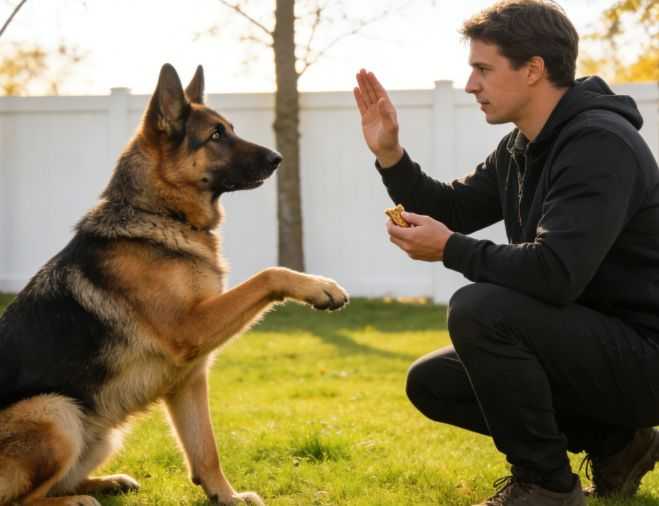
1.Training the"Down"Command
Many pet owners tend to overlook proper training for the"down"command,resorting to patting the ground to elicit a response.In fact,owners can use a simple test to determine whether the dog is genuinely responding to the"down"command itself or acting out of cues from the owner's body language.The testing method is as follows:Without giving any verbal commands,the owner simply bends down and pats the ground as usual during training.The dog will most likely immediately lie down.Then,the owner stands upright and verbally gives the"lie down"command without any body language;the dog will most likely not react.
In fact,mastering and training the important"lie down"command is not complicated.With systematic practice,the dog can respond accurately to a verbal command.The training steps are as follows:First,guide the dog to lie down as usual.After the dog completes the action,immediately reward it with a small treat,then let the dog return to the starting position for the next practice.In the second practice session,instead of placing your hand completely on the ground,the dog may become confused.At this point,the owner simply remains still and patiently waits for the dog to lie down voluntarily.After it completes the action,reward it with a treat again and let it return to the starting position.In subsequent practice sessions,gradually reduce the amount of hand guidance until the owner can stand upright and verbally give the"lie down"command while pointing to the ground,and the dog will quickly respond by lying down.After completing basic training,continuous practice in different environments is necessary to help the dog generalize the"down"command and ensure accurate response in various scenarios.
2.Solidify"Stay"Command Training
Some dogs can only execute the"stay"command in very specific situations,usually when the owner,due to anxiety,takes a few steps back while repeatedly saying"stay."To improve the dog's ability to execute the command perfectly,the owner needs to return to basic training.First,conduct training in the same area where you normally practice the"stay"command,but this time only verbally give the command once,rather than repeatedly—the ultimate goal is for the dog to execute the"stay"action when the owner is a considerable distance away,without needing to repeat the command aloud.
During training,take only a few steps back each time,moving in different directions,and gradually increase the distance you walk away from the dog.As the distance gradually increases,intersperse simple repetitions from time to time to reinforce the training effect.The training environment should be gradually expanded,starting with practice in various corners indoors,and then extending training to outdoor environments.Once your dog consistently executes the"stay"command both indoors and outdoors,you can introduce everyday distractions,such as retrieving dishes from the dishwasher or tidying up groceries,to encourage the"stay"command.The core goal of training is to integrate the"stay"command into daily life,preventing the dog from running off around and,more importantly,ensuring its safety in emergencies.
3.Cultivating Reliable Recall Ability
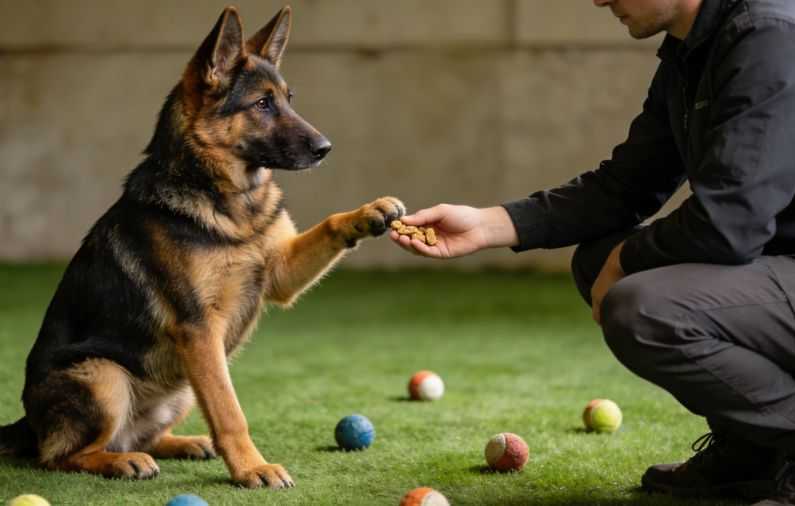
While training a dog to approach when called isn't difficult in a controlled environment,achieving a strong and accurate response to recall commands in real-life situations requires significant time and effort from the owner,establishing a strong association between the command and positive feedback.Many dogs interpret recall commands like"come"as the end of fun,thus ignoring the command instead of excitedly running to their owner.If your dog has a habit of ignoring recall commands,try a new,neutral word with no negative connotations as the new recall command to establish a stronger response.
The specific training method is as follows:Choose a neutral word you haven't used before(such as"come here").In a scenario where you're certain your dog will respond,begin indoors.First,verbally give the"come here"command once.Then,guide the dog closer by whistling,clapping,etc.Once the dog runs to you,immediately give it a special reward(such as chicken,cheese,etc.)along with plenty of praise.You can invite family or friends to assist with training by giving the recall command from different rooms indoors until the dog reliably and proactively approaches you every time it hears the command.It's crucial to maintain the association between the command and positive feedback;never use the recall command to call the dog to your side when you want to punish it.
Once the dog's response to the recall command is stable indoors,you can expand the training to outdoors.Practice with your dog in your yard first.Each time the dog accurately responds to the command,give it a generous reward and plenty of praise until the dog develops a conditioned reflex to the recall command and responds quickly and promptly.Reliable recall ability requires continuous reinforcement practice.Therefore,each time you give the recall command,give your dog surprise rewards and plenty of praise from time to time,so that the dog clearly understands that hearing the recall command and actively approaching will always receive positive feedback.
4.Conduct Anti-Pounce Command Training
Pounce by dogs is one of the most common problems faced by pet owners.Preventing dogs from jumping is difficult because dogs develop the cognitive ability from puppyhood to jump on people to attract their owner's attention(even if that attention is negative,such as angry scolding).Furthermore,when dogs are excited,their auditory sensitivity decreases,further exacerbating the habit of jumping.However,taking advantage of dogs'high attention to body language,there is a simple and effective training method that can teach dogs to automatically sit instead of jumping when encountering strangers.More importantly,owners can invite family and friends(including the elderly and children)to participate in the training,guiding the dog to form a"sit upon meeting"conditioned reflex.
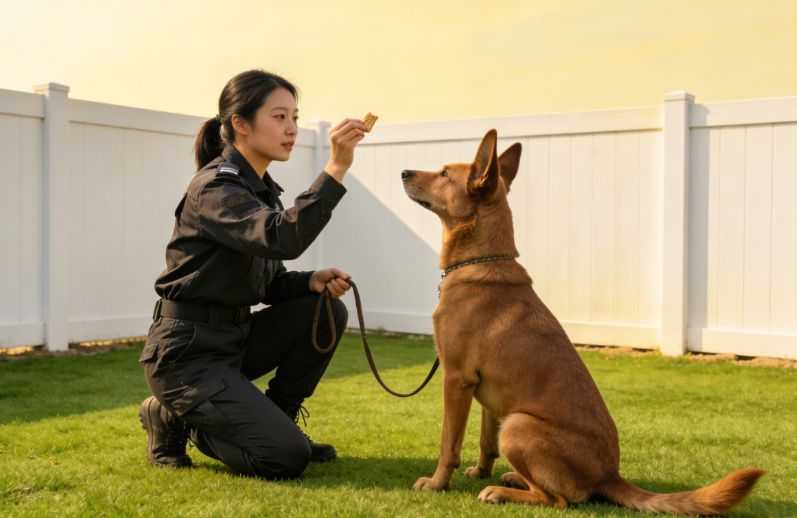
The core action of this anti-pounce command is simple,easy to understand,and easy to transmit:The owner stands upright with arms crossed in front of the chest.In the initial training phase,prepare delicious treats and bring the dog to a quiet indoor environment.The owner walks around the room and then stops.Knowing the owner has treats,the dog will likely automatically sit.The moment the dog's hindquarters touch the ground,immediately give the"Good!"confirmation command and reward it with a treat.Repeat this training process several times,practicing in different rooms within the house,focusing on areas with frequent guest traffic,such as the entryway,to reinforce the dog's scene memory.
After solidifying the basic training,you can invite a friend to assist with advanced training.Have your friend slowly approach the dog,keeping their arms crossed.The dog may pause briefly;if the basic training is successful,it will likely sit voluntarily.Immediately reward it with a treat and praise.This"crossed arms-sit"linkage training is a simple and effective way to prevent jumping and is also an important way to demonstrate good behavior and etiquette in your dog.