Information
- Home
- others

After five remarkable decades of tending to discarded creatures of all sizes,a Lincolnshire retiree marks this milestone.Pam Mansfield operates the Exotic Pet Refuge,a registered charity housing over 500 animals—from fish and monkeys to an alligator—in rural Lincolnshire.
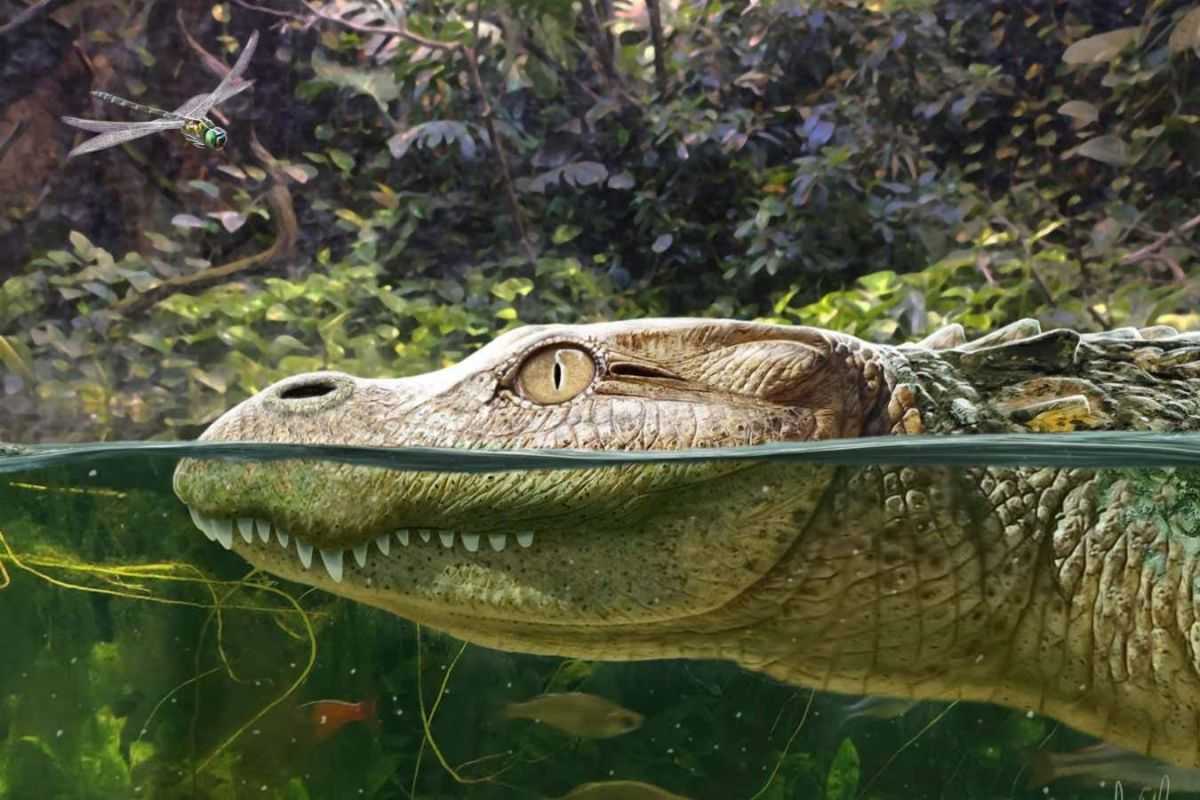
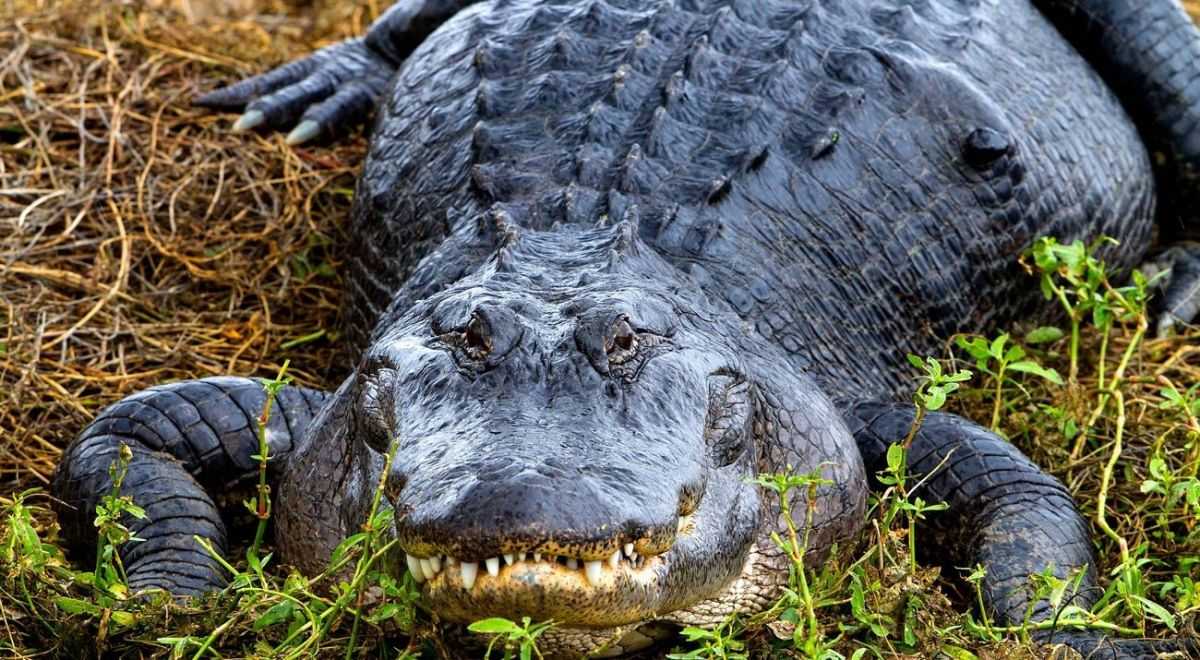
Regarding George the alligator,now basking in a heated enclosure beside a pond edged with mangrove-like plants,Pam,75,recalls:"He measured just 18 inches when we got him,but today he's 7ft.Generally docile,dinner time demands caution—he leaps up eagerly."Though the scene might evoke Florida's Everglades,it unfolds in Lincolnshire's cooler climate.George's diet features six whole trout as a favorite,though he also relishes deer,beef,and occasional chicken.
Pam's journey traces back to a 2002 call about a couple's son injured in a crash."We knew of lizards in his bathroom,"she says,"but nobody mentioned the blasted alligator!"Her animal passion ignited in childhood on her grandfather's farm,surrounded by creatures.Meeting her late husband Mel deepened this bond—his 2004 passing left her running the refuge with their son Darren,who handles high-need residents like George."Mel adored animals too,"Pam reflects warmly."Combined,our enthusiasm wasn't ideal—it just grew!"
Starting in Peterborough,Cambridgeshire,they nursed injured birds and small wildlife.As efforts expanded,so did the animals'sizes,prompting moves—first to Etton village,then 29 years ago to their current Deeping St James home,"literally engulfed by animals."Pam once cleaned pubs locally while Mel worked as an engineer."His wages covered us;mine funded the animals,"she shares."Often at 10 PM,we'd build new enclosures in the garden."
Vacations were impossible—we couldn't abandon our animals,"reveals the sanctuary founder.Currently,over 500 creatures reside at the refuge,including approximately 200 fish.
Mrs Mansfield notes a shift in sourcing:"Previously,zoos and councils nationwide sent us animals,but nowadays most come directly from private owners.We house everything—monkeys,tegus,snakes,tortoises,caimans,you name it.Currently,lizards are overpopulating us."
She explains these animals can't be rehomed due to licensing requirements under the Dangerous Wild Animals Act.Many arrivals result from impulsive ownership:"Prospective exotic pet buyers must understand the commitment.Consult experts like us or zoo staff before deciding."
Though assisted by her on-site son(who lives there with his family),Mrs Mansfield's routine remains relentless.Their team includes one manager and thirty volunteers."My mobility has declined,"she admits,"but I still contribute significantly."
Specialized care poses challenges:"Vets frequently consult London Zoo when treating rare species."Operating costs are steep—especially for George's heat lamps."Our monthly electricity bill hit£3,000,up from£2,300 last year,"she states,with food alone costing£5,000 monthly.Most meat is frozen,some sourced directly from slaughterhouses.
Rising living costs have intensified pressures:"Supermarkets now donate surplus to food banks instead of us.We take leftovers but still purchase substantial amounts."To sustain operations,the sanctuary hosts paid open days and relies heavily on inheritances.
Retirement isn't contemplated:"Animals are my life's purpose.Their suffering is unbearable,"she asserts.Regarding George in his custom enclosure,Mrs Mansfield—wary yet affectionate—shares:"Schoolchildren named him.He's a gentle giant,our beloved'big old boy'