Information
- Home
- others
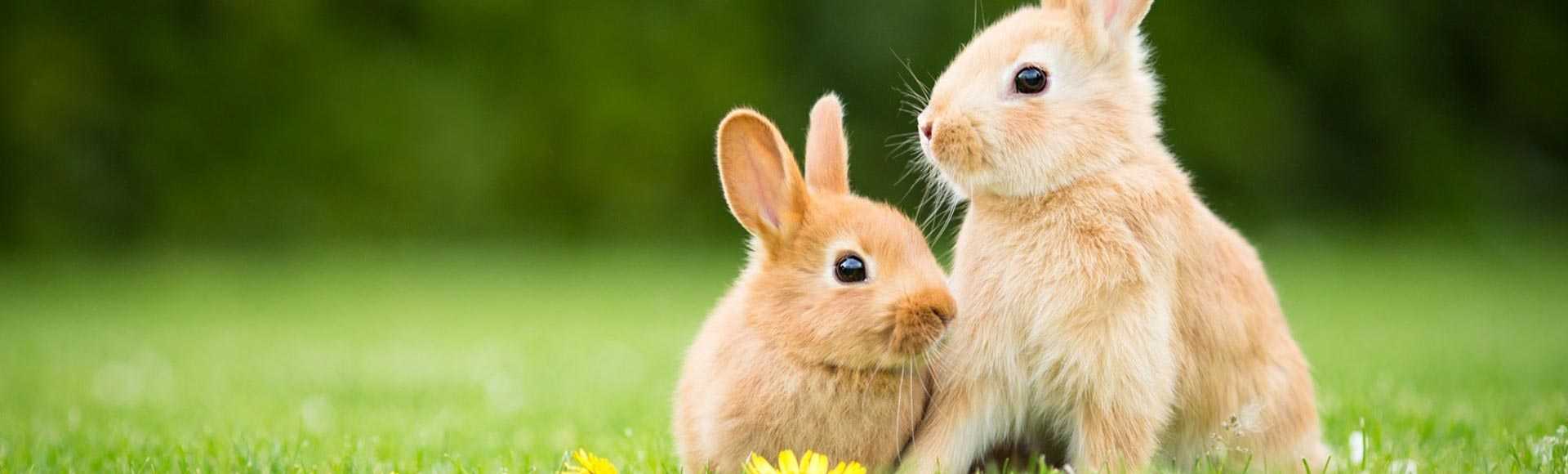
When you bring a new family member(puppy)into your home,grooming this furry little guy might not be your first priority.However,scientifically guiding a puppy to develop good grooming habits is crucial for raising a socially adept and healthy dog.
Whether you plan to groom your puppy at home or take him to a professional pet groomer,the following tips can help you ensure that grooming becomes a relaxed and enjoyable part of your puppy's life.
Core Benefits of Puppy Grooming
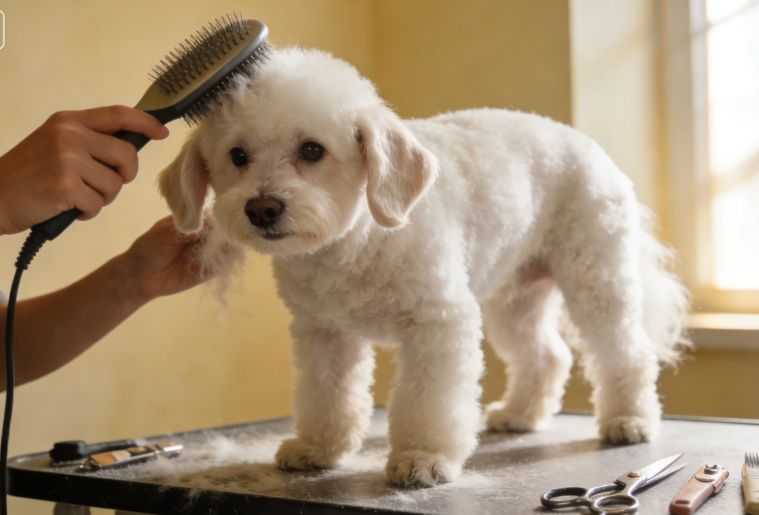
The main purpose of puppy grooming is to maintain the health and cleanliness of its skin,nails,and teeth.Routine grooming includes brushing,bathing,nail trimming,and dental care;long-haired breeds require additional hair trimming,and breeds with long or floppy ears may need regular ear cleaning.
Proper grooming offers numerous health benefits to puppies,including:
-Effectively preventing matted fur,avoiding skin infections caused by tangles,and even hindering local blood circulation;
-Promoting dental health,reducing the likelihood of dental diseases,oral infections,and tooth and gum pain,thereby reducing the potential risk of heart and kidney damage;
-Protecting puppies'paws from injury.Overly long nails are prone to breakage,and in severe cases,can embed into the paw pads,causing pain and infection;
-For certain breeds,regular ear cleaning can effectively prevent ear infections.
Beyond the physiological benefits,good grooming also has emotional value.When properly guided,grooming can become a relaxing and interactive activity for both owner and puppy,and is also an important part of puppy socialization training.
Furthermore,during grooming,owners or professional groomers can regularly and thoroughly check areas that are not easily inspected by the puppy normally.Grooms can often promptly detect ear infections,skin lumps,scabs,and signs of parasites such as fleas in puppies,allowing owners to take them to the vet for timely treatment.
When Should Puppies Be Groomed?
Once a puppy arrives home,owners can begin introducing it to grooming.This can be done by gently brushing its fur and touching its paw pads,helping it gradually become accustomed to being petted.During this process,it's crucial to focus on the puppy's comfort and avoid creating negative associations with grooming.
At the same time,owners can begin brushing the puppy's teeth.Initially,allow the puppy to smell and lick dog toothpaste,gradually transitioning to gently touching its teeth with a dog toothbrush,starting with cleaning a few teeth and eventually achieving a thorough cleaning of the entire mouth.
Precautions for Professional Puppy Grooming
If the puppy has completed all its vaccination boosters,it is recommended to take it to a professional pet grooming salon for its first professional grooming session when it is 12 to 14 weeks old.It's important to note that after four months of age,a puppy's ability to form positive associations with new things significantly decreases.Therefore,do not wait until all vaccinations are completed before introducing them to a professional grooming environment.
Long-haired breeds(such as Maltese,Yorkshire Terriers,and some Spanish Shepherds)and curly-haired breeds(such as Poodles,Poodle mixes,and Bichon Frises)may require professional grooming earlier to prevent excessively long and matted fur and ensure healthy skin.
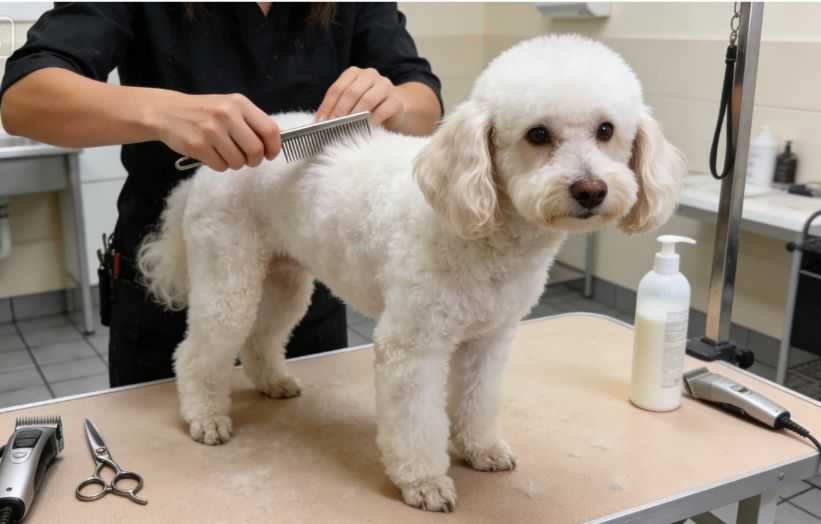
If the owner is proficient in grooming skills such as brushing,bathing,nail trimming,and teeth brushing,most daily grooming tasks can be done at home.However,even so,introducing a professional pet groomer during the puppy's socialization training phase is still a more prudent choice,preventing the puppy from developing a negative attitude towards professional grooming environments later in life.Regardless of the puppy's breed,it's crucial to guide them to form positive associations with various grooming procedures as early as possible.
How to Choose a Suitable Puppy Groomer
Choosing a professional puppy groomer is as important as choosing a veterinarian.Since puppies may spend a long time with their groomers,it is crucial to find a groomer who puts the owner at ease and makes the puppy comfortable.The specific screening methods are as follows:
-Prioritize checking online reviews and referencing recommendations from friends,family,and veterinarians to initially screen for reputable groomers and grooming establishments;
-Confirm that the pet grooming shop's opening hours and location meet your needs to avoid disrupting your grooming routine due to time or distance constraints;
-Before booking a grooming service,it is recommended to personally visit the grooming shop to ensure the environment is clean and tidy,the work areas are well-maintained,odor-free,and there are no safety hazards;
-Ask the groomer about the puppy's placement area between grooming sessions and before and after pick-up/drop-off.Some groomers allow owners to observe the process,providing a direct understanding of service quality;
-If you require breed-specific grooming services that meet breed standards,confirm in advance that the groomer is familiar with the grooming guidelines for that breed;
-If the groomer explicitly requires proof of vaccination for the puppy(including rabies,distemper,canine parvovirus,canine parainfluenza,and canine adenovirus vaccines),it indicates that the groomer and establishment prioritize the dog's health and safety,and should be given priority consideration.
How to Guide a Puppy to Professional Grooming
Before taking your puppy to a professional grooming salon for the first time,you can begin basic acclimatization training.Even if you are unfamiliar with the use of professional grooming tools,ensure your puppy is comfortable being touched,focusing on training it to accept touches on sensitive areas such as its nose,ears,abdomen,and paws.
This type of acclimatization training is recommended to be conducted using a"high-frequency,short-duration"approach,meaning multiple training sessions per day,each lasting no more than 5 minutes.Supplement these sessions with ample verbal praise and delicious treats to reinforce the puppy's positive responses.
On the day of your grooming appointment,you need to remain calm and avoid excessive tension—your emotions directly affect the puppy.If you are tense and anxious,the puppy will also become uneasy.When picking up and dropping off your puppy,avoid long farewells and remain calm and composed when taking it home.If the entire process is handled like a routine,the puppy's anxiety when facing subsequent grooming treatments will be significantly reduced.
If the owner notices any factors that might cause stress in the puppy,they should promptly inform the groomer.After grooming,it's essential to ask the groomer for feedback on the puppy's behavior so that targeted adaptation training can be conducted at home to prepare for the next grooming session.If the puppy continues to show fear of grooming,it's recommended to consult a veterinarian for professional guidance.
Main Contents of Puppy Grooming Services
The services offered may vary slightly between different pet grooming salons,but most groomers provide basic grooming services that include the following:
1.Bathing Service
Puppies,regardless of their coat type,need regular baths.Professional groomers typically use a massage technique when bathing puppies,washing from the head to the tail,usually avoiding the face and ears to prevent water from entering the ear canal and causing infection.
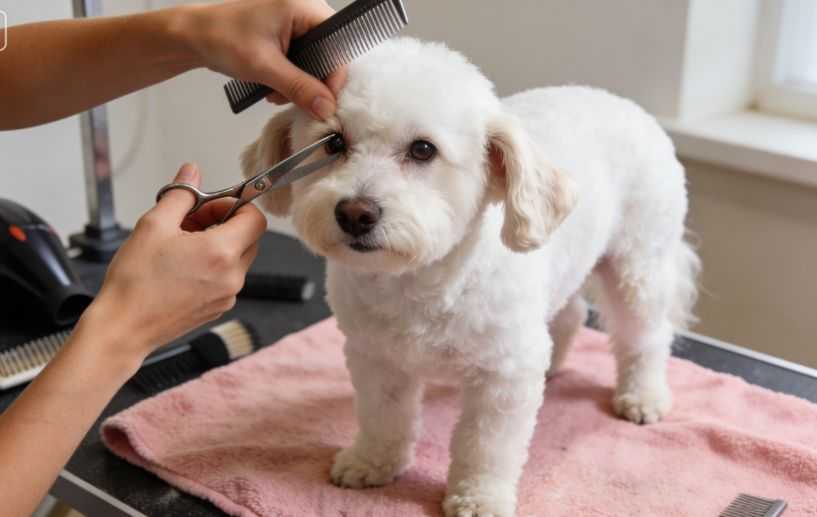
Using a shampoo specifically designed for dogs is crucial.Human shampoos are not formulated to suit the physiological characteristics of canine skin,and long-term use may damage the dog's skin barrier.After shampooing,the fur should be thoroughly rinsed to remove shampoo residue,followed by thorough blow-drying to prevent skin problems caused by dampness.
A separate bath service typically takes 30 to 40 minutes,but the exact time may vary depending on the puppy's coat condition and the equipment used by the groomer;in some cases,the drying process may take longer.
2.Nail Trimming
Similar to human nails,a dog's nails consist of a thick keratinous outer shell and a soft"suture line"(the area where blood vessels and nerves are distributed)located at the tip of the toe.For puppies with overly long nails,the groomer will use nail clippers or a special nail file to trim the keratinous outer shell,while also paying extra attention to...