Information
- Home
- dogs

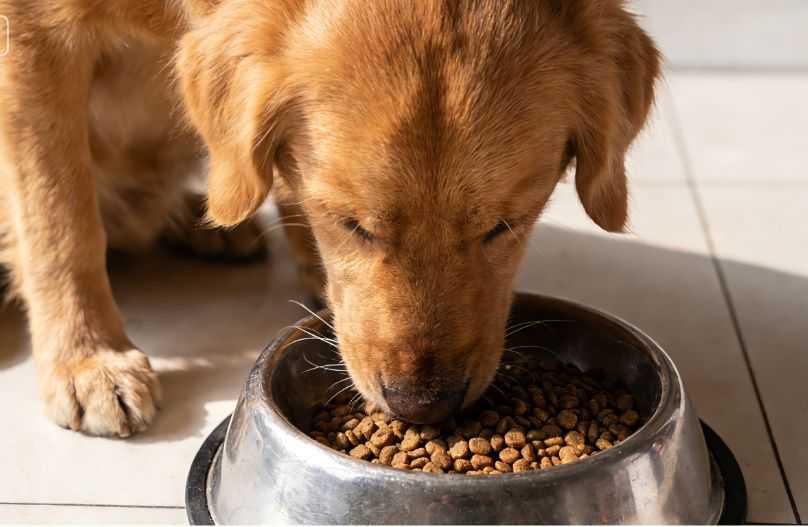
Feeding your dog an appropriate amount of high-quality dogfood is one of the simplest and most effective ways to maintain their health.Overfeeding can easily lead to obesity,while underfeeding can cause malnutrition.
If you are confused about"how much food to feed your dog,"this article will provide you with professional guidance.The following dog feeding guide can help you plan your feeding program scientifically.
Key Points:The appropriate amount of food for a dog is affected by many factors,including age,weight,activity level,and health status.

Prioritize the feeding recommendations on the dog food packaging,then consider the dog's size and follow your veterinarian's guidance for reasonable adjustments.
The nutritional needs of puppies,adult dogs,and senior dogs differ significantly;therefore,age-specific feeding guidelines should be followed.
Scientifically controlled feeding helps prevent canine obesity,which is closely linked to the development of many serious diseases.
Key Factors Affecting Dog Feeding Amount
The appropriate feeding amount for dogs is influenced by multiple factors,including:
*Age:Compared to adult dogs,puppies require more calories,protein,specific vitamins,and various nutrients for growth and development.
Size:Larger dogs generally eat more than smaller dogs.
Activity Level:Dogs with high daily activity levels need more food to meet their energy expenditure.
Reproductive Status:Spayed/neutered dogs require less calories than non-spayed/neutered dogs;pregnant or lactating female dogs need to consume more food to ensure the nutritional supply for themselves and their puppies.
Body Condition Score:Overweight dogs only need a reduced calorie intake;while underweight dogs that need to gain weight should have their feeding amount increased.

Dog Food Quality:Some dog foods have a high calorie and nutrient density,and small amounts can meet the physiological needs of dogs.
A dog's nutritional needs will change with age,lifestyle changes,or fluctuations in health status.It's important to understand that each dog and its feeding environment is unique;a feeding amount suitable for one dog may not be suitable for another.
How to Determine the Appropriate Feeding Amount for a Dog
Determining the precise feeding amount for a dog is not easy,but it can be scientifically calculated using several methods.The most basic and effective method is to consult the product label of the dog food.Dog food packaging usually includes feeding guidelines,providing specific feeding suggestions for that particular brand of dog food.
Additionally,a calorie calculator can be used as a supplementary tool,but the results are only estimates.A dog's actual nutritional needs may deviate from the estimates by up to 50%.

Body condition assessment is an effective means of fine-tuning feeding amounts.At the same time,owners should always maintain close communication with their veterinarians to obtain professional guidance.
Healthy adult dogs are relatively easy to feed.Their growth and development have largely stopped,and their nutritional needs remain relatively stable unless there are significant changes in their living conditions.
When determining the feeding amount for an adult dog,weight is the most critical factor to consider.
Feeding amounts should be set based on the dog's ideal weight.If the dog is currently overweight,its ideal weight should be lower than its actual weight;if the dog is underweight,its ideal weight can be slightly higher than its actual weight.Owners can weigh their dogs when taking them to the vet and record any weight changes;alternatively,they can purchase a pet-specific scale to monitor their dog's weight at home.