Information
- Home
- cats
The longstanding bond between humans and felines stretches back through history—yet how deeply are our cat companions truly connected to us?Research reveals that while dogs often seek constant reassurance from people,cats tend to be far more self-reliant and may turn to a stranger just as readily as to their owner.
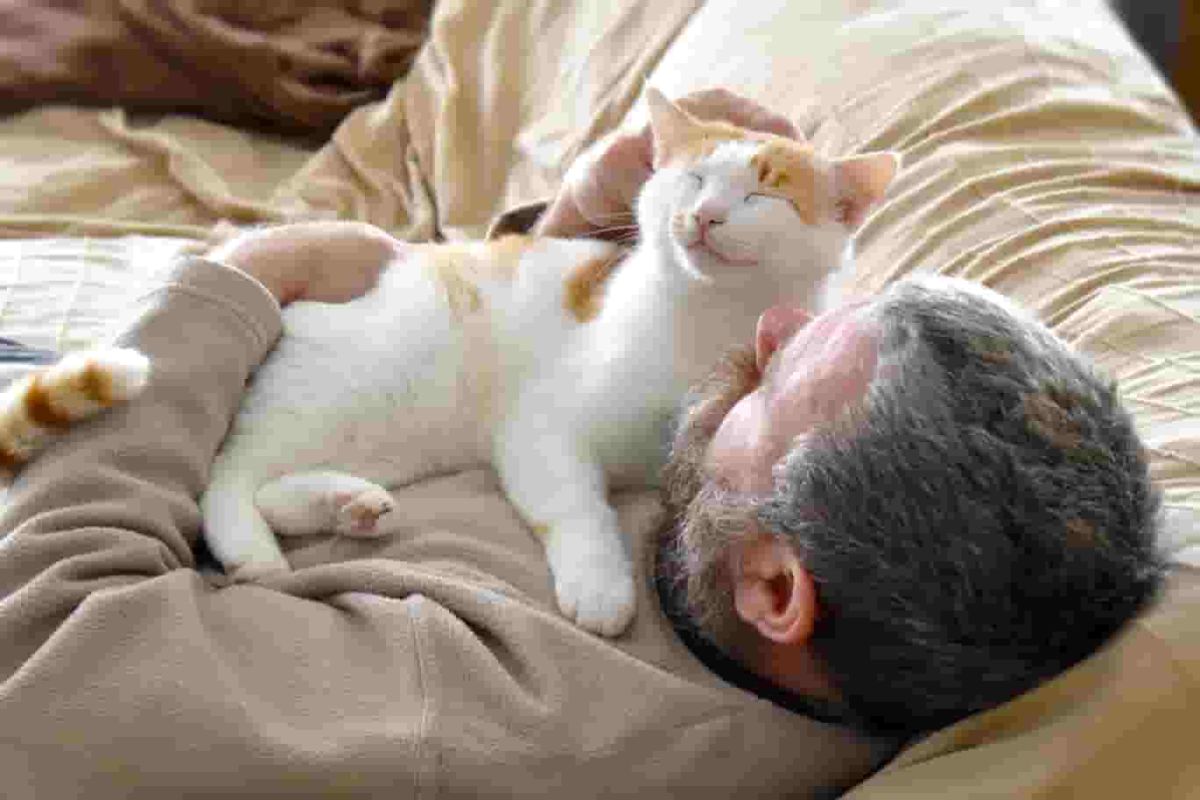
One challenge in studying human-cat relationships is that household cats usually resist being tested in labs because they dislike leaving familiar environments.To address this,scientists from Eötvös Loránd University in Hungary observed 15 therapy cats—trained to feel comfortable in new settings—alongside 13 ordinary pet cats.Each cat was placed in a room to see how it behaved around its owner versus an unfamiliar person.
Published in Applied Animal Behaviour Science,the findings indicated that therapy cats showed similar levels of friendliness toward strangers and owners,even when the owner stepped out.Companion cats,meanwhile,displayed little reaction to either person.
The study detected“no evidence of attachment to owners in any cat group,”including among“highly sociable and affectionate individuals.”It concludes that cats have not evolved to form“dependency-based bonds with people.”
Lead researcher Dr.Péter Pongrácz explained to The Independent:“Cats have built a successful coexistence with humans,offering mutual emotional benefits.But while dogs developed dependence through domestication—creating an asymmetrical relationship—cats retained their independence,remaining capable predators.Thus,from a biological standpoint,the classic attachment bond with an owner holds little relevance for cats;they live alongside people as‘equals.’”

He added:“Our experiment’s key innovation was testing therapy cats,which are calm in unfamiliar places with unknown people.This allowed us to use the‘strange situation test’—like with dogs—without causing high stress.We found these friendly cats did not respond differently to owners versus strangers,a necessary condition for attachment.”
To assess animal dependency,researchers typically measure three aspects:how closely the pet stays near the owner,signs of anxiety during the owner’s absence,and receptiveness to a friendly stranger.Previously applied to dogs,the“strange situation test”confirmed that dogs often develop a child-parent style reliance on their owners.
Attachment behaviors usually include staying within a meter of the owner,maintaining visual contact,and engaging in play when encouraged.In this study,however,cats showed minimal variation in how they interacted with their owner compared to a stranger.