Information
- Home
- cats
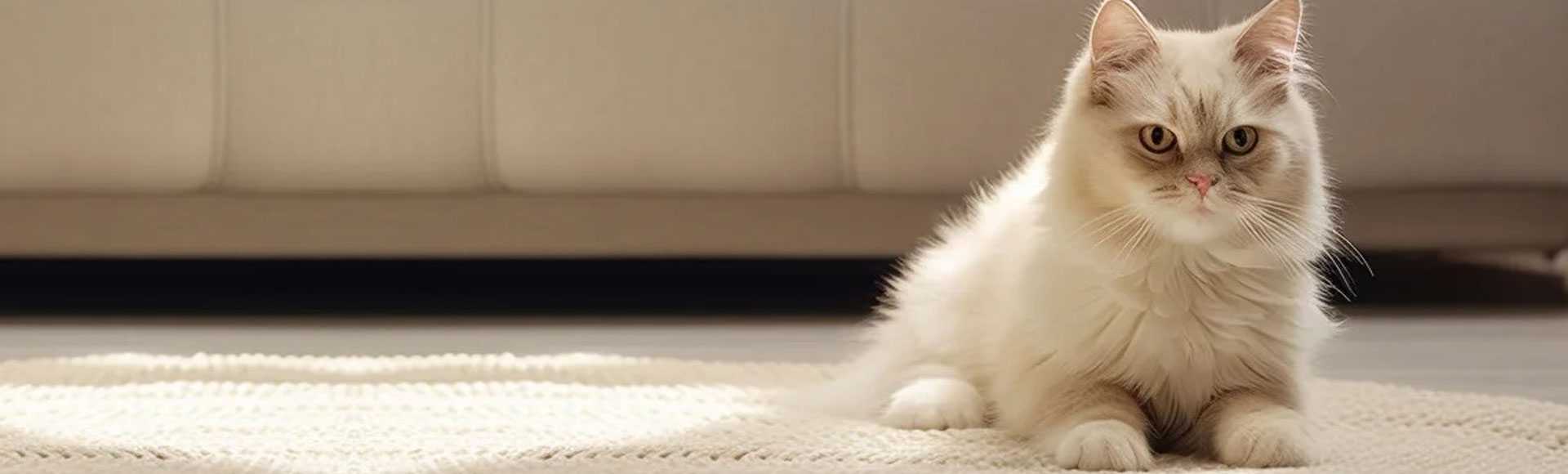
If you have ever listened to cats engaging in mating you may be curious about why the sounds produced during this process sound more similar to an aggressive fight between cats that includes screaming,clawing and howling rather than simply having a cute,pleasant time playing together.Although the loud caterwauling may alarm you,there is no reason to panic(we're sure the poor unfortunate female cat does not intend to create alarm with her yelling!).
To help you better understand why these felines act the way they do,we called in a certified Cat Behavior Consultant and a Veterinarian to give us the scoop about these literal scream queens!
Why Are Female Cats Screaming When They're In Heat?
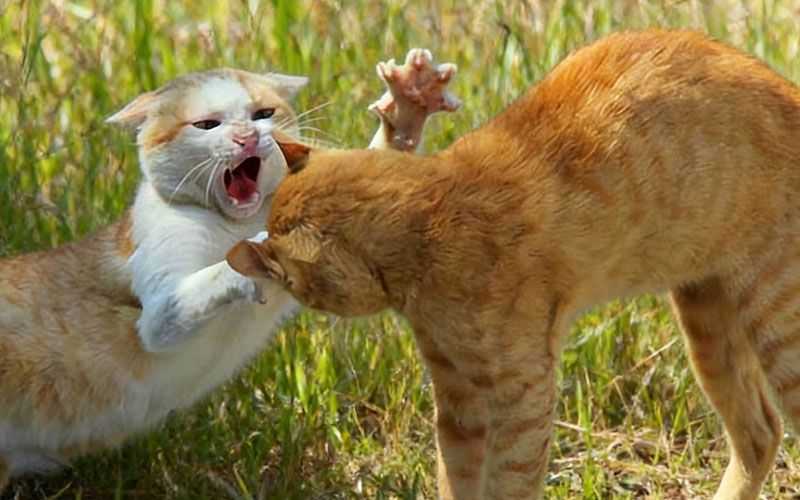
Some females might actually start to scream before they even mate!To fully explain what's going on,we should discuss some basics about how cat reproduction works.
Unspayed females(queens)may go into heat,during which they become receptive to male cats for mating,as young as four months of age according to The Merck Veterinary Manual.Queens may go into heat multiple times during the same breeding season;this period is available for almost all indoor cats from February through October(hopefully you can see that this covers almost the entire year!).
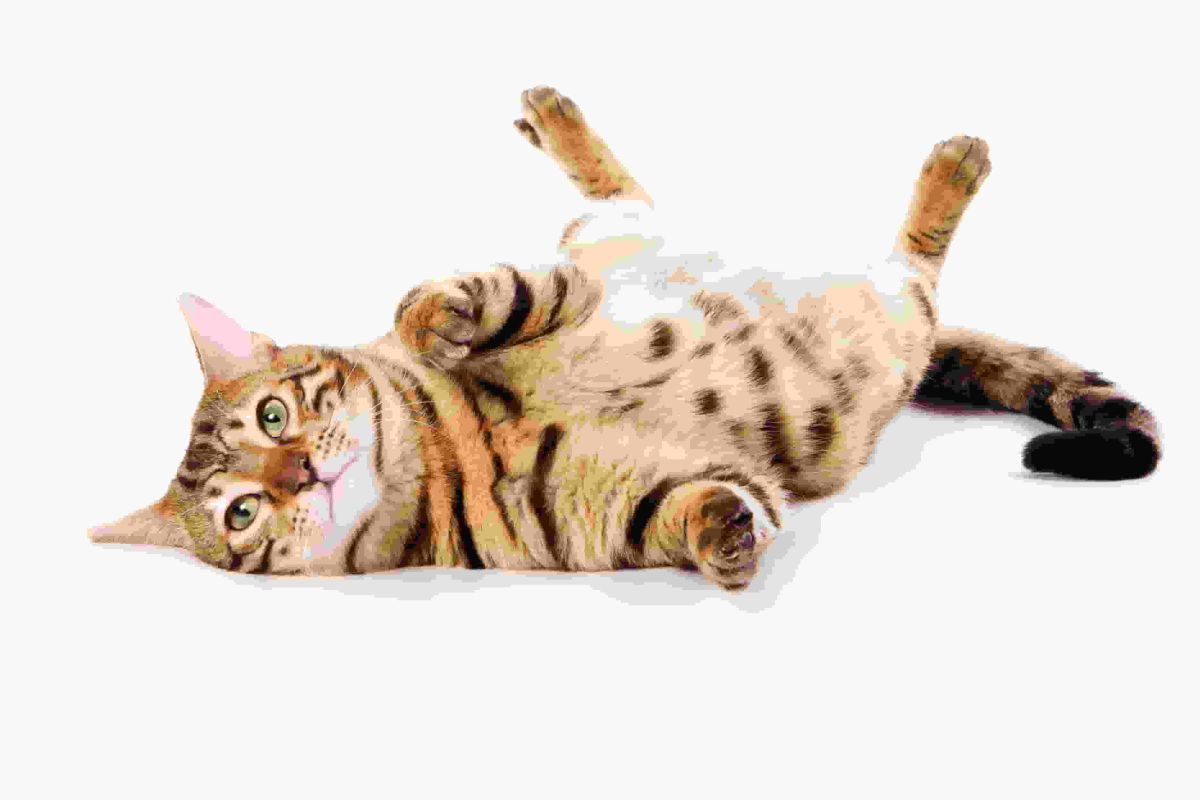
Some female cats show signs of being in heat(estrus)by acting in a way that encourages males,such as meowing loudly.According to Merck,when female cats go into heat,they exhibit the following signs:Rolling on the ground,rubbing up against objects,kneading with their back feet and making loud sounds(yowling).These behaviors can be interpreted as marketing strategies to attract a male partner.A vet recommended taking your female cat to the vet if any of these signs occur after mating.
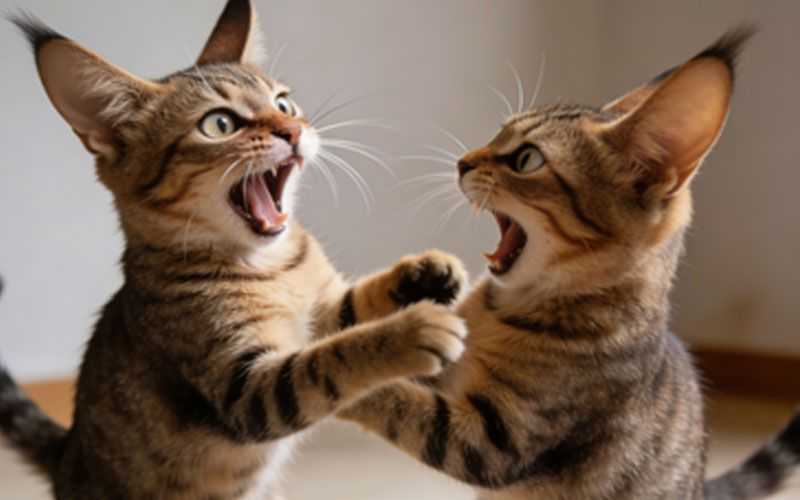
Pam Johnson-Bennett,author and owner of Cat Behavior Associates,notes that female cats scream after mating because they are induced ovulators.Ovulation does not occur naturally for female cats until they are bred,due to the nature of induced ovulation.The Penn State University vet program also notes that the male's penis has spiny barbs that irritate and injure the female's vagina.Thus,this explains why queens scream afterwards.Female cats may also exhibit aggressive behavior,attempt to escape from males,etc.,during copulation by using their sharp claws.
Cat mating tends to be a straightforward and efficient(if not exactly quiet)process,but problems can arise.
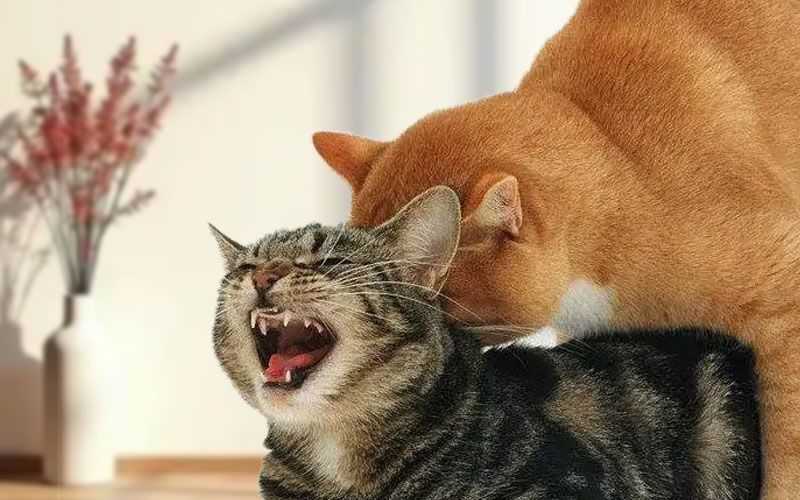
Laura Moon,DVM,from Green Hills Veterinary Clinic in Moberly,MO,states that any abnormal discharge or lethargy should always be a reason for a visit to the veterinarian."It is also possible in very rare occasions to encounter a female cat that has been bred too aggressively,"Moon explains."These cats can become very uncomfortable and may experience prolapse of the rectum and/or vulva due to the pressure of straining."
If your cat appears to be avoiding you or your home due to wanting some space,there is no need to worry.As noted by Merck,females("queens")naturally require solitary time following breeding to assess their experiences of it.During this time,queens often exhibit rolling or grooming behavior.
In addition to exhibiting signs of pregnancy such as an increase in appetite,a larger abdomen,and swollen mammary glands,a cat may also experience similar changes during a false or pseudopregnancy,as explained by Merck.
Approximately 30 days after a cat is bred,you should be able to determine whether or not she is actually pregnant.At this time,Moon indicates,we can conduct an ultrasound to see if she is pregnant.Around 60 days after the initial mating,we can perform an x-ray to count the number of kittens involved.The gestational period for cats is approximately 60 days,so by the time you are able to count the kittens,it is practically the kittens'birthday!
According to Moon,the majority of cats don't require aid while delivering their litters or via C-section,as this type of assistance isn't common amongst felines.Cats can give birth naturally,just like their wild relatives.
Another point of interest is that unspayed females can have three litters a year,with an average litter size of four.This means that one unspayed female can potentially produce 12 offspring in one year.Also,the Spay and Neuter Action Project estimates that two unaltered animals mating can create up to 400,000 descendants in a six-year period!Therefore,you should discuss spaying and neutering with your vet as soon as possible!