Information
- Home
- cats
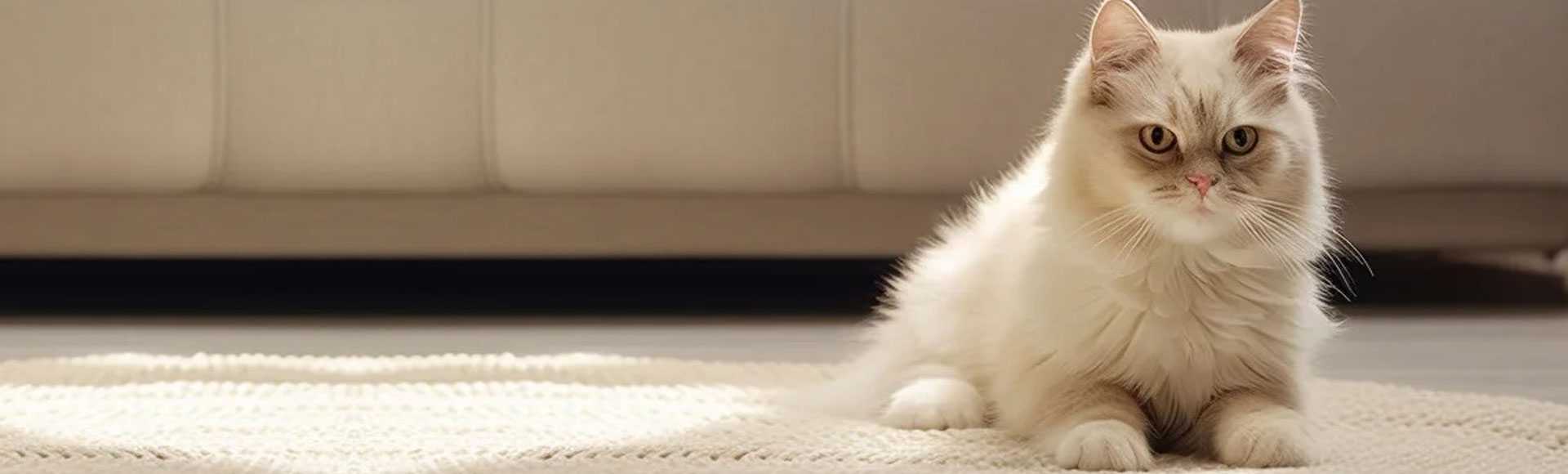
Have you ever spotted your kitty dozing atop a bookshelf or sprawling lazily on the bathroom tile,puzzling over why it turns its nose up at that pricey pet bed you purchased?
This is a common confusion shared by countless cat parents.Our feline companions can sleep as long as 16 hours each single day,picking all sorts of bizarre resting places that make zero sense to us humans.Nevertheless,animal specialists explain these seemingly arbitrary decisions are rooted in innate animal instincts.
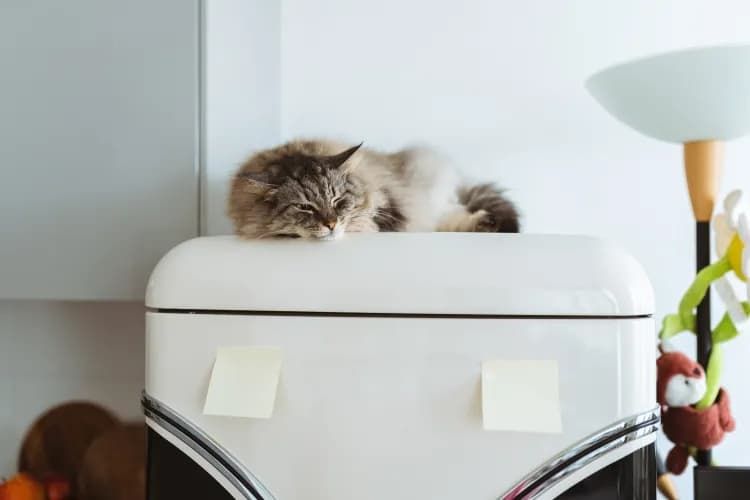
Michelle Bernstein,an animal forensic behavior specialist working with Switch4Good,shared with Newsweek that every feline boasts its own distinct character,and the places they prefer to rest can perfectly mirror their sense of safety and overall comfort within their living space.
###What Makes Cats Adore High Perches
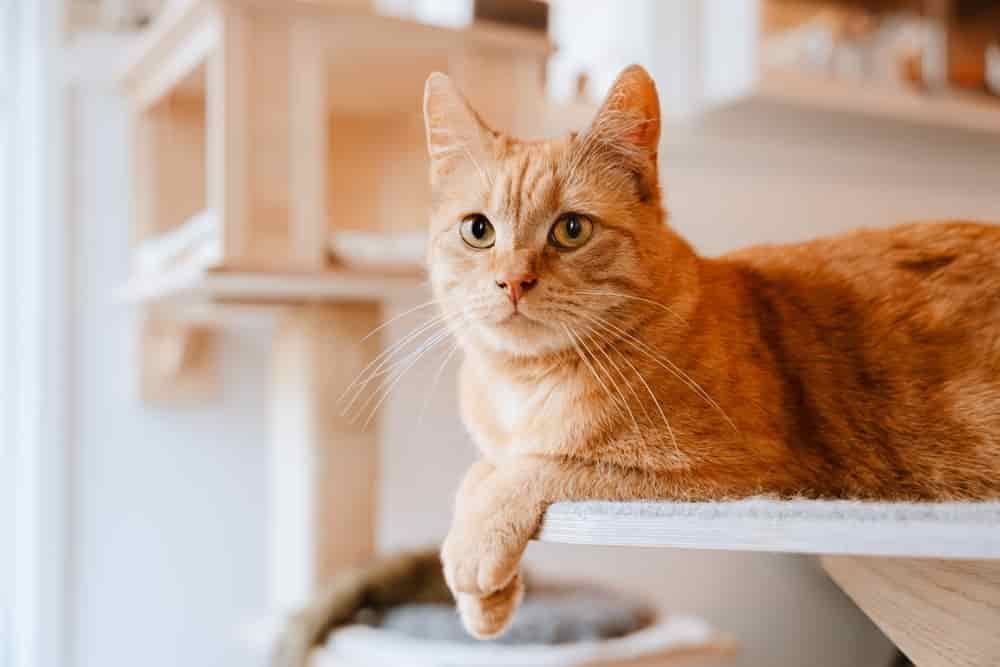
If your furry friend always picks the top of your refrigerator,book shelf or window ledge instead of its dedicated bed,primal instinct is most likely the main culprit behind this habit.
Bernstein pointed out that cats opt for elevated resting areas primarily for self-protection.Higher ground grants them a panoramic view of everything going on around their territory.
By settling up high,kitties are able to keep an eye out for all kinds of disturbances—be it a barking dog,energetic toddlers running around,or random sudden movements inside the house.Professionals state this habit isn’t a red flag for anxiety;it’s just a natural survival trait hardwired into their DNA.
This viewpoint matches the professional advice released by PetMD.The platform mentions that cats act as both hunters and potential prey in nature,which is why elevated spots inherently make them feel more protected.
###The Hidden Comfort of Boxes&Laundry Containers
Nearly every cat owner has walked in on their pet curling tightly inside a cardboard box,laundry basket,or squeezing into narrow gaps behind household furniture.While it just looks like simple hiding to us,Bernstein revealed enclosed spaces bring dual benefits of coziness and safety to cats.
The animal behavior expert further elaborated:“Felines choose tight,enclosed spots to sleep for three core reasons:protection from dangers,extra warmth and easing built-up stress.These compact spaces can shield them from any potential hazards in their surroundings.”
Cats maintain a slightly higher body temperature compared to humans.Closed-off areas trap their body heat effectively and block cold drafts.You’ll often notice cats in stressful environments—such as animal shelters or unfamiliar new residences—gravitating toward these confined spaces,as the gentle squeezing pressure has a soothing effect on their nerves.
###Sinks and Bathtubs:Underrated Sleeping Spots for Cats
To human eyes,hard sink basins,bathtubs and cold tiled floors sound like terrible places to rest.For cats,however,these spots serve highly practical purposes.
Aside from offering a subtle enclosed feeling,these hard surfaces stay cool far longer than soft fabric beds and carpets.Felines regulate their body temperature by choosing different resting surfaces,which explains why cool ceramic sinks and glossy tiles become their go-to napping spots especially during hot days.
###Why Cats Pick Annoyingly Inconvenient Sleeping Areas
When your cat stubbornly naps in the middle of the hallway or right in front of your door,there’s more to this behavior than merely getting under your feet.
According to Bernstein,these high-traffic spots let cats stay alert to their surroundings and easily oversee every corner of their territory.
In most cases,kitties position themselves in these locations so they can keep track of people’s movements around the house while still getting their much-needed rest.A cat’s sleeping spot is never fixed;they switch between multiple resting areas based on ambient temperature,surrounding noise,and how safe they feel at any given moment.
“Cats alter their sleeping positions or locations according to temperature changes,safety concerns,territorial competition(especially in multi-cat households),or just personal comfort,”Bernstein explained.
Since cats are extremely vulnerable while asleep,a kitty that feels relaxed enough to nap in unusual exposed spots is essentially showing that it fully trusts its owner and home environment.
###Warning Signs Hidden in Changed Sleeping Patterns
Odd napping locations alone are rarely a cause for alarm for pet owners.That said,sudden,drastic shifts in a cat’s daily sleeping routine deserve your attention.
Bernstein stressed that if a cat suddenly starts hiding nonstop or isolates itself from everyone,this behavior usually indicates it’s feeling stressed,physically unwell or in discomfort.
Pet owners should also monitor their cat’s appetite,daily grooming routines and resting postures.Any abnormal changes to their regular habits may hint at underlying physical illnesses or unresolved behavioral troubles.
The American Veterinary Medical Association also confirms that excessive hiding and social withdrawal among felines are typical symptoms of chronic stress or unmet living needs,requiring owners or professional veterinarians to intervene in a timely manner.
“Cats thrive on fixed daily routines,”Bernstein added.“Any break from their normal habits is a clear warning sign that something is off.Learning your cat’s regular behaviors and being able to tell what’s normal for them is essential for responsible pet care.”