Information
- Home
- cats

Felines possess an innate capacity to mask illness,allowing underlying pathologies to progress substantially before caregivers detect abnormalities.Altered feeding patterns serve as a crucial clinical indicator,with partial or complete anorexia arising from multifactorial origins.Pathological contributors encompass renal impairment,pancreatic inflammation,foreign body ingestion,neoplastic processes,odontopathic conditions,urinary tract disorders,and degenerative joint disease—all potentially inducing feeding aversion.

Beyond organic disease,psychological wellbeing significantly modulates feline hunger responses.Environmental stressors including relocation,introduction of novel household members(human or animal),or habitat alterations may profoundly suppress appetite.
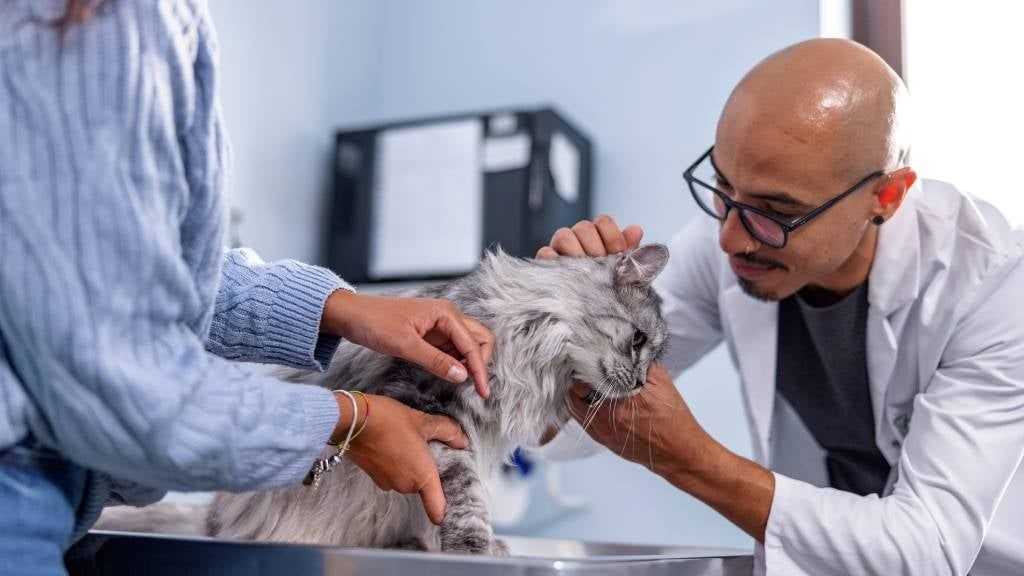
Given that appetite disturbance frequently manifests only during advanced disease progression,meticulous monitoring of consumption behaviors proves imperative.Guardians must initiate veterinary consultation upon observing primary feeding anomalies.
Determining Veterinary Intervention ThresholdsAppropriate clinical assessment timing exhibits individual variability.Establishing behavioral baselines remains essential.While fastidious felines may periodically omit meals without concern,others demonstrate intake reduction following episodic emesis secondary to trichobezoars,phytophagia,or idiopathic triggers.
Chronic upper respiratory afflictions often correlate with appetite diminution during nasal obstruction phases.Owners recognizing such patterns may reasonably defer veterinary evaluation for transient appetite fluctuations consistent with established norms.
Perils of Acute Feline Mass ReductionUnmotivated nutritional abstinence exceeding 24-36 hours—despite adequate hydration—necessitates professional evaluation.Severe,potentially fatal sequelae may develop from complete anorexia persisting>48 hours or partial anorexia continuing>2 weeks.
Appetite suppression precipitating≥30%body mass loss proves exceptionally hazardous in obese felines.Adipose-centric metabolism initiates hepatic lipid mobilization,precipitating steatosis.Subsequent hepatic lipidosis may progress to organ failure when hepatocytes become overwhelmed by fatty infiltrates.
As obligate carnivores,cats exhibit absolute protein dependence unlike omnivorous species.Protracted protein deprivation accelerates hepatic lipidosis pathogenesis.Certain conditions like diabetes mellitus,while provoking polydipsia,may generate misleading reassurance.
Dehydration:An Acute Clinical EmergencyThough hepatic lipidosis evolves over weeks,immediate perils for malnourished/dehydrated cats include immunosuppression and hypovolemia.Concurrent emesis or diarrhea impedes hydration maintenance despite water consumption,potentially escalating to critical status requiring intensive fluid resuscitation.

Delayed intervention for dehydration substantially compromises therapeutic prognosis.
Clinical Manifestations of Critical EmergenciesBeyond appetite decline,caregivers may detect mass reduction evidenced by decreased heft upon lifting or prominent spinal processes.Cachexia with dehydration produces ocular recession.Scleral icterus(jaundice)signals advancing hepatopathy.
Malnourished cats typically exhibit lethargy and muscular weakness.Observation of these signs warrants immediate veterinary intervention.
Appetite Stimulation MethodologiesFor hyporexia,consider pre-veterinary interventions:
Canned Food Modification:Introduce novel protein sources or gently warm meals
Texture Transition:Alternate between minced,pâté,or chunky formulations
Kibble Diversification:Offer geometrically distinct dry formulations
Orosensory Stimulation:Place minimal food samples lingually(if tolerated)
Should these prove ineffective or concerning symptoms emerge,expedite veterinary consultation.Delayed management of malnutrition/dehydration significantly prolongs recovery trajectories.