Information
- Home
- dogs

It’s only natural to feel concerned when your feline companion develops a runny nose or your canine friend begins favoring a leg.For countlesshouseholds,pets transcend the category of mere animals—they’re family,deserving medical attention comparable to what we’d expect for ourselves.
Yet that moment at the vet’s office can still catch you off guard:they hand you a prescription for medication strikingly similar to pills already sitting in your own medicine cabinet.
While numerous human-approved pharmaceuticals prove both safe and beneficial for pets under professional veterinary supervision,others pose serious risks.Why?Animals metabolize substances differently than people do.This metabolic gap explains why our furry companions sometimes require medicines formulated specifically for them.

Let’s delve into the distinctions between human and animal medications—and crucially,understand why sharing your own pills with your pet is a dangerous gamble.
Why Vets Sometimes Reach for Human Meds
Developing drugs for animals faces a significant hurdle:the market is substantially smaller than for human treatments,making investment less appealing.Consequently,dedicated medicines simply don’t exist for every animal ailment.In these cases,veterinarians may legally prescribe human medications"off-label"for specific pet conditions.
Shared Medicine Cabinet:Common Ground
Certain drugs are approved for both species.This crossover includes various antibiotics,antidepressants,corticosteroids(potent anti-inflammatories),antiparasitics,and even chemotherapy agents.
Doxorubicin:This chemo drug battles lung cancer,bone cancer,and breast cancer in humans.Similarly,it’s a frontline treatment for canine lymphoma,melanoma,osteosarcoma,and mammary gland tumors.
Ivermectin:Effective against parasitic infestations like scabies,it’s utilized in both human and veterinary medicine.
Hidden Dangers:When Human Meds Turn Toxic
Shared approval doesn’t equal universal safety.Alarmingly,common household meds can be lethal to animals.
Painkillers Peril:Ibuprofen and paracetamol(acetaminophen)are highly poisonous to dogs and cats,causing severe gastric ulcers,kidney failure,and potentially death.
The Feline Factor:Cats lack specific liver enzymes humans possess,making them utterly incapable of processing paracetamol.This leads to catastrophic red blood cell damage and oxygen starvation.
Species Sensitivity:Even drugs safe for one species can kill another.Permethrin,a common flea/tick treatment for dogs,induces tremors,seizures,and fatal toxicity in cats.
Precision Dosing:Pets are exquisitely sensitive to dosage errors.A tiny amount of an inappropriate drug can have devastating consequences.
Medicines Made for Animals
Sometimes,pets receive drugs no longer used in human medicine,or compounds engineered solely for animal health.
Carprofen:Once prescribed for people,this NSAID is now exclusively a canine pain and inflammation reliever.While manufacturing costs phased it out for humans,its effectiveness and safety profile(compared to risky alternatives like ibuprofen)keep it valuable for dogs.
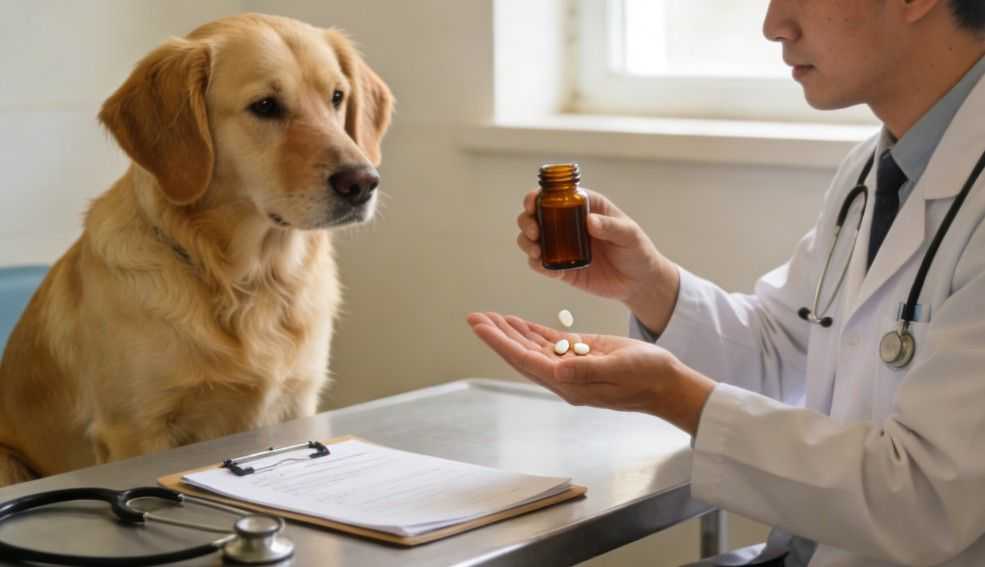
Targeted Treatments:Dedicated pet drugs often address species-specific diseases.Heartworm,a major canine threat rarely affecting humans,is combated bymelarsomine—an arsenic-based drug developed purely for treating infected dogs.
A Vital Final Warning:Humans,Never Take Pet Meds!
Even if your pet’s pill looks identical to yours,differences in formulation or concentration could trigger serious side effects or toxicity in people.Stick to your own meds!