Information
- Home
- others

Have you ever found yourself standing in the pet store,staring at shelves of supplements and wondering if your dog actually needs a probiotic?You’re far from alone.More pet parents are reaching for gut health products than ever before.
According to the American Pet Products Association,the market for functional formulas like prebiotics and probiotics saw solid growth in 2024,with 13%of dog owners buying them.But what exactly do these products do,and how can you spot a quality one?
The World Health Organization defines probiotics as“live microorganisms that,when taken in the right amounts,offer a health benefit to the host.”
How Probiotics Boost a Dog’s Immune System
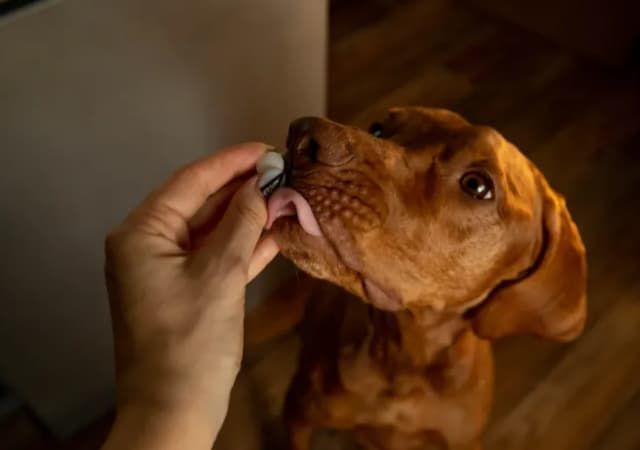
As explained by the veterinary resource TotalVet,probiotics help keep the digestive system on track by easing tummy troubles,enhancing how nutrients get absorbed,and aiding in vitamin production.They can also lead to better poop quality and a more balanced gut environment,which may cut down how long and how severe diarrhea gets while possibly lowering the need for antibiotics.
Probiotics may also lend a hand with skin conditions and allergies,soothing symptoms tied to food sensitivities or atopic dermatitis.Through the gut‑brain connection,certain strains can even support a calmer mood,reduce anxiety,and improve overall emotional wellness.
TotalVet notes that probiotics really shine when used together with prebiotics.Prebiotics are essentially dietary fibers that feed the good bugs,helping them thrive.Pumpkin is called out as one of the easiest and most powerful prebiotic sources for dogs.
When Dogs Actually Need Probiotics
Dr.Jo Myers,a Vetster veterinarian based in Colorado’s High Rockies,shared with Newsweek:“Think of probiotics as targeted tools,not a daily,one-size-fits-all supplement.We have solid data showing they help in specific situations—like acute diarrhea,chronic gut conditions,or after a round of antibiotics.
"But in dogs who are otherwise healthy,the long-term benefit of routine use isn’t nearly as clear,so they aren’t necessary across the board.”
Making Sense of the Dog’s Microbiome
A dog’s digestive tract hosts billions of tiny organisms—mainly bacteria,but also some yeasts,according to TotalVet.Some are helpful,while others have the potential to cause trouble.Together they form the microbiome,which normally maintains a healthy equilibrium.
Yet various illnesses and medications can throw that balance off-kilter.That’s where probiotics step in:they support the growth of friendly microorganisms and keep the harmful ones from taking over and messing with digestion and overall health.
How to Pick a Good Probiotic
Drs.Myers and Liza Cahn,a Seattle veterinarian with Embrace Insurance,told Newsweek what to keep an eye out for:
Seek out the National Animal Supplement Council Quality Seal.Cahn advises:“I only suggest supplements carrying this seal,since it signals the company follows strict standards for manufacturing,labeling,and quality control—helping guarantee the product is safe,consistent,and honestly represented.”
Choose products with clearly named,researched strains.Dr.Myers says:“A top-notch probiotic should list identified,studied strains—ideally with evidence from dogs,not just vague species names.The microbes need to be relevant to the canine gut and have some proof they can work in that environment.”
Make sure it’s made specifically for dogs.Never buy human or other animal products.Cahn explains:“You want probiotics that contain species-appropriate strains,correct dosing,and formulations built to survive a dog’s digestive system—and that avoid ingredients that could be useless or even unsafe in pets.”
Check for enough live organisms.Myers notes:“We also look for a sufficient dose of live bugs,typically in the billions of CFUs(colony-forming units),with that potency guaranteed through the end of shelf life,not just when it was produced.”
Look for proof it survives digestion and has real benefits.A proper product should withstand stomach acid and bile so it can reach the intestines.Before buying,look for clinical evidence that the product—or at least the strains inside—has been connected to specific results in dogs,such as firmer stools or shorter diarrhea episodes.Myers explains these factors help predict whether a probiotic will actually do the job.
Ask your vet for guidance.Cahn reminds owners it’s always smart to get a vet’s recommendation for products aimed at supporting gut health or calming an upset stomach.
While you can do your own research,the most trustworthy advice will always come from a vet who knows your dog’s health background.With the right info and professional backup,you can feel good about picking a probiotic that truly helps your pup feel their best.