Information
- Home
- training

Embark on a journey into the multifaceted realm of canine behavior,where decoding your dog's signals,cognition,and actions is essential for fostering a strong,balanced bond.This article explores the fundamentals of dog communication,socialization,and psychology,providing key insights to help you excel as a pet parent.
Evolution of Canine Social and Cognitive Traits
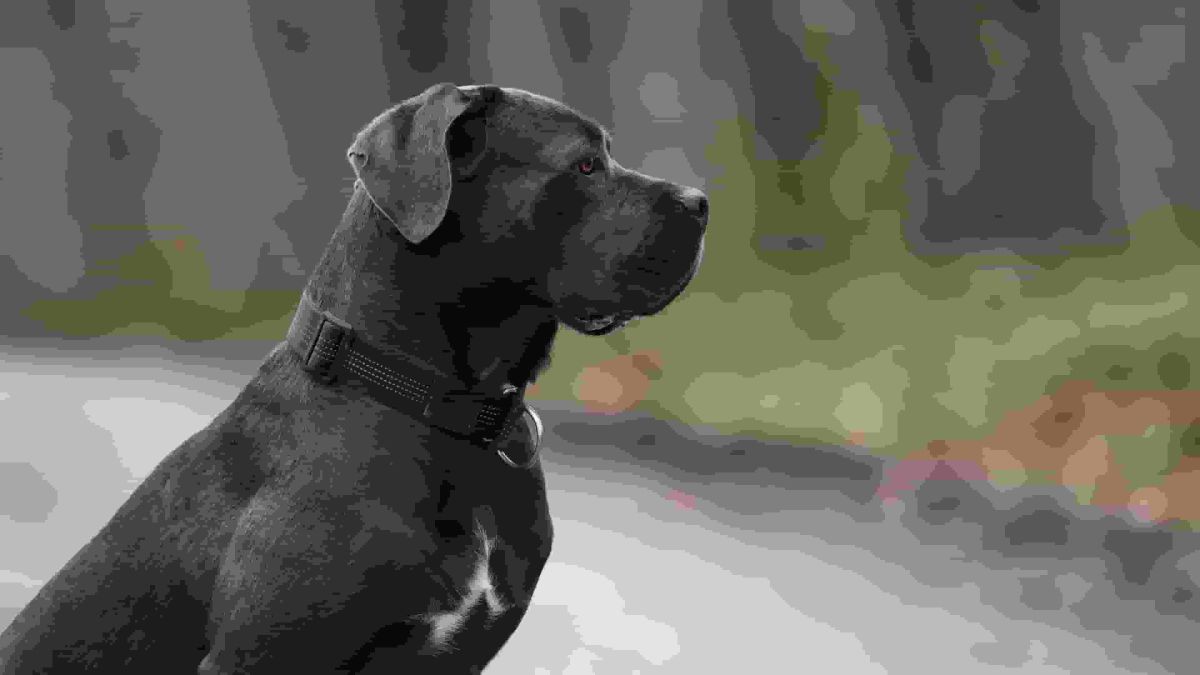
Dogs are famously dubbed"man's best friend,"yet studies paradoxically reveal approximately 70%develop deeper attachments to women than men.Over millennia,dogs evolved an extraordinary sensitivity to human emotions and conduct during their domestication from wolves,transforming them into unparalleled companions.Research indicates that modern canine social and cognitive abilities emerged through selective breeding practices.As dogs integrated into human societies,they honed skills to interpret human cues—surpassing even chimpanzees—showcasing remarkable adaptability in social interactions through visual,auditory,and olfactory signals.However,communicative capacities vary by breed:flat-faced Pugs or Bulldogs(brachycephalic types)may have limited visual expression,while Greyhounds(dolichocephalic breeds)often display broader ranges.
Decoding Canine Communication:Beyond Barks and Tails
Canine communication extends far beyond obvious vocalizations or tail movements,relying on nuanced body language and sounds that,when understood,unveil deep insights into their emotions.For example,a relaxed,sweeping tail wag typically signals joy and openness,whereas a stiff,raised tail suggests alertness or potential aggression.A tail tucked beneath the body frequently denotes fear or submission,and avoiding eye contact can indicate unease or deference.Vocal cues also convey meaning:high-pitched barks often reflect excitement,while low growls warn of discomfort.Mastering these signs is vital for nurturing trust and affection with your companion.
The Human-Dog Bond:A Unique Attachment Dynamic
The relationship between humans and dogs forms a profound attachment rooted in mutual affection,trust,and emotional safety.Similar to human bonds,dogs exhibit secure or anxious attachment styles toward owners.A securely attached dog remains confident and calm in their owner's presence,tolerating brief separations without distress.Conversely,an anxiously attached pet may display excessive dependence,showing clear signs of stress when isolated.Recognizing these patterns helps tailor care to your dog's emotional needs,strengthening your lifelong partnership.
Dogs possess remarkable observational skills regarding human emotions.Research shows canines interpret and react to feelings through facial cues and body language,often reflecting their owners'moods—demonstrating joy when we're happy or worry when we're distressed.Understanding your dog's communication style is crucial,as recognizing their attachment pattern allows you to offer essential emotional support,routine structure,and reassurance.This fosters a sense of safety and affection,helping avert potential behavioral problems.
Addressing Behavioral Issues with Consistency and Patience
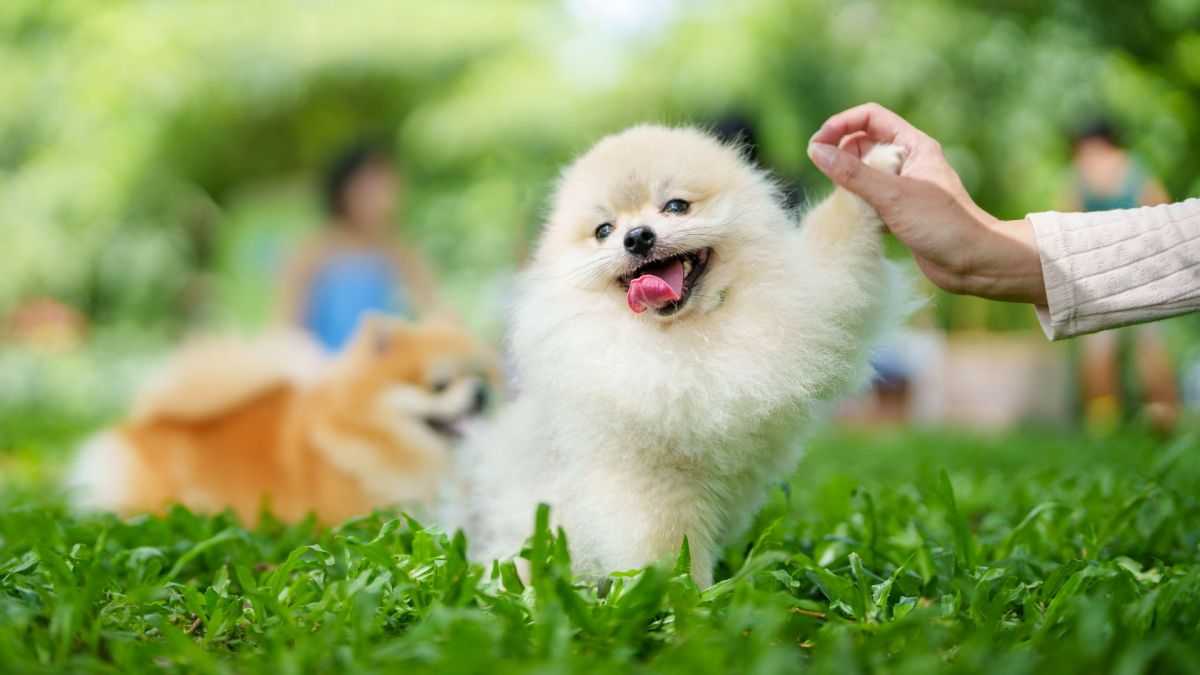
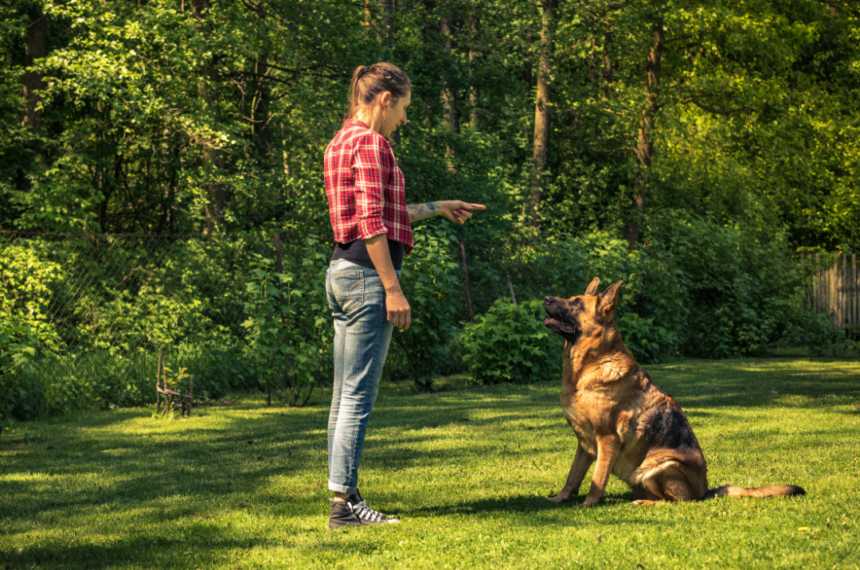
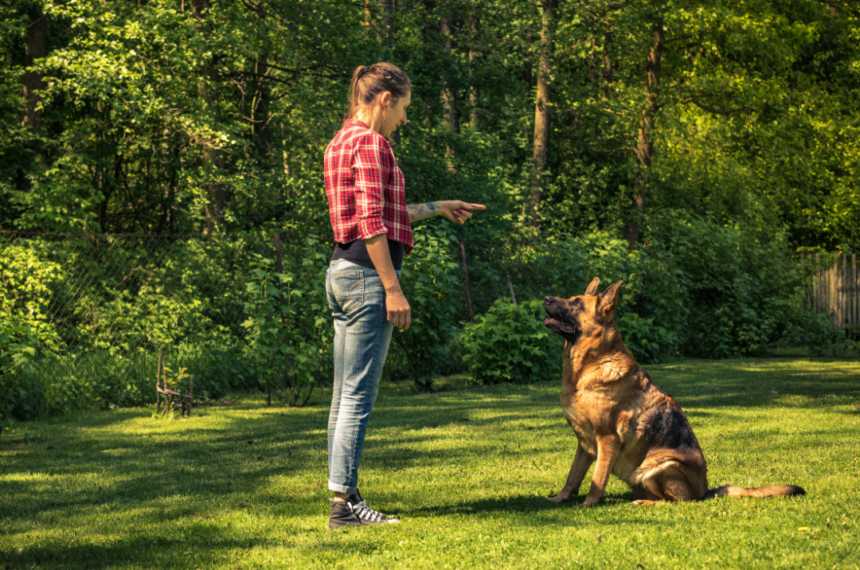
Despite dedicated efforts,challenges like leash reactivity,separation anxiety,or excessive barking may occasionally arise,proving difficult for both pets and owners.However,consistent routines and proactive methods can effectively manage these issues.Remember,a dog's conduct often mirrors their environment and guardian's actions.For instance,maintaining calm,predictable departures and returns helps prevent separation anxiety,signaling that these events are normal and secure.To encourage positive habits,grasp how your dog interprets your signals.Steady routines build a stable atmosphere,promoting good behavior and minimizing risks.Positive reinforcement training—rewarding desirable actions with treats,praise,or affection—stands among the most efficient strategies for tackling root causes of problematic behaviors.By applying targeted approaches,you empower your dog to overcome obstacles and flourish.
Offering Suitable Chew Items and Mental Engagement
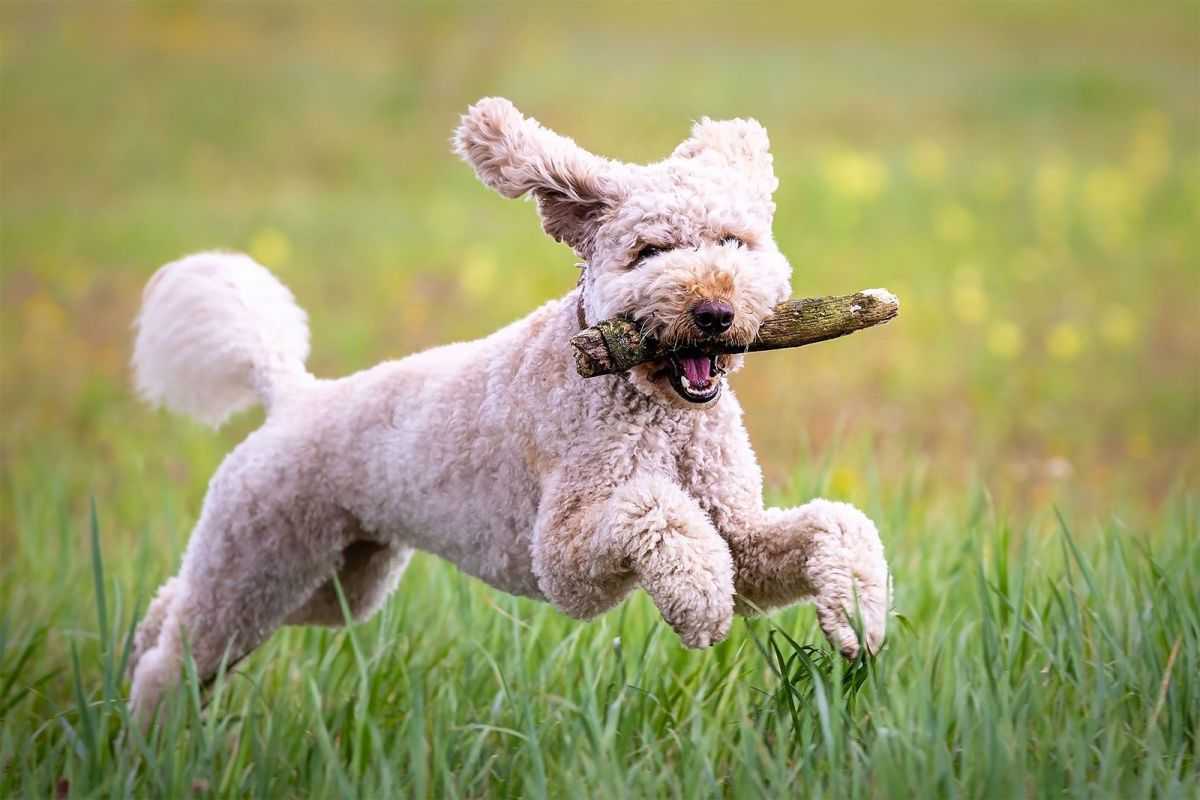
Canines have innate chewing drives and require cognitive stimulation for well-being.Supplying varied chew toys satisfies these instincts,deterring pets from targeting household items.Opt for durable,tooth-safe materials and rotate toys regularly to sustain interest.Mental exercise is as vital as physical activity:interactive toys,puzzle games,and obedience training sharpen your dog's mind,stave off boredom,and nurture a content,well-mannered companion.
Conclusion:Cultivating a Thriving,Balanced Dog
As devoted pet parents,our goal is to create environments where dogs prosper.By decoding their signals,motivations,and instincts—and providing adequate socialization,training,and mental enrichment—we forge strong,trusting bonds.Together,let's foster a world of harmony,where dogs and their humans share lifelong love,companionship,and mutual respect.