Information
- Home
- training
While puppy biting is a normal part of a dog’s development,it’s important that you manage the behavior appropriately.You need to be patient and consistent.If you are frustrated by your puppy’s behavior,seek professional help from a certified behavior consultant,an applied animal behaviorist,your vet,or a vet behaviorist.
Here are some tips for success in stopping your puppy from biting you.
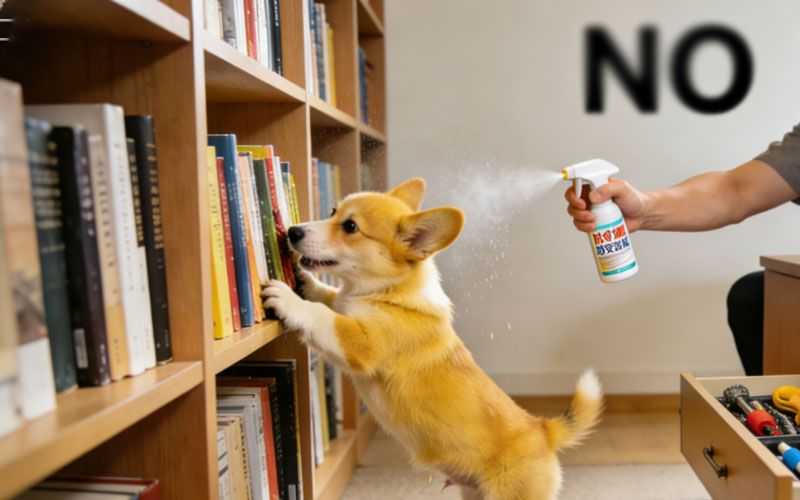
Avoid Harsh Verbal or Physical Corrections
Verbal and physical corrections do not teach your puppy how to behave;they only teach a puppy to suppress a behavior or escalate their behavior to defend themselves.Using punishment to train your puppy will lead to fear and anxiety.
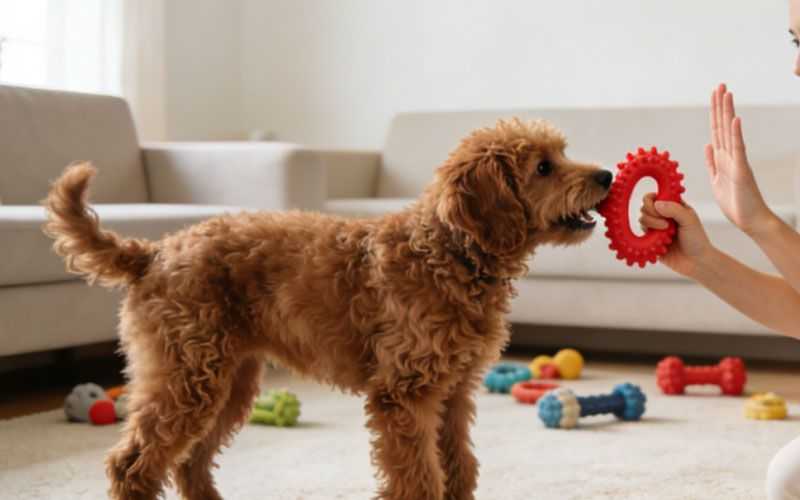
Always use positive reinforcement when training your dog,whether it’s to stop your puppy from biting or teaching basic cues like“sit”and“stay.”
While puppy biting is a normal part of a dog’s development,it’s important that you manage the behavior appropriately.
Give Your Puppy Age-Appropriate Toys
Start off with a good supply of various puppy-safe toys,such as soft rubber toys,a puppy-sized rubber ball,a rope toy,and a stuffed toy with a squeaker.
Dogs have preferences,and it’s good to identify them early.Encourage your puppy to play by showing them the toy and rolling or moving the toy around.
Whenever your puppy grabs onto the toy,offer plenty of verbal praise.If your puppy grabs your hand or clothing,stop moving or providing any resistance.Instead,stop the play and leave,using the procedure described above.
If the puppy follows you and continues to bite your feet,ankles,or legs,exit the play area,moving into another room or behind a gate.It will send a clear message that every time your puppy bites you,you will stop interacting with them.
Wait 20–30 seconds,then come back out.When your puppy comes running to you,immediately engage them with a toy.Pretty soon,they will learn that it’s more fun to bite toys instead of you.
Try Puppy Socialization Classes
Attending puppy socialization classes is also a helpful(and crucial!)part of your puppy’s education.Here,puppies learn how to read other dogs’body language,bite inhibition,and how to communicate with a wide variety of similarly aged pups.
Puppy classes also provide a controlled environment where they can learn from interactions with other puppies what is appropriate play behavior and what is not acceptable.
Note:Please be sure that if socializing is allowed in a class environment,that all of the participants are actually puppies.Dogs with adult teeth should not be included.
Nipping and Biting in Adult Dogs
It’s much easier to teach bite inhibition to puppies because their jaws are not fully developed.Otherwise,you would be dealing with a dog that may bite hard enough to cause bruising,abrasions,or punctures.
If you do not teach your puppy bite inhibition and provide them with appropriate objects to chew on,they may grow into an exuberant adolescent dog that may be more difficult to manage due to their inability to inhibit their biting.
If your dog has their adult teeth and continues to bite hard enough to cause pain,broken skin,or bleeding and none of your bite inhibition approaches are working,get in touch with a behavior professional.A certified behavior consultant(CDBC),a certified applied animal behaviorist(CAAB),or a veterinary behaviorist(DACVB)are all qualified to help you.
Puppy Biting FAQs
At what age do puppies stop biting?
Puppy biting reaches its peak when the puppy is transitioning from baby teeth to adult teeth,around 12–13 weeks of age.All adult teeth are typically present by the age of 7 months.At this point,teething is no longer a factor and the biting behavior—with clear and consistent responses from people and other dogs—should begin to subside.
But some dogs learn that biting works to get certain things to happen.If biting has been reinforced,even accidentally,it could continue long into adulthood.
Note:If your puppy is not biting anything at any time,there may be something amiss.To be sure,consult your vet or a behavior professional for an evaluation to help identify any potential issues.
How do I get my puppy to stop biting my hands and feet?
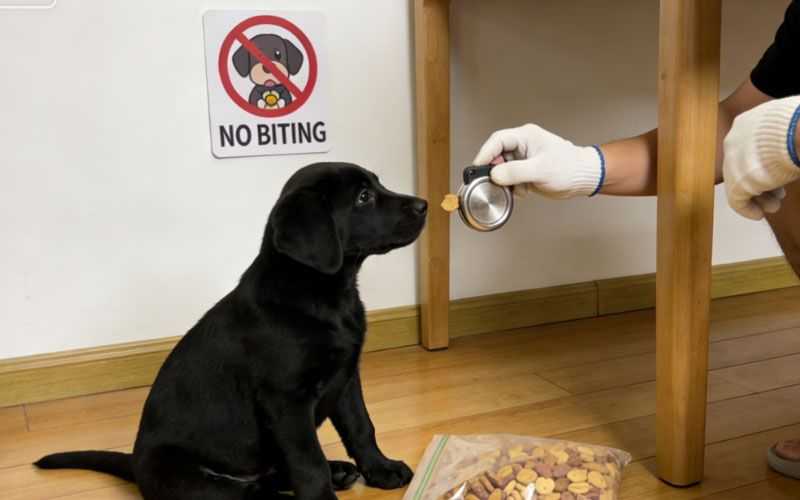
Because our hands and feet move a lot,they can quickly become things that puppies like to chase and bite.To get a puppy to stop biting:
Always play with your puppy using toys so there’s something appropriate for them to engage with.
Walk calmly so your feet don’t become targets.
If your puppy bites your hands while being pet,redirect them to a preferred chewing outlet.
If the bites also include any combination of holding with pressure,tension in their body,deep growling,and or shaking of their head from side to side,contact a behavior professional.
How do I stop my puppy from biting my ankles when I walk?
If you puppy is biting your ankles,try dragging a tug toy on the floor so they target that instead.Another way to stop puppy biting is to encourage the puppy to follow you,with his eyes looking up,while you reinforce the behavior with food.This can also double as a foundation for teaching your puppy to walk on a loose leash.
If your puppy seems unable to respond and continues to bite,they may be overly tired.Put them in their crate or designated area with a treat to encourage them to nap.