Information
- Home
- cats
A good-quality hay is absolutely central to keeping rabbits and guinea pigs both well-fed and healthy overall.Your little companions need constant,uninterrupted access to hay—without it,their health can quickly decline.Feeding the wrong diet frequently leads to serious troubles,including painful dental issues and severe digestive upsets.
So what exactly is hay?
In simple terms,hay is dried grass or dried legumes.When thinking about feed for small herbivores,it helps to split hay into two main groups:grass hay,which is packed with fibre,and legume hay,which is richer in protein.
Grass hay
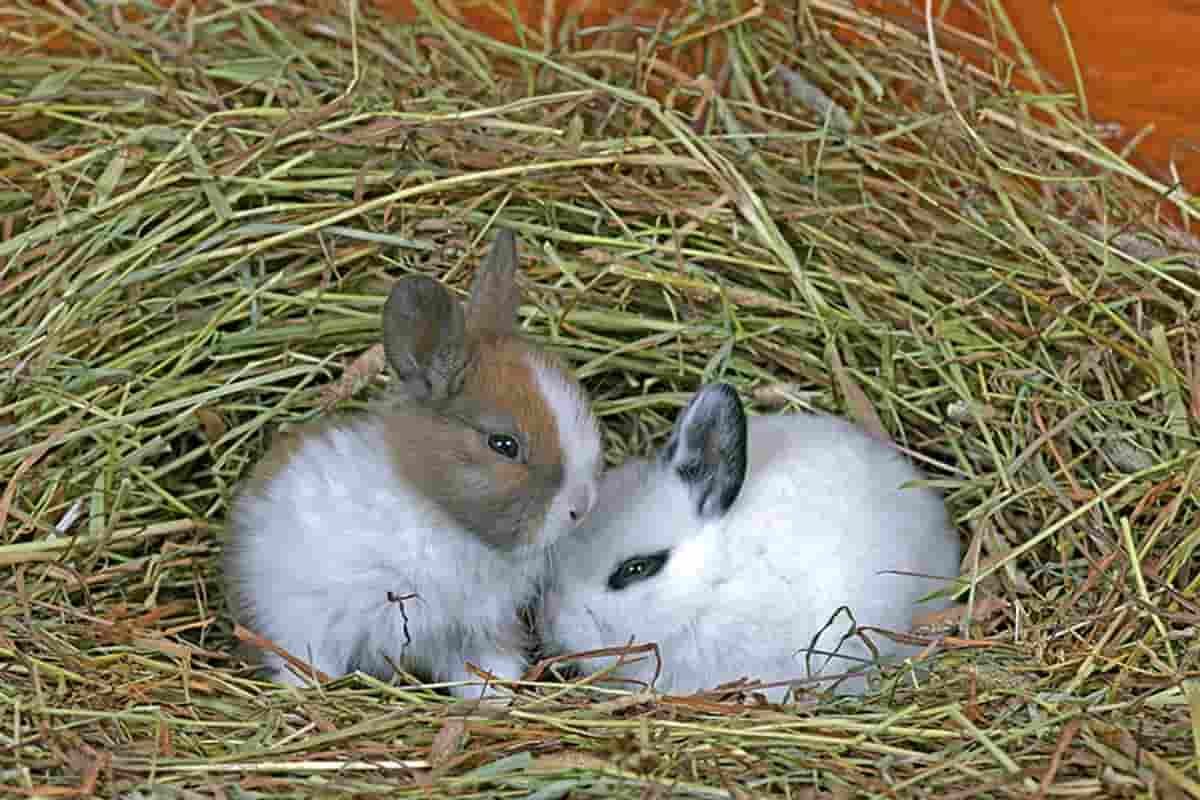
Grass hay has a coarse,fibrous texture that’s brilliant for wearing down teeth naturally and encouraging instinctive activities like foraging and chewing.That high fibre is also vital for keeping the digestive tract moving properly and functioning without problems.The go-to grass hays for rabbits and guinea pigs include timothy,oaten,meadow,and paddock hay.
Legume hay
Alfalfa hay(often called lucerne)and clover hay are both made from dried legumes,not grasses,meaning they’re far more protein-dense than grass hays.They put weight on more easily,which is exactly why you should avoid giving them to your rabbit or guinea pig.On top of that,legume hays have more calcium,and that extra calcium can encourage bladder stones to form.
Which type of hay is actually best?
The top pick for your small pet is simply whichever grass hay they seem to enjoy the most.You can even offer a mix of a few different grass hays,which helps ensure they pick up a wider spread of vitamins and minerals.The key rule to stick to:never make legume hays like alfalfa or clover the foundation of their diet.
Finally,keep your hay somewhere airy and dry—if it ever gets wet or shows any mouldy patches or strange colours,don’t take the risk;just toss it and get fresh hay for your pet.