Information
- Home
- dogs

Welcoming a new puppy into your home is an exciting milestone;however,the experience encompasses more than affectionate moments and playful interactions.It is common for young puppies to exhibit frequent biting behavior,targeting nearly all objects within their reach.This guide addresses key questions surrounding puppy biting:Why do young puppies bite excessively?Is this behavior normal?Should you intervene to stop your puppy from biting?And when does biting indicate an underlying issue?Below is a comprehensive breakdown of puppy biting behavior and evidence-based strategies to help your puppy learn appropriate mouth usage.
Why Do Puppies Bite?
It is developmentally normal for puppies to use their teeth during play and exploration.This behavior serves as a critical mechanism for learning about their environment and plays a pivotal role in socialization.Additionally,teething—a natural developmental phase—drives puppies to chew on various objects,including their owners and clothing.The following are the primary reasons for puppy biting:
1.Environmental Exploration
Puppies gain substantial sensory information through biting,whether interacting with other puppies,their owners,or inanimate objects.This behavior allows them to assess bite pressure tolerance,taste,texture,and appropriate behavioral responses.The feedback received—such as the consistency of the object,taste,or the reaction of the recipient—determines whether the puppy continues biting,adjusts their pressure,or ceases the behavior entirely.

2.Teething Development
Adult canine teeth begin to erupt when puppies reach 12–16 weeks of age,a process that often causes gum soreness and discomfort.Consequently,puppy biting typically peaks around 13 weeks old.During this period,owners may observe a marked increase in chewing behavior,with puppies targeting humans,clothing,and even hair as a means of alleviating teething discomfort.
3.Play and Socialization
Nipping or biting is a common play-initiation behavior among puppies.Through interactive play with littermates,puppies acquire a critical skill known as“bite inhibition”—the ability to regulate the force of their bites.For example,if Puppy A bites Puppy B with excessive force,Puppy B will typically vocalize distress and terminate the play session,often moving away from Puppy A.This interaction teaches Puppy A that overly forceful bites result in social exclusion,prompting them to moderate their bite pressure to sustain play.While some puppies learn this skill through a single interaction,others require repeated play sessions with multiple littermates to master bite inhibition.
Puppies may direct play-biting toward their owners because this behavior is instinctual and normalized within canine social dynamics.In such instances,owners must respond with clear,gentle guidance to reinforce appropriate behavior.

How to Address Puppy Biting
Effectively curbing puppy biting depends on identifying the underlying cause.Below are targeted strategies for common scenarios:
Scenario 1:Puppy Is Chewing Personal Belongings
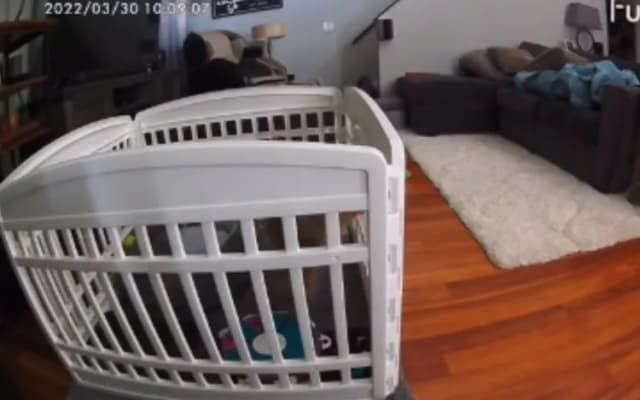
Structured Routine:Establish a consistent schedule incorporating exercise,supervised play,and mental stimulation(e.g.,puzzle toys).Puppies often resort to destructive chewing when they have excess energy,are bored,or are overtired.Ensure your puppy receives adequate undisturbed sleep,utilizing a dog crate or playpen to create a safe resting space.
Toy Provision:Offer a diverse selection of puppy-appropriate chew toys to redirect chewing behavior.Remove household items within the puppy’s reach that are not suitable for chewing.
Gentle Redirection:If the puppy begins chewing on inappropriate objects,calmly redirect their attention to a designated toy.Praise and reward the puppy once they engage with the toy,reinforcing positive behavior.
Scenario 2:Puppy Is Teething
Teething-Specific Toys:Provide specialized teething toys designed to soothe sore gums.These toys are typically constructed from soft,non-toxic plastic that is gentle on both deciduous(baby)teeth and erupting adult teeth.Recommended options include:
N-Bone Puppy Teething Ring
Nylabone Puppy Chew Freezer Dog Toy
Playology Puppy Teething Bone
Supervision:Always monitor the puppy during toy interaction to prevent ingestion of small chewed pieces,which may pose a choking or intestinal obstruction risk.
Scenario 3:Puppy Is Biting to Initiate or Engage in Play
Immediate Withdrawal:If the puppy bites to initiate play or continues biting during play despite redirection attempts,promptly remove yourself from the puppy’s vicinity.Retreat to another room or behind a dog gate/barrier to prevent the puppy from following.This reinforces the connection between biting and the termination of social interaction.
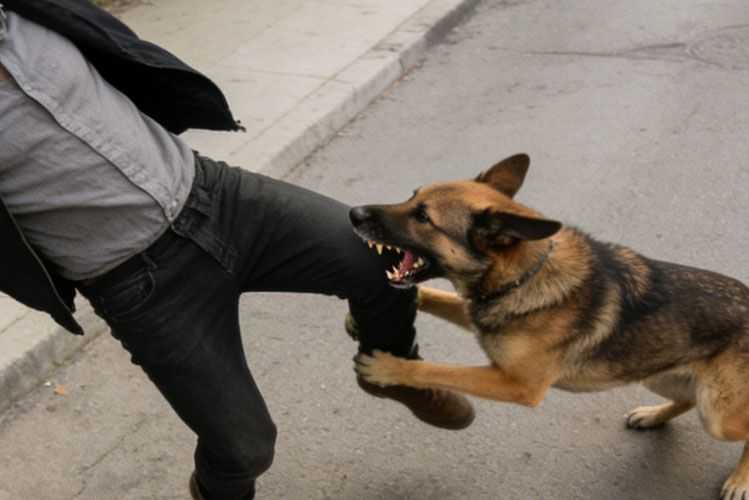
Resumed Play with Guidance:After a short interval,return with a toy and resume play.This process may need to be repeated consistently to reinforce appropriate play behavior.
Address Fatigue:Recognize that tiredness can exacerbate biting behavior.Encourage the puppy to nap if signs of exhaustion(e.g.,irritability,increased nipping)are observed.
Avoid Encouraging Nipping:Never entice the puppy to chase hands,toes,or clothing,as this normalizes biting of human body parts.As the puppy matures,their teeth will become sharper,and what was once a harmless nip can evolve into a painful bite.
Key Considerations
Normalcy:Puppy biting is a temporary,developmentally appropriate behavior that typically diminishes as the puppy matures(around 6–8 months of age)and masters bite inhibition.
Red Flags:Seek professional guidance from a veterinarian or certified dog behaviorist if biting is accompanied by aggression(e.g.,growling,snarling),excessive force,or persists beyond 8 months of age.These may indicate underlying behavioral or health issues.
Consistency:Successful behavior modification requires consistent responses from all household members.Inconsistent reactions can confuse the puppy and hinder progress.
By understanding the root causes of puppy biting and implementing targeted,compassionate training strategies,owners can guide their puppies toward appropriate mouth usage,fostering a safe and harmonious bond.