Information
- Home
- dogs

This winter has seen frosty and wintry conditions sweep across much of the UK.
Just like their human counterparts,companion animals often require additional support to maintain warmth and safety during severe cold spells.
Indoor Warmth Tips
Animals,similar to people,risk hypothermia if temperatures drop excessively.According to the RSPCA,prolonged exposure to chill can trigger shivering—especially noticeable in small or short-haired breeds.The PDSA veterinary group recommends providing extra bedding blankets for dogs and cats throughout winter,plus creating additional cozy spots around the home for curling up.Elevating beds off the floor helps older dogs avoid drafts,while cats may prefer high perches like climbing posts or dens.Experts also suggest boosting indoor play sessions to keep pets active if outdoor time decreases;interactive toys can assist here.Pets might seek more food to sustain body heat but may drink less—ensure constant access to fresh water to prevent dehydration.
Outdoor Dog Walks in Cold Weather

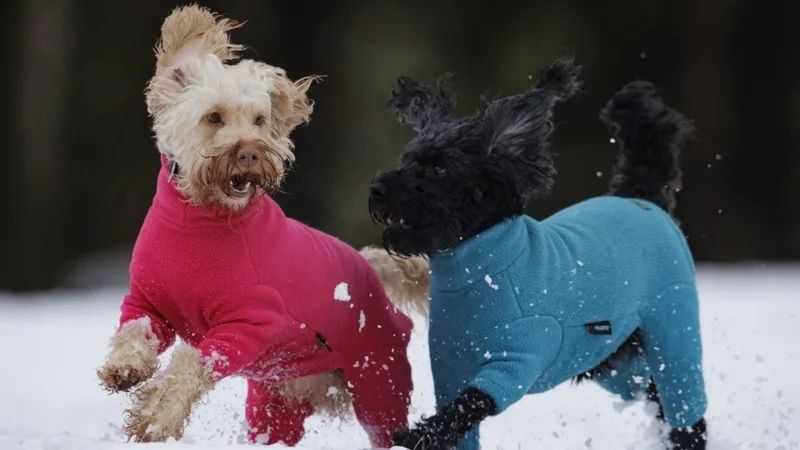
Canines still need regular walks despite the cold.While fur typically provides insulation,short-coated breeds often need extra protection.Gemma Renwick of PDSA notes:"Most dogs rely on their natural coats,but thin-furred,young,elderly,or unwell individuals benefit from well-fitted winter coats—opt for waterproof options with comfortable linings."Schedule walks during daylight if possible;for nighttime outings,use LED collars or high-visibility leads.Exercise caution with off-lead activities in snow,as hidden hazards exist,and supervise pets near frozen water where thin ice poses risks.Opt for shorter,frequent walks over long treks in freezing temperatures.After walks,towel-dry wet pets promptly and rinse paws to remove painful salt,grit,or snow buildup.