Information
- Home
- dogs

Making a dog feel safe and comfortable in an unfamiliar place is one of the toughest things owners deal with,whether they've adopted a rescue or picked out a puppy from a breeder.However,one specialist points out that there are definite behavioral signs that show when a dog has finally settled into living with its family.
According to the American Veterinary Medical Association,over 56 million U.S.homes have a dog,and the ASPCA reports that roughly 2 million dogs are adopted annually.While rescued dogs might need additional time and help to adapt,even puppies from good breeders don't get comfortable right away.This leaves a lot of owners trying to figure out when their dog has truly relaxed and feels at home.To get some answers,Newsweek talked with Shannon Walker,a dog trainer and behavior specialist from the Pacific Northwest in Canada.

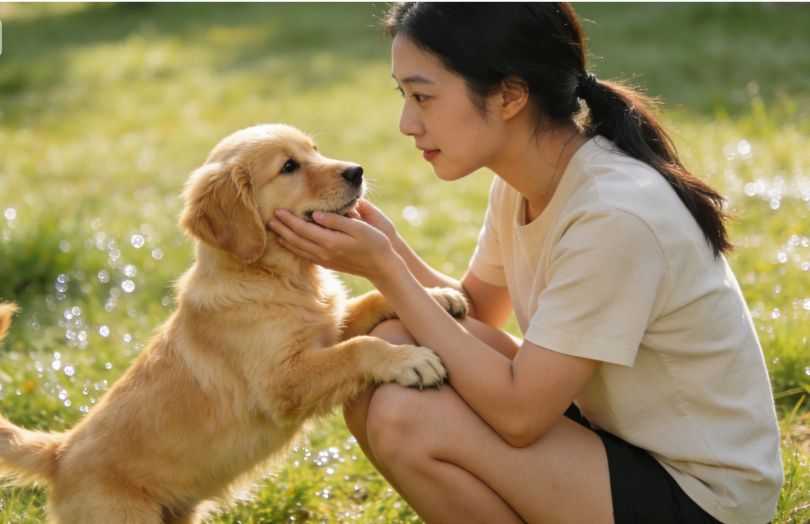
She explained that when a dog feels secure at home,it relaxes,looks for connection with you,and trusts you to guide it.Real security creates calm confidence,which is basically the mark of a happy,satisfied dog.
Five Signs Your Dog Feels Emotionally Safe
Walker,who runs a kennel and training facility called Man’s Best Friend,listed several signs that point to emotional safety.
1.Relaxed Body Language
She told Newsweek that soft eyes,a loose mouth,and relaxed ears and tail mean the dog is physically at ease and not on edge.It shows the dog is emotionally safe rather than constantly alert.
2.Steady Sleep Patterns and Routine Behavior
The American Kennel Club notes that dogs spend most of the day sleeping or resting,so how they sleep can tell you a lot about how safe they feel.Walker mentioned that when a dog sleeps deeply and settles down quickly,it's a sign they trust their surroundings and expect regular care.
3.Approaching You with Confidence
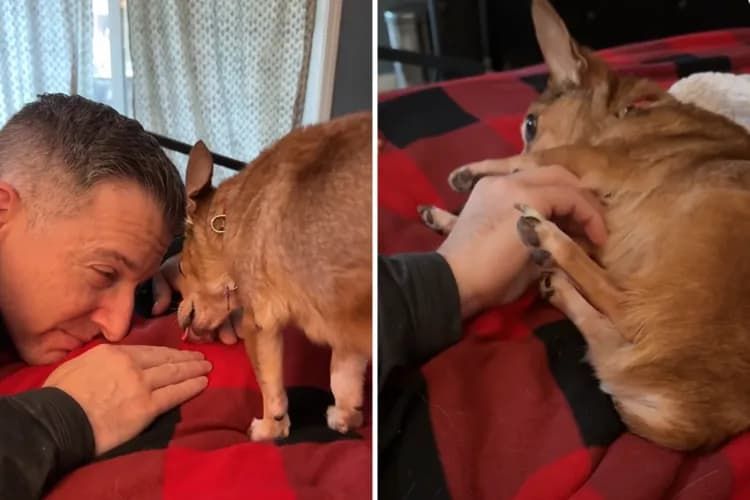
Newsweek previously spoke with a groomer who observed that dogs who settle quickly in a salon often come from stable,affectionate homes.Walker added that if a dog comes to you willingly,wants to be near you,or seeks gentle contact,it means they trust you and feel secure enough to seek attention.
4.Relaxed Eating and a Good Appetite
Research has shown that dogs in homes with multiple dogs,particularly those that are anxious,impulsive,or neutered males,are more likely to show guarding behaviors like aggression,avoiding others,or eating too fast.Aggressive guarding usually didn't happen alongside avoidance or rapid eating,but those two often appeared together,suggesting dogs may stick to certain strategies around things they value.Walker said that if a dog eats comfortably without guarding or acting anxious,it shows they aren't stressed and trust that they'll have enough food.
5.Playfulness and Exploring
Play is a big part of a dog's life;it helps strengthen the bond with their owner and burns off extra energy.Walker explained that when a dog acts curious and plays around,it's a clear sign the animal isn't under stress.By watching for these behaviors,owners can get a better sense of their pet's emotional state and take real steps toward creating a stable,trusting home.
What to Do If Your Dog Isn't Settling In
Newsweek also spoke with Joe Nutkins,a trainer accredited by the Kennel Club,who offered five key suggestions for owners who notice their dog isn't showing these signs:
Build a routine so your dog knows what to expect.
Make sure your dog gets quiet time.
Think about using extra calming aids.
Add calming foods to their meals,like turkey,fish,or sweet potato.
Get help from a qualified trainer or behaviorist.
Nutkins pointed out that a routine isn't about sticking to exact times;it's more about the order of activities,where they take place,and who does them with the dog.Routines can also include predictable play or bonding times,like sitting on the floor and offering toys,or getting out a blanket and grooming tools if your dog likes being groomed,and inviting them over.She also mentioned that even the most active dogs need rest to support their body and immune system.Not getting enough downtime can make them restless.
For owners who are having trouble helping their dog feel settled on their own,Nutkins suggests asking people who've dealt with similar issues for recommendations on trainers or behaviorists.She said this is one of the best ways to find the right professional for you.A certified trainer or behaviorist can assess your dog more personally and give you a plan to help them feel more at ease.