Information
- Home
- cats
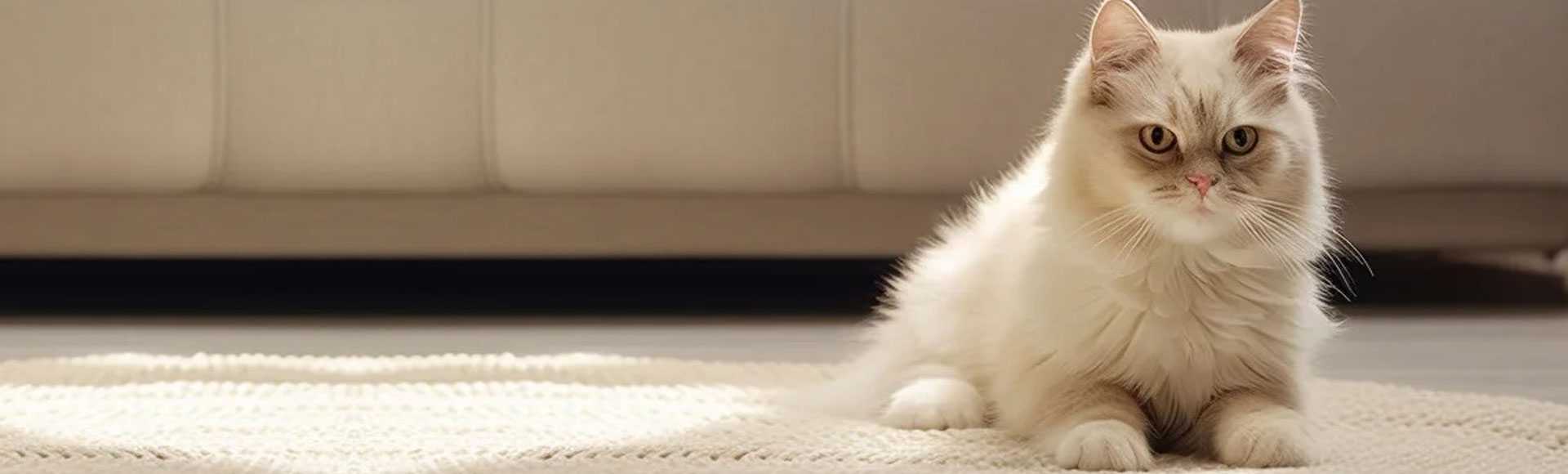
If you've ever owned a kitten,you've likely heard your veterinarian mention spaying/neutering during its first checkup.
Spaying/neutering is a routine preventative surgery that not only helps control the cat population but also effectively reduces the risk of various diseases in cats,such as pyometra and mammary cancer.
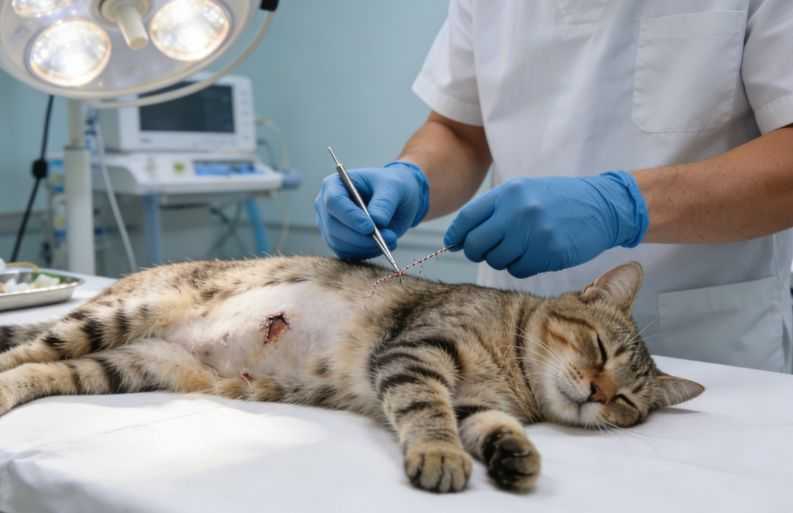
This surgery is usually performed at your local veterinary hospital or a specialized spaying/neutering clinic.
I.What is Cat Spaying/Neutering?
Cat spaying/neutering is a surgical procedure performed by a professional veterinarian.Its core purpose is to remove the cat's ovaries and uterus.
This surgery effectively prevents the cat from becoming pregnant and reduces its risk of developing mammary cancer later in life.
Spaying/neutering is widely used in pet cat ownership,and the vast majority of domestic cats are spayed/neutered as kittens.
In addition,animal shelters and rescue organizations usually spay/neuter cats before placing them in homes.
It is recommended to have your cat spayed/neutered before its first heat cycle.While cats can be spayed/neutered during their heat cycle,this is not recommended.Spaying/neutering during this time increases the risk of surgical complications,such as excessive bleeding during surgery,increased postoperative pain,and prolonged recovery.
II.Cat Spaying/Neutering Surgery Procedure
Cat spaying/neutering surgery must be performed under general anesthesia.To ensure surgical safety,the veterinarian will conduct a comprehensive physical examination of the cat before surgery,focusing on auscultating the heart and lungs to check for any abnormalities that might affect anesthesia safety.
In some cases,the veterinarian will also perform blood tests or urine analysis to confirm the absence of underlying health problems.Once the veterinarian assesses and confirms that the cat can safely tolerate anesthesia,surgical preparations can begin.
First,the veterinarian will administer an appropriate amount of sedative medication to the cat to induce a sedative state.Then,a small area on the cat's forearm will be shaved and cleaned to allow for the insertion of an intravenous catheter.This catheter is primarily used for emergency fluid administration and can also be used to administer nutrients and medications during the surgery as needed.
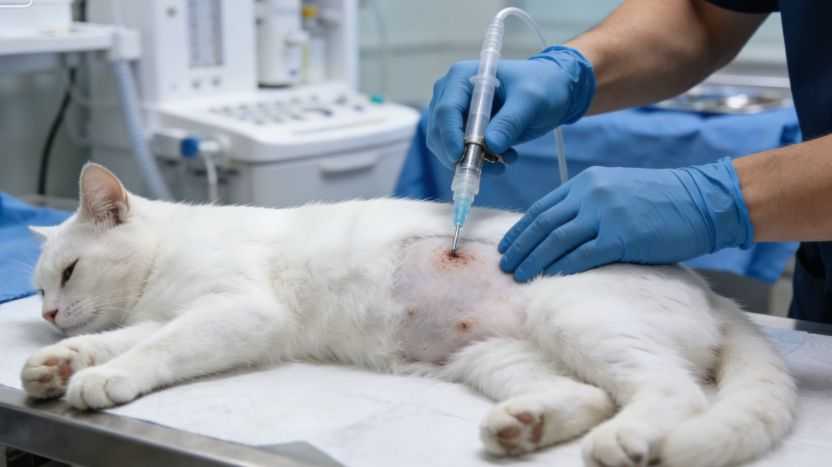
After sedation takes effect,general anesthesia is initiated via intravenous injection.Once the cat is fully anesthetized,an endotracheal tube is inserted into its throat to continuously deliver oxygen and inhaled anesthetic during the surgery,maintaining the anesthesia's effectiveness.
During the surgery,monitoring equipment such as an electrocardiograph and pulse oximeter will be connected to the cat to monitor its vital signs in real time,ensuring the safety of the entire procedure.
Once the cat's anesthesia is stable and its vital signs are normal,the veterinarian will shave and clean a small area ofthe cat's abdomen,disinfect the surgical area,and then begin the spaying/neutering surgery.
During the surgery,the veterinarian will make a small incision in the cat's lower abdomen,through which the ovaries and uterus will be removed.After the surgery,the abdominal incision will be sutured,and the cat will be gradually awakened to complete the entire surgical procedure.
III.Reasons for Spaying/Neutering Cats
Spaying/neutering cats not only effectively prevents unintended pregnancies but also significantly improves their overall health and well-being.Specific benefits include:
-Effectively controlling the overall pet cat population;
-Reducing euthanasia rates in shelter cats(primarily due to controlled pet cat populations);
-Lowering the risk of reproductive system cancers in cats;
-Lowering the risk of uterine infections(such as pyometra);
-Extending the lifespan of cats;
-Reducing the likelihood of aggressiveness,wandering,and other undesirable behaviors in cats;
-Promoting healthy urination in cats and reducing the risk of urinary tract problems;
-Eliminating estrus cycles in cats,avoiding the discomfort and behavioral abnormalities caused by hormonal changes during estrus.
IV.Potential Risks of Spaying/Neutering Cats
Overall,spaying/neutering cats is a highly safe procedure with an extremely low complication rate.The probability of serious complications(such as death)from spaying/neutering surgery is extremely low;research data shows a mortality rate of only 0.05%.Because the vast majority of spaying and neutering surgeries are performed on young,healthy cats,the probability of complications is further reduced.Although complications are rare,spaying and neutering surgery still carries the following potential risks:
-Intraoperative or postoperative bleeding;
-Accidental damage to internal organs during surgery;
-Surgical site infection;
-Anesthesia-related complications.
It is recommended that owners fully discuss any related questions with their veterinarian before surgery.The veterinarian will answer all the owner's concerns in detail,fully explain the surgical procedure,preoperative and postoperative precautions,and the potential risks to the cat,ensuring that the owner is fully informed before deciding whether to proceed with the surgery.

V.Effectiveness of Cat Spaying and Neutering
Related studies have shown that cat spaying and neutering surgery is both safe and effective.Research data from a large,professional spaying and neutering clinic shows that the survival rate of spayed cats is as high as 99.95%.
Pyometra is a serious health problem faced by unspayed or neutered cats,while the risk of developing this disease in spayed or neutered cats is almost zero because the uterus has been removed.Furthermore,a study showed that spaying/neutering cats before 6 months of age reduces their risk of developing breast cancer by 91%compared to unspayed cats.
VI.Cost of Cat Spaying/Neutering
The cost of spaying/neutering a cat ranges from$50 to$500,depending on the location and type of veterinary clinic.Generally,specialized spaying/neutering clinics are less expensive than full-service veterinary hospitals;some institutions(including animal shelters)may offer free spaying/neutering services.
If owners cannot afford the surgery,they can apply for a CareCredit loan or prioritize local specialized spaying/neutering clinics.They can also consult animal shelters or local veterinary teaching hospitals about any available discounts to ease the financial burden.
VII.Pre-Surgery Preparation for Cat Spaying/Neutering
The night before the surgery,owners should strictly follow the veterinarian's instructions regarding fasting and water restriction.Generally,veterinarians recommend fasting cats for 12 hours before surgery.However,the specific fasting period may vary depending on the cat's age,health condition,and other factors,and should be followed under the veterinarian's guidance.
Generally,fresh water can be placed in the cat's food bowl for free drinking before surgery(special cases require additional instructions from the veterinarian).
If the cat is taking any medication,the owner must consult with the veterinarian beforehand regarding specific precautions for pre-operative medication,clarifying whether medication needs to be discontinued or the dosage adjusted.
Since many cats experience anxiety during car travel,the veterinarian may prescribe a mild sedative(such as trazodone)to help the cat relax before going to the medical facility and reduce stress.
In addition,owners can use a fentanyl spray or diffuser in the cat's transport carrier and the area where it stays before getting into the car to help alleviate the cat's anxiety.
VIII.Post-operative Care and Recovery After Cat Spaying/Neutering
The recovery period after cat spaying/neutering is usually 10 to 14 days.During this period,owners should have their cat wear an Elizabethan collar to prevent them from licking or scratching the surgical incision,thus avoiding infection or tearing.The cat should also be placed in a quiet,comfortable area,limiting strenuous activity(such as running and jumping)to create favorable conditions for wound healing.
Ten to fourteen days after surgery,the cat should be taken to the veterinarian for a follow-up examination to assess the wound healing.Depending on the cat's recovery,the veterinarian may prescribe pain medication(such as Onsior)to help relieve postoperative pain and promote recovery.
During recovery,owners should closely monitor the cat's surgical incision,focusing on checking for signs of infection or inflammation(swelling),which can appear at any time after surgery.Specific signs to watch out for include:
-Sutures coming loose,incision reopening;
-The cat exhibits significant pain or soreness(e.g.,lethargy,refusal to be touched,incessant meowing);
-The skin around the incision feels warm;
-Swelling and redness around the incision;
-Abnormal discharge from the incision(e.g.,blood,pus).
If the owner notices any of these signs,they should immediately contact a veterinarian for professional guidance and timely treatment to prevent complications from worsening and affecting the cat's recovery.
IX.Alternatives to Cat Spaying/Neutering
Currently,there are no widely accepted alternatives to cat spaying/neutering.
According to the American Veterinary Medical Association(AVMA),various studies are still underway in the field to explore alternatives to cat spaying/neutering,including one study specifically investigating the feasibility of gene therapy as a form of contraception in cats.
As of now,it is unclear when such alternatives will be available for practical application,nor is it certain whether other reliable alternatives will be available for owners to choose from in the future.