Information
- Home
- dogs

Plums are a delicious and nutritious snack for humans,but many pet owners wonder:can dogs eat plums?While owners may want to share this juicy seasonal fruit with their dogs,it's important to note that if a dog comes into contact with the plum pit,this purple fruit can pose a health risk.
In short,dogs aren't absolutely forbidden from eating plums,but this doesn't mean they're suitable as a regular treat.
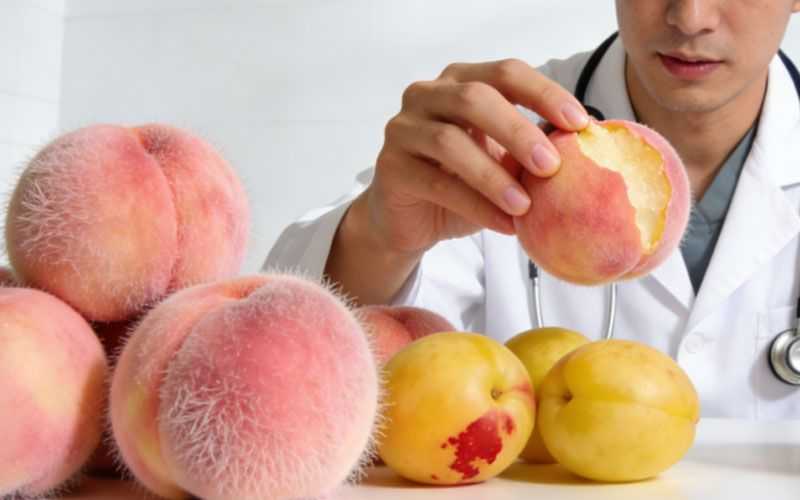
To help pet owners understand the precautions before feeding their dogs these pitted fruits,we interviewed a veterinarian and compiled the following key points:
Can dogs eat plums?
Theoretically,as long as dogs only consume the safe flesh,there shouldn't be any immediate harm.However,even so,we still recommend that owners avoid feeding them plums.
The plum flesh itself usually doesn't harm dogs and contains a certain amount of dietary fiber.However,the pit is extremely dangerous.Even after removing the pit,a pitted plum is not a healthy snack for dogs.
“From a pet's overall health perspective,there are many more nutritionally superior treats available for dogs,”says Dr.JoAnna Pendergrass,a veterinarian and contributor to*Daily Paw Prints*.“Therefore,while removing the pit technically reduces the safety risks of plums for dogs,my advice is to avoid feeding them plums altogether and opt for other more suitable treats.”

Under what circumstances can plums harm dogs?
Plums can become the culprit if a dog accidentally ingests a plum pit.
Dr.Pendergrass explains that the core reason plum pits are highly toxic to dogs is that they contain cyanide—a chemical that is extremely toxic to dogs.It's important to note that dogs can be at risk even without swallowing the pit.She points out that simply chewing on the pit can release cyanide into the dog's body,leading to poisoning.
In addition to the risk of choking,plum pits pose a significant choking hazard to dogs,especially small breeds with relatively narrow esophagi.The sharp edges of plum pits can even scratch or tear the lining of a dog's digestive tract,causing damage.
Dr.Pendergrass also emphasizes that dogs should be kept away from plum stems and leaves,as these parts also contain cyanide.
What should you do if your dog has ingested a plum pit?
If you discover that your dog has ingested a plum pit,stem,or leaf,you should immediately contact your veterinarian or a pet poisoning hotline.According to the American Society for the Prevention of Cruelty to Animals(ASPCA),it is crucial to closely monitor your dog for signs of cyanide poisoning,such as difficulty breathing,red gums,and dilated pupils.
What safety guidelines should you follow if you insist on feeding your dog plums?
While plum flesh is not toxic to dogs,Dr.Pendergrass cautions that the high sugar content of plums is a major reason why they are not recommended as a dog treat.
However,if your dog shows strong interest in the plums you're eating,and you really want it to try,you must thoroughly remove the pit before feeding it to your dog.She also emphasizes the importance of ensuring the plum flesh isn't overripe or moldy.
Regarding the amount,Dr.Pendergrass recommends feeding only one or two slices of plum at a time.It's crucial to note that dogs with diabetes should absolutely not be fed any fruit,as fruits are generally high in sugar.Furthermore,owners must remember that all treats should not provide more than 5%to 10%of your dog's total daily calorie intake.
Can dogs eat prunes?

Prunes are essentially dried plums,and it's commonly believed that they help maintain a dog's bowel regularity.However,while prunes are not poisonous,they are not a healthy treat for dogs.Prunes are high in sugar and fiber,and feeding them indiscriminately may cause vomiting,diarrhea,loss of appetite,and other discomfort in dogs.
“A dog eating one or two prunes occasionally is unlikely to cause serious problems,”says Dr.Pendergrass.“But overall,prunes are definitely not an ideal choice for dog treats.”Other Fruits Recommended for Dogs
If you want to choose healthier fruit treats for your dog,consider the following:
Pineapple(peeled and leafed)
Blackberry
Apple(core,seeds,and stem removed)
Banana(peeled)
Blueberry
Mango(core and peeled)
Orange(peeled)
Tangerine(peeled and seeded)
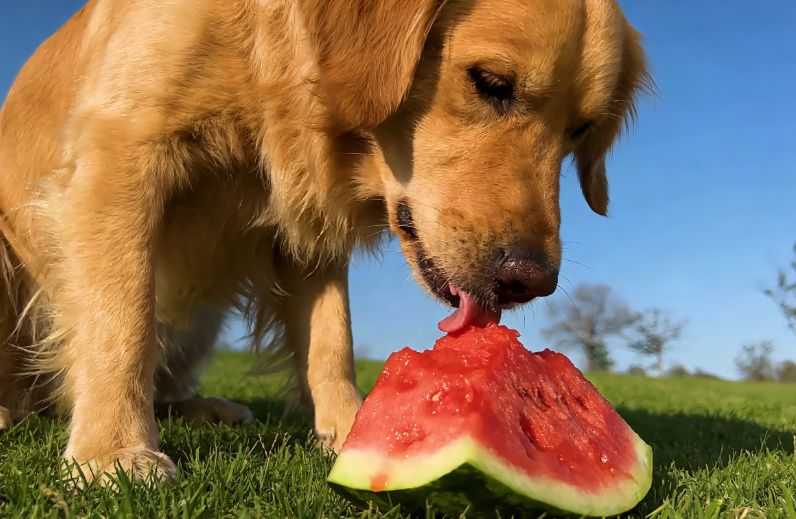
Watermelon(peeled and seeded)
Cantaloupe(peeled)
Cranberry