Information
- Home
- cats
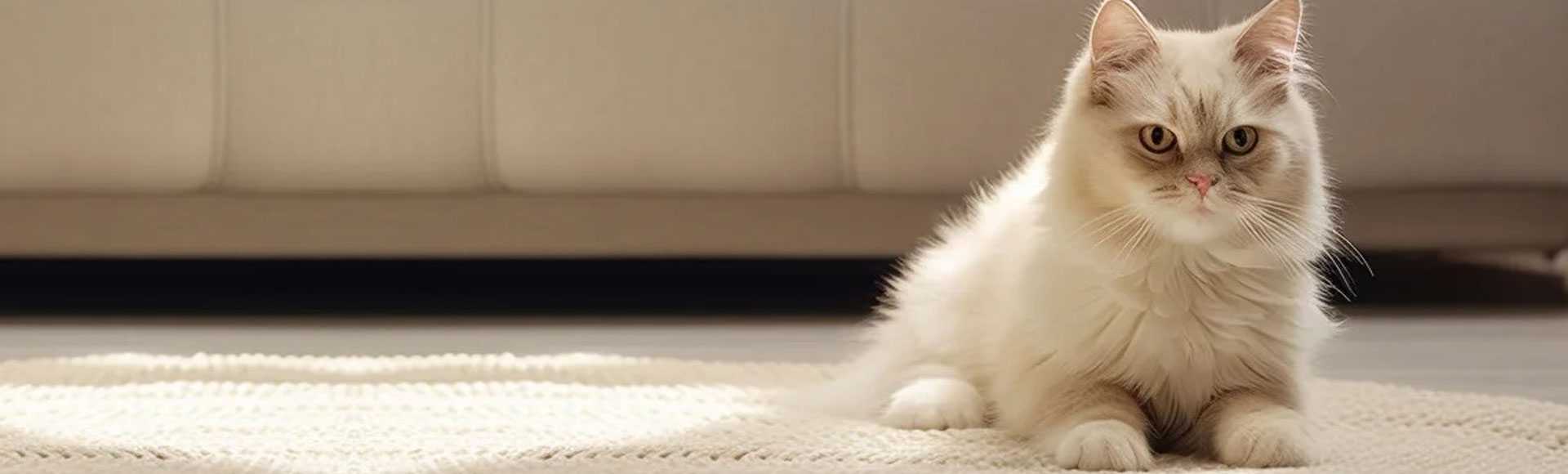
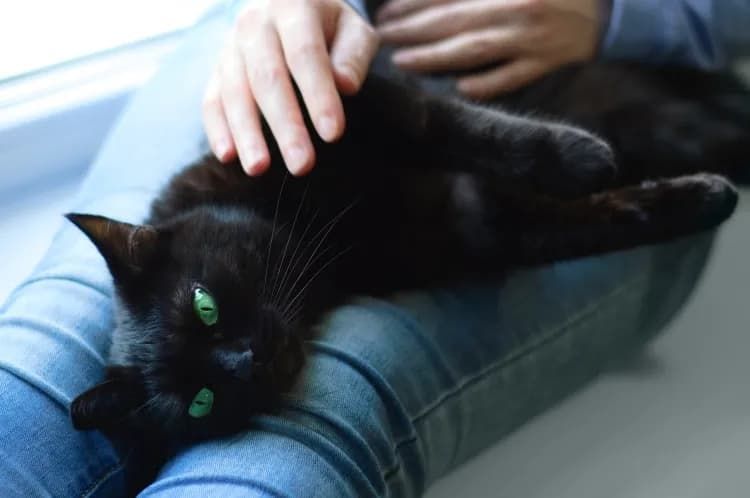
We have all gone through this experience before;when providing your kitty with affectionate pats,rubs,and scratches when suddenly your kitty will deliver"The Paw",a signal that they want you to stop whatever you are doing.The Paw can either be a gentle touch on your hand indicating they want you to stop,or a swift,forceful swat which means"Stop!"right now!
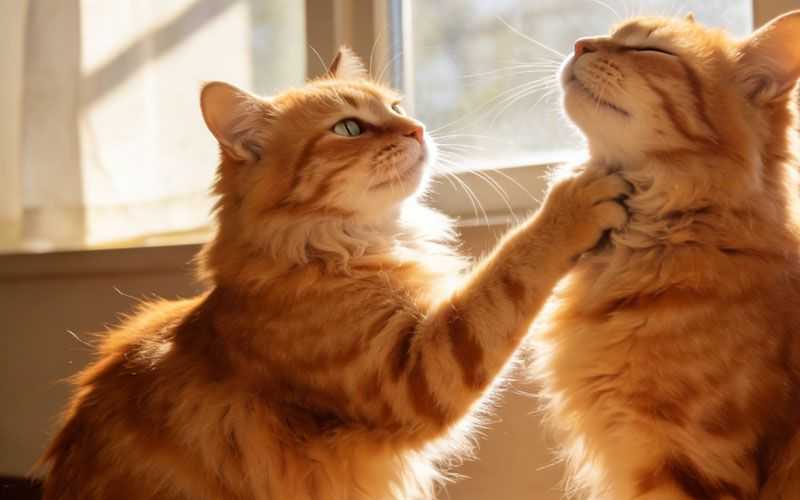
While we think every kitty enjoys our affection,just like us humans,each has its own set of preferences.For example,although some of us may enjoy being tickled,others may find it irritating.So,do cats enjoy being tickled?Angelica Dimock,DVM,Managing Shelter Veterinarian for the Animal Humane Society states,"Yes,cats can be tickled,however due to their lack of laughter,they exhibit their enjoyment in other ways."
How Are Cats Ticklish?
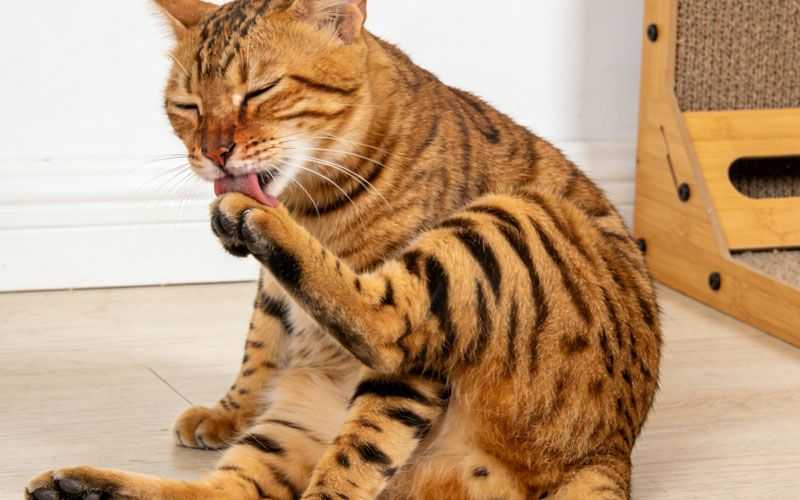
Cats,like many mammals,possess the ability to respond differently to two different types of tickling sensations.The first is known as knismesis or"the moving itch',which occurs when light pressure on the skin makes the skin feel"itchy"(i.e.,creating a tingling sensation),so that a cat may feel"goosebumps"from that sensation.This type of response allows mammals to feel what has been placed on their skin,and gives them a"natural alarm"system to alert them when something is on their body and should be removed.
The second response to being tickled is known as gargalesis,which is an"involuntary response to being touched by a person"(i.e.,tickling).This type of response may help to explain why some people—and cats—like or do not enjoy tickling,as both pain and pleasure nerve pathways are activated when a person tickles a cat or vice versa.
"Cats are very sensitive to touch,and for some cats,a light tickle on the head or face may be received as a sign of affection,"explains Dr.Renee Rucinsky,DVM,DABVP,a veterinarian at the Mid-Atlantic Cat Hospital in Queenstown,Md.In her opinion,the majority of cats respond better to a massaging type of"touch"rather than a ticklish type of"touch."
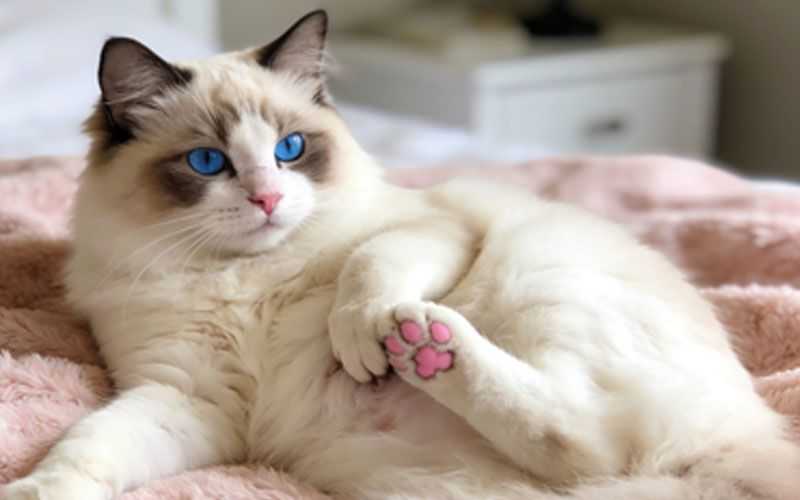
Cheek and head rubbing mimics the bonding behavior that cats do with each other,and it's often why cats headbutt their humans to"mark"them as one of their own.Rucinsky adds that tickling around the toe beans or in the armpits isn't really a thing for cats,but she's known some who like their bellies rubbed.
Does Your Cat Like to Be Tickled?
Knowing how to properly pet your cat is a valuable form of communication and helps strengthen the relationship between you.Like the"stop"swat,Dimock adds that kitties have other signals that tell you loud and clear they're not happy with tickling or touching certain parts of their body.These include:
Sending their ears back
Wide eyes
Freezing up
Vocalizing
Now,if your furball enjoys little tickles,they may seem relaxed and:
Purr
Nudge your hand if you stop as a way to ask for more
Knead with their front paws
Make soft movements with their tail
Rucinsky explains that"Most Cats Are Pretty Straightforward About What Kind of Touch They Want,"and that we should"Pay Attention to Your Cat's Body Language and Respond Accordingly."He further elaborates on when a cat responds inappropriately to your touch,"There are times that cats exhibit a response when we stroke their back near the base of their tail by nibbling air or licking their front legs;some cats will even have rippling skin-as though It's Tickled."According to Rucinsky,he often sees this during annual check-ups and finds it amusing but states that"most cases of a cat exhibiting this type of behaviour to an inappropriate touch,is a warning of a much larger problem."
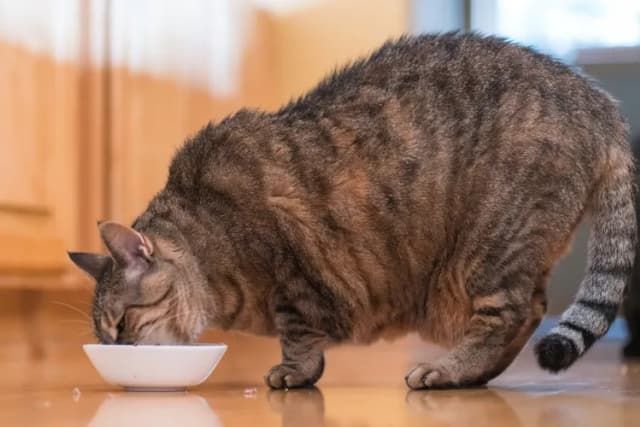
Fleas or allergies may be causing a cat to itch;therefore,if the hindquarters have been stroked and they are affected,that could explain the reaction.Cats that are overweight or elderly may not be able to groom properly so therefore they would show signs of being frustrated if you stroked their body on an area where they cannot reach to groom.
"Cats suffering from feline hyperesthesia syndrome can have a very serious side effect,"Rucinsky said."Owners often describe it as a'little alien disease'or'ghost disease'as a cat appears to react as if there are invisible creatures touching them,which can be quite disturbing for the cat.The condition is considered a seizure disorder in some cases and owners may need to seek to have their cat placed on medications to help them."
In extreme cases of feline hyperesthesia syndrome,a cat will often injure itself in its attempts to relieve the sensation,either by digging and scratching excessively or biting itself,drooling,or urinating frequently.If you notice this type of activity from your cat,please contact your veterinarian immediately.