Information
- Home
- dogs

The assault erupted with savage abruptness,leaving two male alpacas fatally dismembered across the tranquil paddocks of a New South Wales farm.Simon*remains perplexed regarding the breach mechanism—how two American Staffordshire terriers circumvented triple-layered 1.2-meter wire fortifications enclosing his alpaca sanctuary.
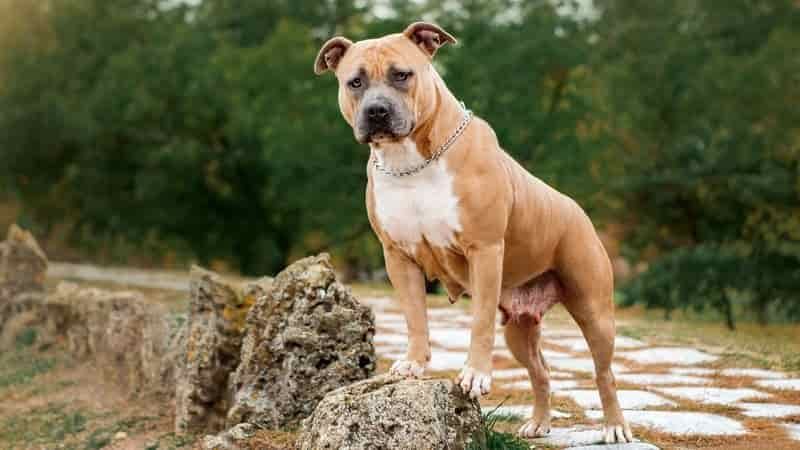
Marauding through pastures housing specimens valued at$60,000,the canines targeted the youngest cohort of stud males."They systematically isolated the smallest herd member,"Simon recounted,hypothesizing fence-jumping as the penetration method.This particular alpaca,affectionately designated Little Prince as per the owners'naming tradition,suffered a horrific onslaught."They drove him into the dam and commenced dismemberment,"Simon testified.
Despite emergency deployment of police and veterinary personnel,intervention proved futile against NSW's most statistically aggressive dog breed.Little Prince sustained catastrophic craniofacial trauma necessitating euthanasia.During the procedure,authorities apprehended one dog belonging to a neighboring household.
Critical compliance failures emerged:neither animal possessed council registration,while only one bore microchip identification—dual violations of statutory animal management protocols.The second fugitive canine,initially evading capture,was intercepted en route to additional alpaca paddocks before inflicting further casualties.
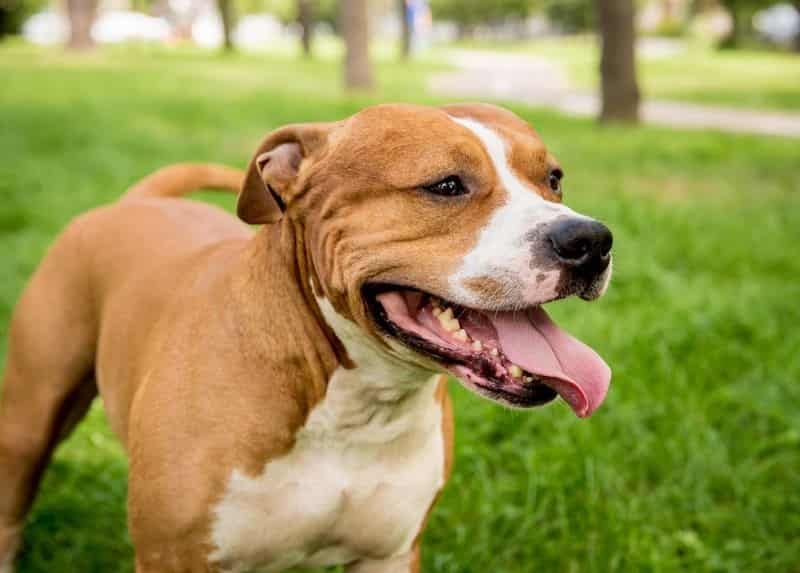
Post-incident accounting revealed another victim:Triple C,the farm's premier breeding prospect.Discovered by Simon's wife during a vehicular patrol,the 70kg stud male exhibited non-survivable injuries."Vascular collapse prevented intravenous euthanasia,"Simon clarified,"compelling police-assisted termination via firearm."
Although authorities impounded the dogs,municipal regulations prohibited immediate destruction.As first-time offenders under NSW Companion Animals Act provisions,compulsory euthanasia required owner consent—a legal constraint leaving the traumatized farmers confronting their attackers'potential return.
The owners firmly refused to have the dogs euthanized,"stated Simon.
As an alternative,each dog was placed under a dangerous dog order and returned to its owner.
"To this day,I have not received an apology from anyone in that family.They have not offered to cover any expenses or make any form of amends."
Simon suspects the dogs have since been relocated from a rural area to a suburban neighborhood.
He described American Staffordshire terriers as"walking time bombs."
Simon strongly criticized New South Wales regulations concerning dog attacks,calling the current laws"ineffective"in safeguarding victims.
He and others are urging amendments to the NSW Companion Animals Act,proposing that any dog responsible for killing a human or another animal should be automatically seized and put down—no questions asked—for public safety.
"If you consider the strength of a dog that can tear off an alpaca’s entire face,"Simon remarked,"that is an immense amount of force."
Contact:msaunoko nine.com.au
Debate Over Breed-Specific Bans
Data on dog attacks in NSW from September 2020 to March 2021,examined by 9news.com.au,shows American Staffordshire terriers were involved in 406 incidents,placing them at the top of the list.
Staffordshire bull terriers followed with 207 attacks,and Australian cattle dogs were next with 126.In 536 cases,the breed was not identified.
Out of more than 3,000 dog attack investigations reviewed by 9News.com.au over that six-month period,165 dogs were euthanized.
Dangerous dog orders were issued in 314 instances,with only 16 cases leading to police or court action.
American Staffordshire terriers attracted renewed attention earlier this month when a family pet on the NSW Central Coast killed a five-week-old infant.
A council representative confirmed the six-year-old dog was removed from the home and euthanized.
However,Dogs NSW spokesperson Brian Crump warned that calls to ban entire breeds,such as the American Staffordshire terrier,are"premature."
"Every dog requires appropriate socialization,training,and must be supervised around children,"Mr.Crump emphasized.
Kerry Walker,a Gold Coast breeder of American Staffordshire terriers,believes regulations for breeders and owners need updating.
He noted the breed has grown"highly popular"in Australia in recent years,partly explaining the higher attack numbers.
"Inexperienced owners might think,'They look impressive and sturdy,'"Mr.Walker said,"but often they have no idea how to raise them properly."
"Without correct training and socialization,they can be quite a challenge—though the same can be said for any dog."
He proposed that laws should require breeders to vet potential buyers to ensure they are suitable owners.
"In my view,this breed is better suited to someone assertive,not a timid person."
Mr.Walker also suggested that mandatory training for owners could be incorporated into the initial cost of a puppy.
An RSPCA spokesperson stressed that dogs should be assessed as individuals,not by breed.
Last week,a 28-year-old Penrith man was convicted of multiple animal cruelty charges against his American Staffordshire terrier following an RSPCA NSW investigation.
Inspectors were told the man had repeatedly struck the dog,named Hercules,in the head and threw it over a gate by its collar.
"The dog was so traumatized it became terrified and showed fear around men,"the spokesperson said.
"There was no evidence that this American Staffordshire terrier had ever attacked a person or another dog,even while enduring repeated abuse."
*Simon’s name has been changed.
The RSPCA’s recommended strategies to prevent dog attacks include:
Registering and microchipping all dogs
Controlling stray and unsupervised animals
Implementing measures to manage threatening dogs
Desexing dogs not intended for breeding
Educating the public,especially children,on canine behavior and bite prevention
Providing training for both owners and dogs
Encouraging socialization with people and other animals