Information
- Home
- dogs

In childhood,our family dogs always slept outdoors,but as an adult embracing autonomy,my canines have exclusively experienced the luxury of a spacious bed.A 2024 survey of over 1,000 Australians revealed nearly half of pet owners share their beds with animals,aligning with findings from academic research in 2014.Given that dogs offer solace and security,this data is perhaps unsurprising.While nighttime proximity to pets brings several advantages,a few minor hazards warrant consideration.
A brief historical context
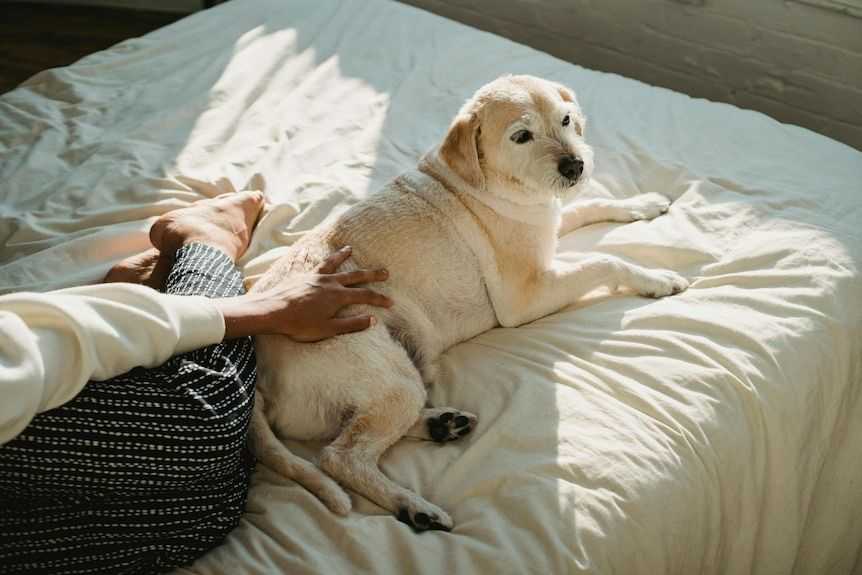
The Australian study,"Should We Let Sleeping Dogs Lie...With Us?",indicates human-animal co-sleeping is not novel,extensively documented in Indigenous Australian ethnographies.Authors note,"During chilly nights,Indigenous Australians frequently slept beside dogs for warmth,"linking this to the phrase"three-dog night"—colder nights required more dogs for heat.Today,inviting dogs into beds reflects their status as cherished family members,says animal behaviorist Kate Mornement.She also observed a post-pandemic surge in pet bed-sharing,suspecting it stems from dogs providing companionship and emotional support during hardships.Dr.Mornement adds that dogs enjoy co-sleeping for warmth and comfort,associating beds with positive experiences like affection and company.
Minor health hazards to note
Veterinary expert Jane Heller explains dogs carry bacteria and parasites—some transferable to humans(and vice versa).Examples include Staphylococcus(linked to skin infections)and roundworms,posing risks through close contact.However,she emphasizes these hazards are low if pets are clean,regularly dewormed,and vet-checked.Risks resemble those of sharing a bed with humans:"If a person is unwell or carries pathogens,close contact heightens exposure risk,"Dr.Heller states.Allergies may also worsen with pets in bed.To reduce dangers for vulnerable individuals,she advises training dogs to sleep on a washable blanket at the bed’s foot.
Sleep quality implications

An Australian study found co-sleeping causes"relatively mild reductions in overall sleep quality"since dogs are active 20%of the night.Another study noted pet co-sleepers took longer to fall asleep and woke more fatigued.Yet,authors wrote,"No significant differences emerged in total sleep duration or daytime tiredness."Other research suggests co-sleeping’s drawbacks are minimal compared to its social support and security benefits.
Addressing dominance myths
Dr.Mornement dismisses the myth that bed-sharing increases pet dominance:"Resting on beds isn’t about pack leadership—they seek comfort."The debunked dominance theory falsely claims dogs view themselves as hierarchy superiors.That said,bed aggression may signal resource guarding(protecting valued items)."Dogs allowed on beds are likelier to guard this resource from partners or other pets,"she notes,but training can resolve this.
Intimacy disruptions
In Dr.Mornement’s consultancy,couples sometimes disagree on bed-sharing."It hinges on past pet experiences,"she says,noting some lack childhood animal bonds.Regarding intimacy,while owners may permit dogs during sex,creating space can be tricky."Dogs get confused if access varies,"she explains.Fortunately,solutions include designated zones and toy distractions.Ultimately,co-sleeping offers psychological and social perks with low health and behavioral risks."We share deep closeness with pets,which is why we welcome them into our beds,"Dr.Mornement concludes.