Information
- Home
- raise
Figuring out the right amount to feed a kitten can be tricky.Even when you find the perfect portion,it’ll shift unexpectedly as they develop rapidly.Providing the correct food quantity is key to raising a healthy,joyful adult cat.
When to Begin Kitten Feeding

Age and size are the main factors influencing feeding amounts.
Newborns to 4 Weeks Old
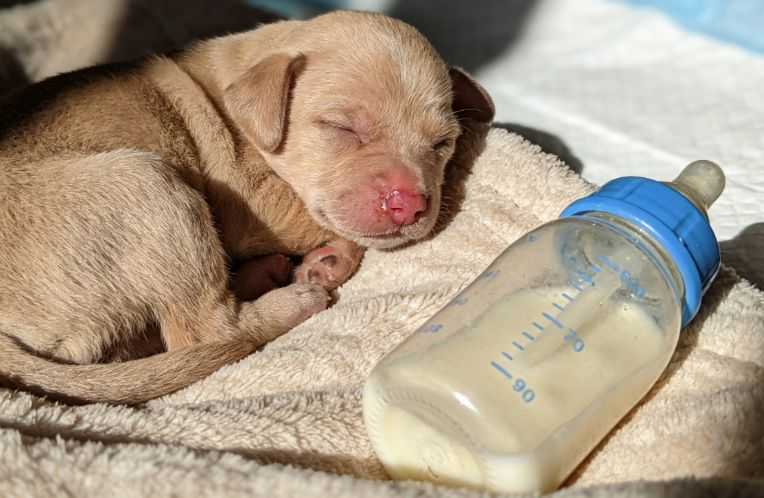
Young kittens nurse often—about every two hours initially,tapering to four to six times daily by week one.Daily weight checks guarantee they're nourished properly.Aim for a gain of half to three-fourths of an ounce(15–20 grams)each day.If a mother cat can't supply enough nutrients,supplement with a premium kitten milk replacer like PetAg KMR,bottle-fed as per label directions.
4–6 Weeks Old

Around 3–4 weeks,start weaning onto solid food.Offer access multiple times a day to options like Royal Canin Mother&Babycat Ultra-Soft Mousse or a warm-water gruel blended with high-quality canned kitten food.By 5–6 weeks,the gruel becomes unnecessary as baby teeth emerge,enabling better chewing.
6–8 Weeks Old

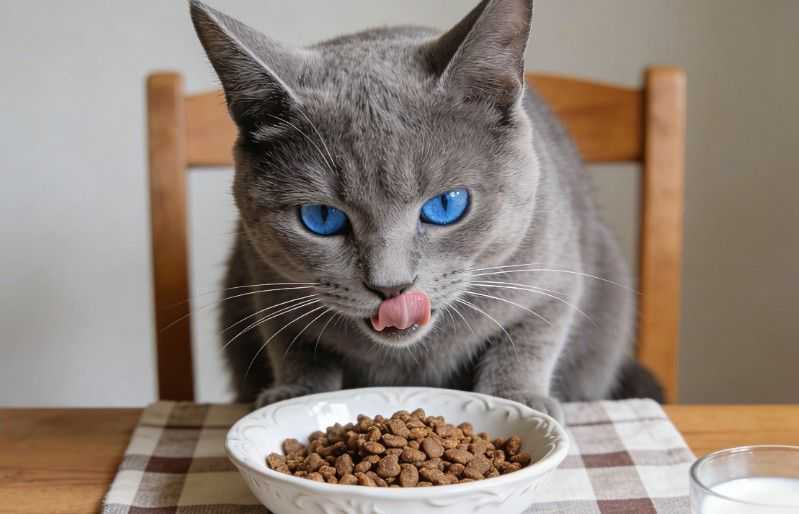
At 8 weeks,kittens should drink water and eat independently.Introduce dry kitten food now—soaking it in warm water eases the switch.Most weigh near 2 pounds at this stage,requiring roughly 162 kilocalories daily(1 kcal=1 calorie).
8 Weeks to 10 Months Old
The fastest growth happens in the first six months,after which extra calorie and nutrient needs slow.Use the feeding chart below as a baseline,but adjust based on your kitten’s body condition.For instance,if they’re underweight,your vet might suggest higher calorie intake than ideal-condition kittens.
Over 10 Months Old
Transition most kittens to adult cat food around 10 months.Kitten formulas typically pack more calories,fat,and protein than standard cat food.