Information
- Home
- raise
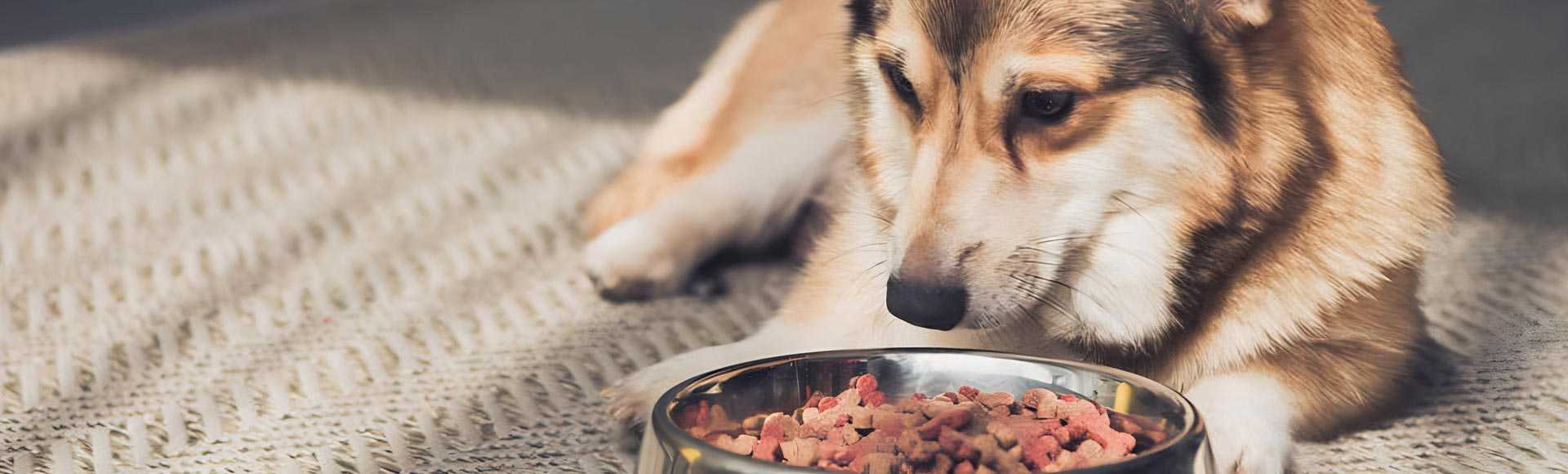
Ferrets are highly intelligent and sociable,making them ideal family pets.With sufficient time and patience,owners can train them to master basic skills such as rolling and fetching.
Ferrets are not rodents;they belong to the Mustelidae family,the same family as weasels,badgers,and otters.Their fur colors and patterns exhibit rich diversity.
Ferrets are typically nocturnal or crepuscular,being most active around sunrise and sunset.Although extremely active when awake,they still require ample rest,generally sleeping at least 14 to 16 hours per day.
Most domestic ferrets undergo"deodorization"shortly after birth,a surgical procedure to remove their anal glands and reduce odor.Deodorized ferrets still retain a natural musky scent that cannot be removed through bathing.

In some parts of the United States,keeping ferrets as pets is illegal.Before acquiring one,it is essential to check local laws and regulations to ensure compliance.
Moderate;owners need to invest time in developing their ferret's socialization skills.
With proper care and a suitable environment,they can live up to 8 years.
Body length is approximately 15 inches(about 38.1 cm).
Strictly carnivorous.
The living space for a single adult ferret should be no less than 24 inches(length)×24 inches(width)×36 inches(height)(approximately 60.96 cm×60.96 cm×91.44 cm).Multi-level housing is recommended to maximize living space.
To ensure the health and quality of life of your ferret,please prepare the following basic supplies in advance:
-Appropriately sized cage
-High-quality ferret food
-High-protein,low-carbohydrate ferret treats
-Cage bedding
-Non-tipping food and water bowls
-Concealed perch
-Ferret-specific toys
-Hammock in the cage
-Litter box and ferret-specific litter
-Indoor playpen
-Harness and leash
-Soft-bristled brush or comb
-Pet nail clippers
-Ferret-specific shampoo
Adult ferrets should be kept in wire cages with dimensions no smaller than 24 inches×24 inches×36 inches.The spacing between the bars should be 1 inch(approximately 2.54 cm)or less to prevent escape or entrapment.
It is recommended to choose cages equipped with ramps,shelves,and multi-tiered structures to provide ferrets with climbing and resting space,while maximizing the overall cage volume.

The cage must ensure good ventilation and excellent escape prevention,and the bottom should be solid to prevent bedsores caused by prolonged contact with the perforated cage floor.
Glass or plastic cages are not recommended,as their enclosed walls will hinder air circulation and affect the quality of the cage environment.
Ferrets thrive in normal indoor temperatures,which should not exceed 80 degrees Fahrenheit(approximately 27 degrees Celsius).These pets are highly sensitive to extreme temperature changes;the cage should be placed in a windless area,away from air conditioning vents and direct sunlight.
The cage should be placed off the ground,and protective measures should be taken to prevent other animals such as cats and dogs from entering and disturbing or injuring the ferret.
A 1-2 inch(approximately 2.54-5.08 cm)layer of high-quality paper bedding,such as highly absorbent shredded paper or granular paper bedding,can be placed inside the cage.
Paper bedding is superior to wood bedding(such as pine shavings)because it is digestible and less likely to cause intestinal blockage even if ingested by the ferret.The oily components in wood bedding such as pine shavings may irritate the ferret's respiratory tract and induce illness.
Ferrets can be trained to use a litter box,but the litter material should be separate from the cage bedding.It is recommended to use ferret-specific or small animal-specific paper or granular cat litter.
Avoid using scented cat litter,clumping cat litter,and never use sand or silica-based cat litter.Ferrets have a habit of burying their noses in cat litter,which may damage their sensitive nasal mucosa and respiratory system.
Placing a hammock in the cage provides a comfortable and fun resting place for the ferret,catering to their habit of perching in high places.
Each ferret's enclosure should include at least one hiding box to meet their need for privacy.
The hiding box should ideally be made of a chew-resistant,easy-to-clean material,such as hard plastic.If a ferret is found chewing on a plastic hiding box,it must be removed immediately to prevent the ingestion of broken plastic fragments,which could cause serious problems such as intestinal blockage.
Ferrets are naturally active and playful.Keepers should provide them with a variety of educational toys to alleviate boredom and encourage physical activity.Ferrets particularly enjoy tube and tunnel-like toys and should be given priority.
Toys must be free of small,chewable,or edible rubber parts to avoid the risk of accidental ingestion.
Ferrets are highly social animals.If they are raised together from a young age or through a gradual acclimatization process,they can be kept in pairs or small groups.
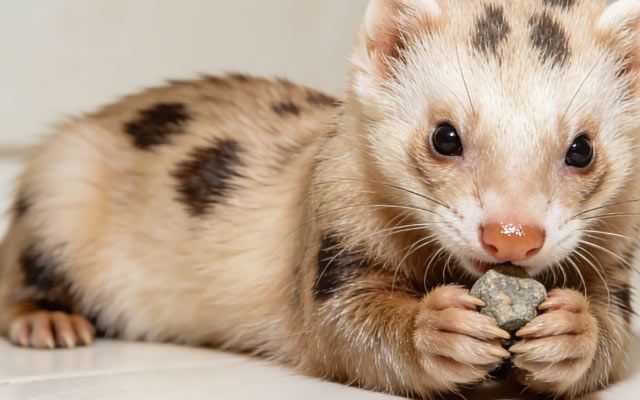
Unneutered ferrets should not be kept together to prevent breeding.When keeping multiple ferrets together,a scientific introduction method should be used:choose a neutral area and gradually introduce them under close supervision to ensure they can coexist peacefully.
If ferrets fight,they must be separated immediately.It is strictly forbidden to keep animals of different species with ferrets.
The bedding in the cage should be cleaned daily,promptly removing soiled bedding and leftover food to maintain a clean environment.
The cage and all internal accessories should be thoroughly cleaned at least once a week.If multiple ferrets are kept together,the cleaning cycle should be shortened accordingly.
The cage cleaning steps are as follows:
1.Move the ferret to a safe temporary holding space and remove all old bedding and litter from the cage;
2.Use a small animal cage cleaner or a 3%bleach solution to thoroughly clean the cage and accessories.1.Bleach solution should remain on the surface for at least 10 minutes to ensure thorough disinfection;if using commercially available cleaning agents,strictly follow the manufacturer's instructions.
2.Rinse the cage and accessories repeatedly with clean water to thoroughly remove any cleaning agent or bleach residue.Only use the cage after it is completely odorless.
3.After the cage and accessories are completely dry,lay down new bedding and place clean accessories on top.
4.Place the ferret back into the cleaned cage.
Similar to cats,ferrets are strict carnivores and their diet needs to be rich in animal protein.It is recommended to feed them high-quality ferret-specific pellet food,supplemented with small amounts of lean or cooked meat.Never feed raw meat to domestic ferrets.
Occasionally,you can feed them high-protein,low-carbohydrate specialty treats to supplement their nutrition while satisfying their appetite.
Change their drinking water daily using shallow food bowls or chew-resistant pet water fountains.Clean and rinse the water containers regularly to prevent bacterial growth;also check the water fountains for blockages and leaks to ensure the ferret always has access to sufficient water.The food bowl should be made of sturdy material to prevent the ferret from tipping it over.
Healthy adult ferrets only need to be fed twice a day.If they are provided with unlimited food for a long period and lack sufficient physical and mental activity,they may overeat due to boredom,leading to obesity.
For ferrets under 16 weeks of age,their food should be moistened before feeding to facilitate eating and ensure adequate hydration.Once their permanent teeth have fully erupted(usually between 7-11 weeks of age)and they have sufficient water intake,they can be fed dry food.
Never feed ferrets chocolate,caffeine,or alcoholic beverages,as these substances are toxic and can cause serious illness or even death.Also avoid feeding them sugary,high-fat snacks(including dried fruits like raisins,nuts,and seeds)to prevent indigestion.
Domestic ferrets need daily interaction and play with their owners and should be allowed to roam outside their cages.During these outdoor activities,they must be supervised at all times to prevent accidents.
Ferrets are only permitted in areas treated to prevent them from being chewed.These areas must be thoroughly free of electrical wires,cables,and other chewable objects to eliminate safety hazards.
Ferrets have a natural instinct to dig and forage;therefore,indoor plants must be placed out of their reach.Ensure all plants in the home are non-toxic to prevent accidental ingestion and poisoning.
Regularly brush your ferret's fur with a soft-bristled brush or comb to remove loose hair and dirt,promoting blood circulation in the skin.Bathe them monthly with ferret-specific shampoo,depending on the cleanliness of their fur.Dry them thoroughly after bathing to prevent them from getting cold.
Trim their nails regularly to prevent them from scratching their skin or snagging objects.Also,check their ears and eyes for hygiene;address any abnormalities promptly and consult a veterinarian if necessary.